DNK International
 By Our Reporter,Nairobi.
The Kenya Urban Roads Authority (KURA) is steadily redefining the face of urban mobility across the country with Nairobi becoming a critical area of concern both to the national government and the County Government.
Over the past few years, KURA has spearheaded the construction and rehabilitation of key urban roads, significantly easing traffic congestion and improving connectivity.
In cities such as Nairobi, residents are already experiencing the benefits of smoother commute and reduced travel times thanks to newly completed link roads and expanded carriageways.
KURA’s impact goes beyond just roads.
The authority has embraced a holistic approach to urban infrastructure by incorporating pedestrian walkways, cycling lanes, and proper drainage systems into its projects.
These improvements have not only enhanced safety for all road users but also contributed to cleaner and more organized urban environments.
A major boost to these efforts has come through a landmark cooperation framework between the Nairobi City County Government and the Government of Kenya, aimed at accelerating grassroots development through road infrastructure.
At the heart of this collaboration is the ambitious “One Kilometre Per Ward” road project, which targets all 85 wards within Nairobi County.
Under this initiative, each ward is set to benefit from at least one kilometre of newly constructed or upgraded road, a move designed to ensure equitable distribution of infrastructure across both developed and previously neglected areas.
The project is already being hailed as a game changer.
By decentralizing road development, the initiative directly addresses long-standing disparities between neighborhoods.
From informal settlements to emerging estates, communities are witnessing tangible improvements in accessibility, safety, and economic activity.
Despite these gains, the need for KURA’s intervention remains critical.
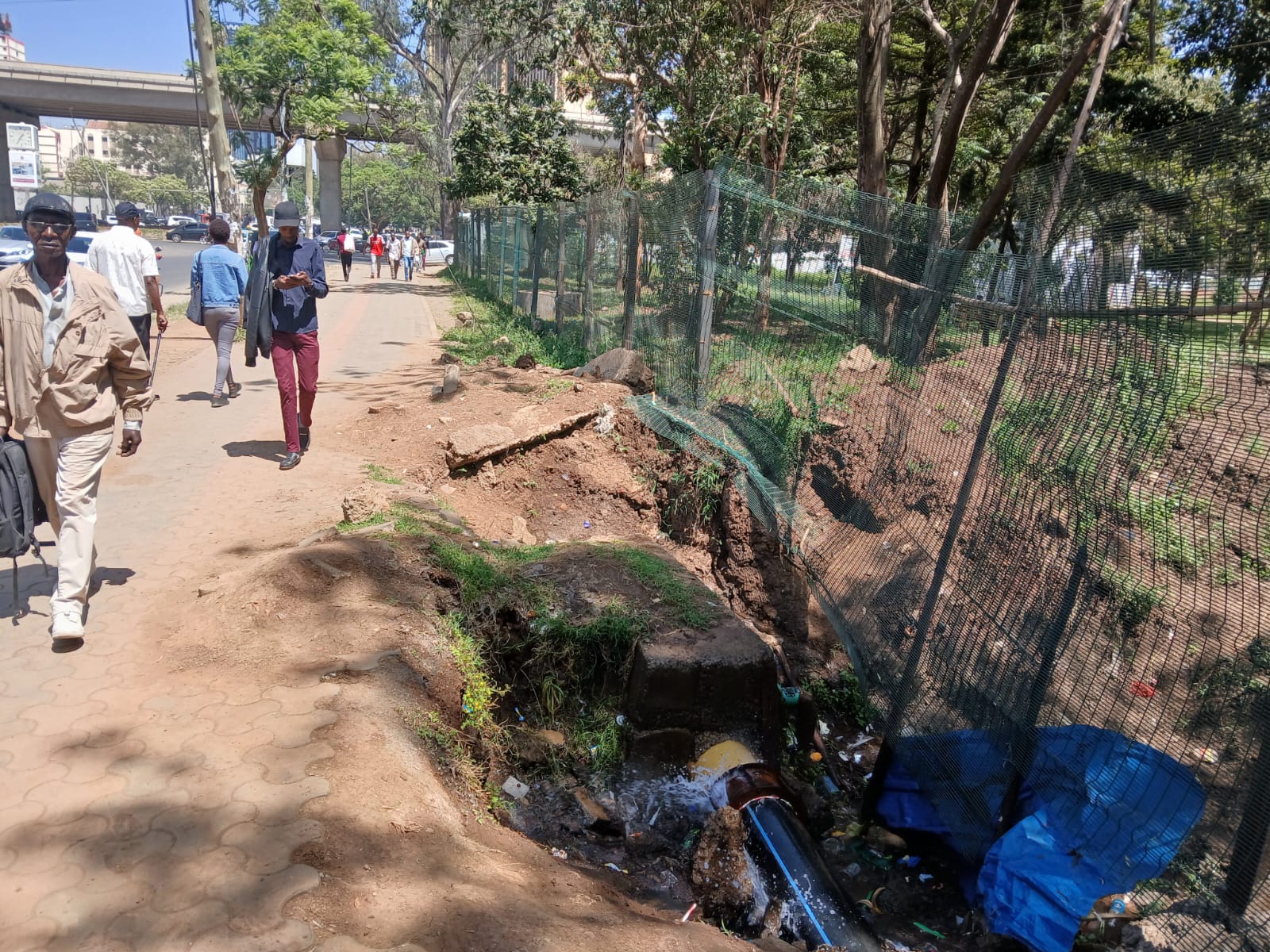
Recent assessments and public complaints have highlighted that sections of Nairobi’s road network still face significant challenges, including potholes, poor drainage, and aging infrastructure.
In some areas such as Kilimani, Upper Hill, and roads linking Jogoo Road to Landhies Road, deteriorating surfaces and flooding have been reported, with blocked or inadequate drainage systems worsening the situation especially during rainy seasons.
Experts note that these challenges are not isolated but stem from deeper structural issues.
Rapid urbanization, population pressure, and increased vehicle usage have overwhelmed road networks originally designed for far less traffic.
In fact, Nairobi’s congestion problem is so severe that commuters can take up to two hours to travel just 15 kilometres, with traffic costing the economy hundreds of millions annually.
Additionally, factors such as delayed maintenance, overloading by heavy vehicles, and aging road surfaces have contributed to faster deterioration.
Heavy rains have further exposed weaknesses in drainage systems, leading to widespread potholes and road damage.
It is within this context that KURA’s role becomes indispensable.
As mandated under Kenyan law, the authority is responsible for constructing, upgrading, rehabilitating, and maintaining urban roads across cities and municipalities.
Through ongoing rehabilitation works, such as major road upgrades, drainage improvements, and traffic circulation projects, KURA is actively addressing these long-standing challenges.
Projects like the planned upgrade of key corridors—including high-capacity roads linking the CBD—are designed to ease congestion and improve traffic flow across the city.
Moreover, KURA’s interventions are increasingly forward-looking.
From integrating intelligent transport systems to improving pedestrian safety through footbridges and walkways, the authority is moving beyond traditional road construction to building smarter, more resilient urban infrastructure.
The authority’s ongoing works, though sometimes causing temporary disruptions, signal a broader commitment to long-term solutions.
Rehabilitation projects across major roads demonstrate a proactive approach to restoring Nairobi’s road network to modern standards.
The cooperation between national and county governments, combined with KURA’s technical expertise, is laying the foundation for a more balanced and inclusive urban transport system.
The “One Kilometre Per Ward” initiative, in particular, ensures that development is not confined to major highways but reaches the heart of communities.
As Nairobi continues to grow into a regional economic hub, the importance of reliable urban roads cannot be overstated.
Efficient transport networks are key to productivity, safety, and overall quality of life.
Through sustained investment, strategic planning, and collaborative governance, KURA is proving to be a cornerstone institution in Kenya’s urban transformation journey.
Ultimately, while challenges remain, the authority’s expanding footprint offers a clear message: Nairobi’s road future is not just being repaired—it is being reimagined.
[DNK-International@April 4,2026]