DNK International
 By Xavier Lugaga,Nairobi
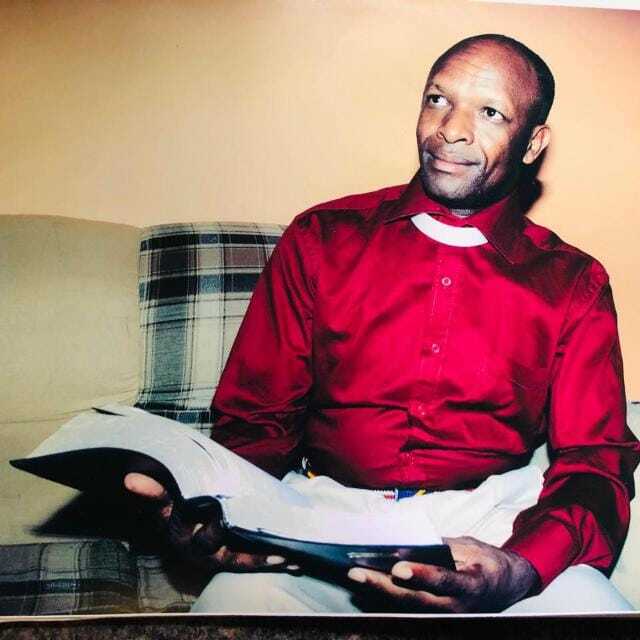
The story of James Mugoya Isabirye is one of intellect, ambition, political proximity, and enduring controversy.
His is a journey that begins in rural Eastern Uganda and stretches into the heart of Nairobi’s skyline, where his legacy remains cast in steel and concrete.
He was born in 1950 and was raised in modest circumstances but quickly distinguished himself academically, passing through Bulyansime Primary School and Iganga Boys before earning a place at the prestigious King’s College Budo an institution known for producing East Africa’s elite.
His academic excellence opened doors beyond Uganda’s borders, leading him to the University of Nairobi, where he pursued civil engineering at a time when the region was investing heavily in post independence infrastructure.

On October 26, 1971, he graduated in a ceremony presided over by the late former President Jomo Kenyatta, an early symbolic link between Mugoya and the Kenyan state he would later help build.
Shortly after graduation, Mugoya founded Mugoya Construction & Engineering Limited, entering a competitive but opportunity rich construction sector.
His timing coincided with Kenya’s push to modernize its infrastructure, and his technical expertise, combined with an ability to navigate corridors of power, propelled him into the upper ranks of government contractors.
Mugoya’s rise was closely associated with the era of the second President Daniel arap Moi, during which large scale state projects became central to national development and critics argue, to patronage networks.
He was widely believed to enjoy close links within influential political circles, a factor that accelerated his access to lucrative tenders.
By the late 1980’s and early 1990’s, his company had secured major contracts, including projects linked to the National Social Security Fund and housing developments such as Hazina Estate.
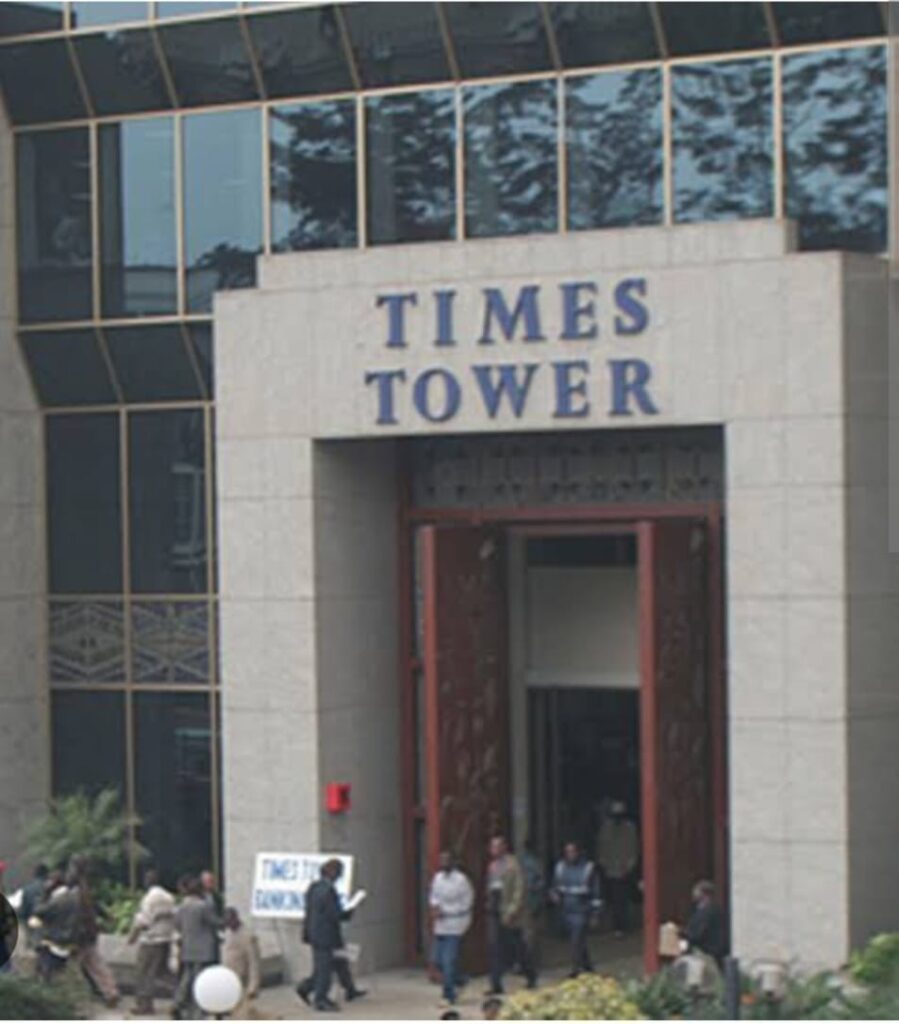
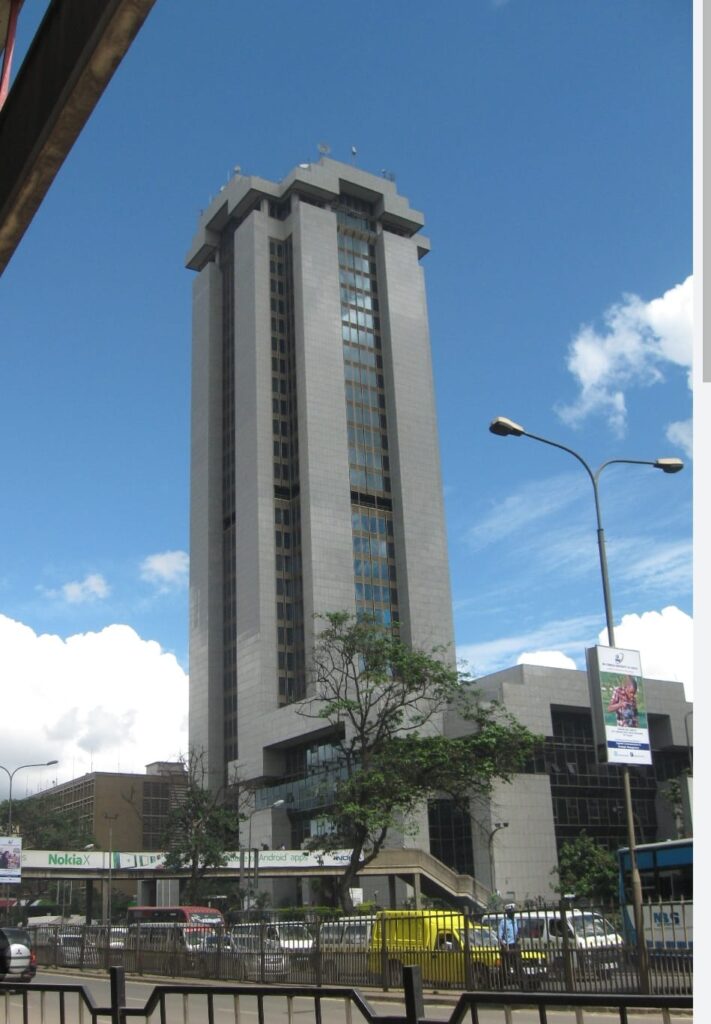
His defining achievement came in 1992 when he won the tender to construct Times Tower, a 40 storey landmark financed by the Central Bank of Kenya.
At the time, it ranked among the tallest buildings in Kenya and symbolized the country’s economic aspirations.
The project cemented Mugoya’s reputation as one of the few contractors capable of executing complex, high value government developments.
His footprint extended beyond commercial buildings into education and institutional infrastructure.
Mugoya is credited with constructing Moi High School Kabarak and Kabarak University, institutions closely associated with President Moi’s legacy, as well as key administrative buildings in Kisumu.
These projects reinforced his image as a builder not just of structures, but of institutions tied to Kenya’s political and social fabric.
Despite his success, Mugoya’s career has been marked by controversy, particularly surrounding procurement processes and stalled developments.
One of the most prominent disputes emerged in 1995 when the National Social Security Fund awarded his company a contract to develop a 265 unit housing project in Karen.
The project failed to take off due to planning approval issues with the Nairobi City Council, triggering a protracted legal battle that lasted nearly two decades.
In 2012, Mugoya accepted an out of court settlement of Sh342 million far below his initial claim of Sh633 million highlighting the financial risks and bureaucratic challenges that often accompany public sector contracts in Kenya.
Beyond construction, Mugoya’s influence reportedly extended into regional business networks across East Africa, with interests believed to span real estate, consultancy, and infrastructure development.
Though he maintained a relatively low public profile compared to other tycoons of his era, his name frequently surfaced in discussions about wealth accumulation, state contracts, and the blurred boundaries between business and political power during the Moi years.
Questions have occasionally been raised about transparency, cost variations in major projects, and the long term value delivered to taxpayers issues that continue to shape debates on governance in Kenya’s infrastructure sector.
Today, the legacy of James Mugoya Isabirye remains etched across Nairobi’s skyline and beyond.
Buildings like Times Tower still stand as enduring symbols of an era defined by rapid development and centralized decision making.
Yet his story also serves as a lens through which to examine the intersection of ambition, opportunity, and influence in East Africa’s post independence history a reminder that behind every towering structure lies a complex narrative of power, vision, and consequence.
Want to be featured? or have a personality want to know about him or her:
📞WhatsApp: ±2540703633820,±254754168624
✉️ Email: dailynewskenya0@gmail.com
🗓️ [DNK-International@April
6,2026]