DNK International
 By Our Reporter,Nairobi
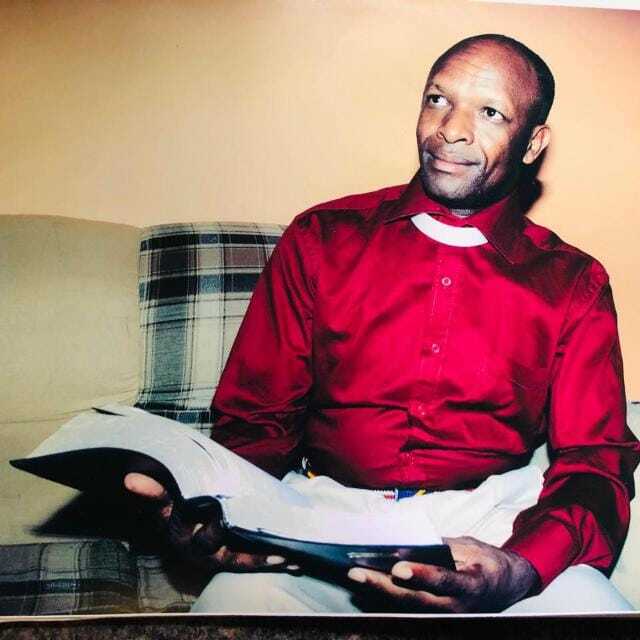
Appearing on Citizen TV Kenya on Saturday night, Dr. Joseph Musasizi,an advocate of the High Court of Kenya, a researcher, and an expert in international relations offered a detailed justification for Uganda’s decision to impose an internet shutdown during its election period.
Dr. Musasizi argued that the move was driven by national security and public interest considerations, particularly in the context of the evolving political dynamics across East Africa.
He highlighted the rapid rise of Generation Z as a politically active demographic, noting that this group relies heavily on social media platforms as its primary source of information and political engagement.
According to Dr. Musasizi, while social media has played a transformative role in democratic participation, it has also become a powerful tool for the spread of misinformation, disinformation, and propaganda.
He asserted that during sensitive periods such as elections, unchecked digital narratives can distort public perception, inflame tensions, and undermine state institutions.
Drawing comparative examples from Kenya and Tanzania, Dr. Musasizi explained how social media has, in previous electoral cycles, been used to circulate propaganda and polarizing content capable of destabilizing national cohesion.
He emphasized that such digital influence campaigns often operate beyond regulatory oversight, making them particularly dangerous during politically volatile moments.
“For the greater good of the country, an internet shutdown may at times be necessary,” Dr. Musasizi stated, stressing that such measures are not intended to suppress democratic rights but to safeguard national stability and public order.
Speaking from a legal standpoint, Dr. Musasizi acknowledged that access to information is a fundamental human right.
However, he underscored that no right is absolute.
As an advocate of the High Court of Kenya, he explained that constitutional frameworks across the region recognize lawful limitations on rights when public interest, security, or morality are at stake.
In the Ugandan context, Dr. Musasizi cited the 1995 Constitution, particularly Chapter Four, Article 43, which provides for general limitations on fundamental rights and freedoms.
This article permits the restriction of certain rights where such limitations are demonstrably justifiable in a free and democratic society, and where they are necessary to protect the rights of others or the broader interests of the nation.
[DNK-International@January 18,2026]