DNK International
 By Our Reporter,Nairobi.
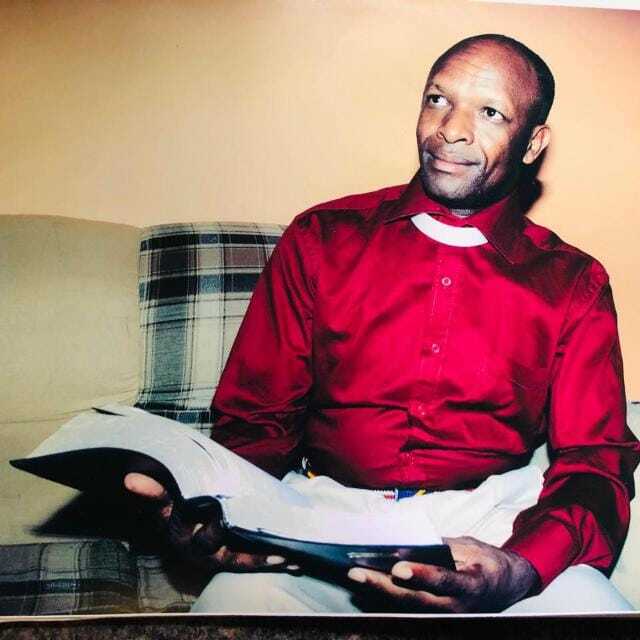
Albert Karakacha, the current chairman of the Matatu Owners Association (MOA), has emerged as one of the most influential and combative voices in Kenya’s public transport sector.
He steers an industry that carries millions of commuters daily and supports hundreds of thousands of livelihoods.
While little is publicly documented about his formal education or professional training before joining the matatu business, Karakacha’s rise has been defined less by academic pedigree and more by long experience within the PSV industry and its often turbulent politics.
Before ascending to the top seat, Karakacha served in several leadership roles within the association, including as a national coordinator, positions that placed him at the centre of negotiations between matatu owners, regulators and government agencies.
In June 2023, he was elected MOA chairman, taking over from veteran leader Simon Kimutai, whose long tenure had shaped the association for more than two decades.
Karakacha’s election was widely viewed as a generational shift, reflecting growing pressure from members for a more confrontational and activist approach to long standing problems in the sector.
Since assuming office, Karakacha has become a familiar face at press briefings and protests, often speaking on behalf of tens of thousands of matatu owners organised through Saccos and route associations across the country.
His leadership has coincided with heightened tensions on Kenyan roads, including disputes with boda boda operators, concerns over vehicle torchings, insecurity, harassment and what owners describe as selective enforcement of transport regulations.
These pressures culminated in yesterday nationwide matatu strike, which Karakacha helped mobilise through MOA’s national network, effectively paralysing public transport in some major towns including the capital Nairobi.
He said the strike was prompted by what matatu owners viewed as persistent government inaction on security and enforcement issues despite repeated meetings and appeals.
In announcing the shutdown, Karakacha apologised to commuters but insisted that the action was necessary to protect both property and lives.
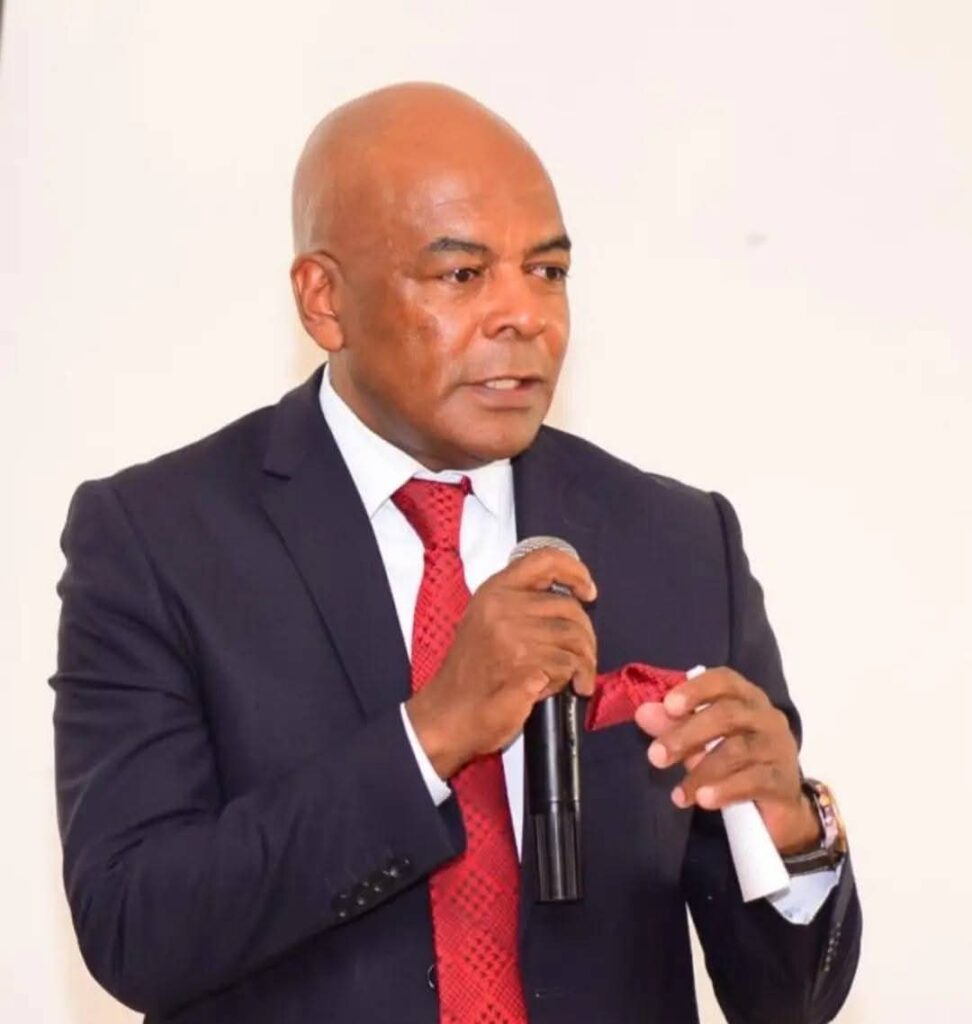
He later warned that similar protests would be held every Monday until meaningful engagement with the highest levels of government is achieved, signalling a willingness to sustain pressure through coordinated industrial action.
Beyond strikes, Karakacha has sought to position himself as a reformist voice within the PSV sector, calling for improved road safety, structured engagement with regulators such as the National Transport and Safety Authority , and discussions on modernisation, including cleaner and more efficient vehicles.
His tenure, however, has not been without controversy, with past legal troubles and sharp rhetoric attracting criticism even as supporters praise his readiness to confront authority.
Through his role at MOA and wider transport sector forums, Karakacha now wields significant influence over one of Kenya’s most politically sensitive industries.
His blunt remarks, insistence on collective action and ability to mobilise operators nationwide have made him a central figure in debates over transport policy, urban mobility and law enforcement.
Whether his confrontational style will translate into lasting reforms remains uncertain, but his impact on the matatu and PSV sector is already firmly etched into the country’s transport narrative.
Want to be featured? or have a personality want to know about him or her:
📞WhatsApp: 0703633820,0754168624
✉️ Email: dailynewskenya0@gmail.com
🗓️ [DNK-International@February 3,2026]