DNK International
 By Our Correspondent, Tehran
Late Friday night killing of Iran’s Supreme Leader, Ayatollah Ali Khamenei through coordinated strikes on Tehran by the United States and Israel has ignited alarm in Tehran,regional capitals and global markets.
Several high level sites in Tehran were targeted, with explosions near key government and military facilities.
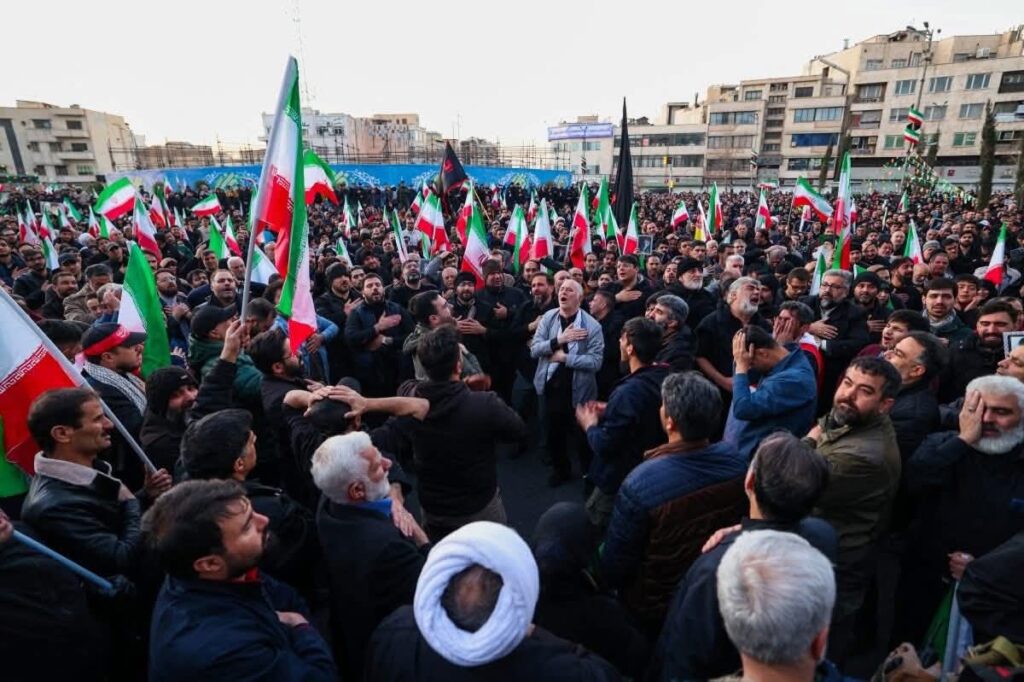
Sounds of sirens and heavy security activity in the capital was witnessed.
Ayatollah was born in 1939 in the holy city of Mashhad and he became Iran’s Supreme Leader in 1989, succeeding Ayatollah Ruhollah Khomeini, the founder of the Islamic Republic.
Over more than three decades, Khamenei maintained a powerful grip on both the religious and political structures of Iran, expanding the influence of the Islamic Revolutionary Guards Corps and shaping Iran’s foreign policy with a firm anti Western stance.
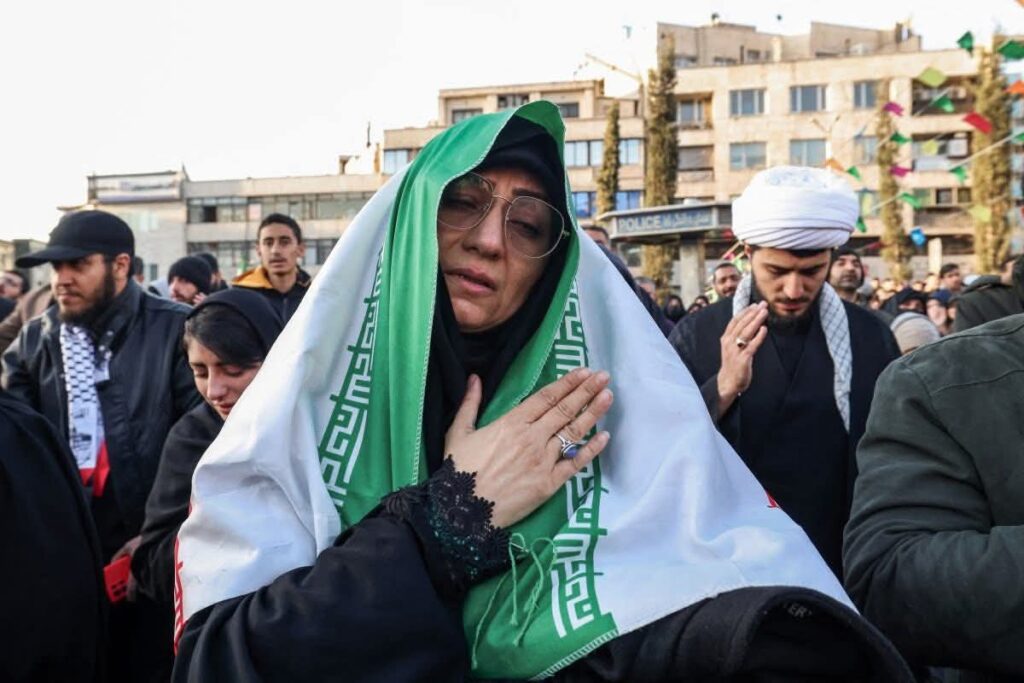
Under his leadership, Iran navigated multiple regional crises, including conflicts in Syria, Iraq, and Yemen, while facing decades of economic sanctions and international pressure.
His hardline positions toward Washington and Tel Aviv have made him a central figure in the Middle East’s geopolitical tensions.
Analysts warn that his killing could dramatically reshape the region.
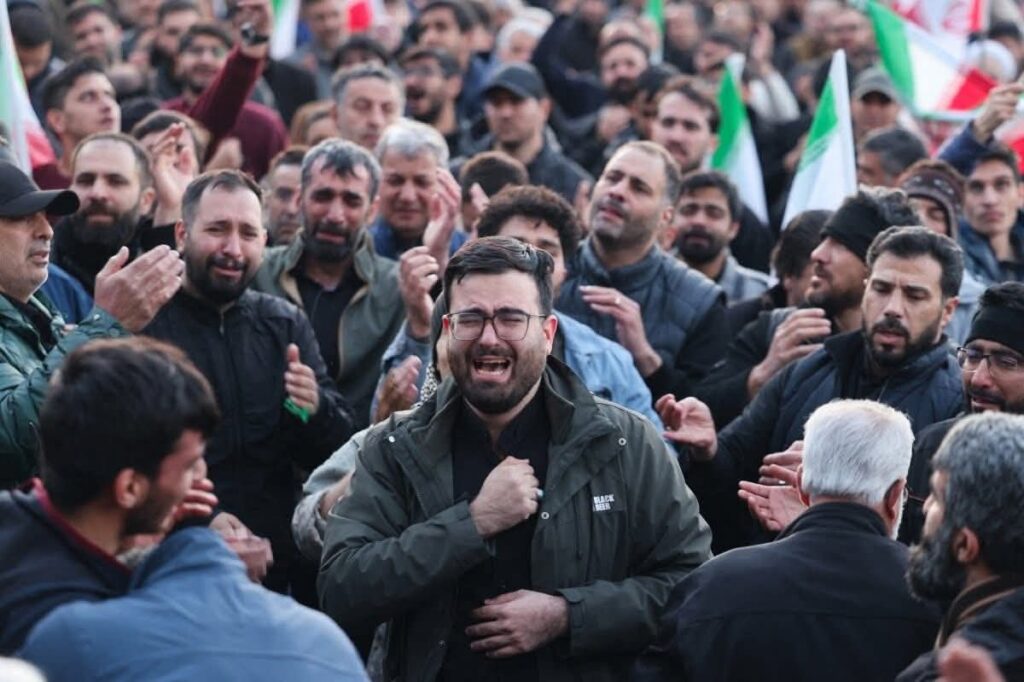
Iran’s political system relies heavily on centralized leadership, and sudden destabilization at the top could trigger internal power struggles within both the government and the Revolutionary Guards.
Neighboring countries which have also suffered air strikes and counter attacks are reportedly on high alert, with heightened security measures in capitals from Baghdad to Riyadh.
Global markets reacted immediately to the news, reflecting the uncertainty surrounding oil supplies and regional trade routes, before stabilizing as more information emerged.
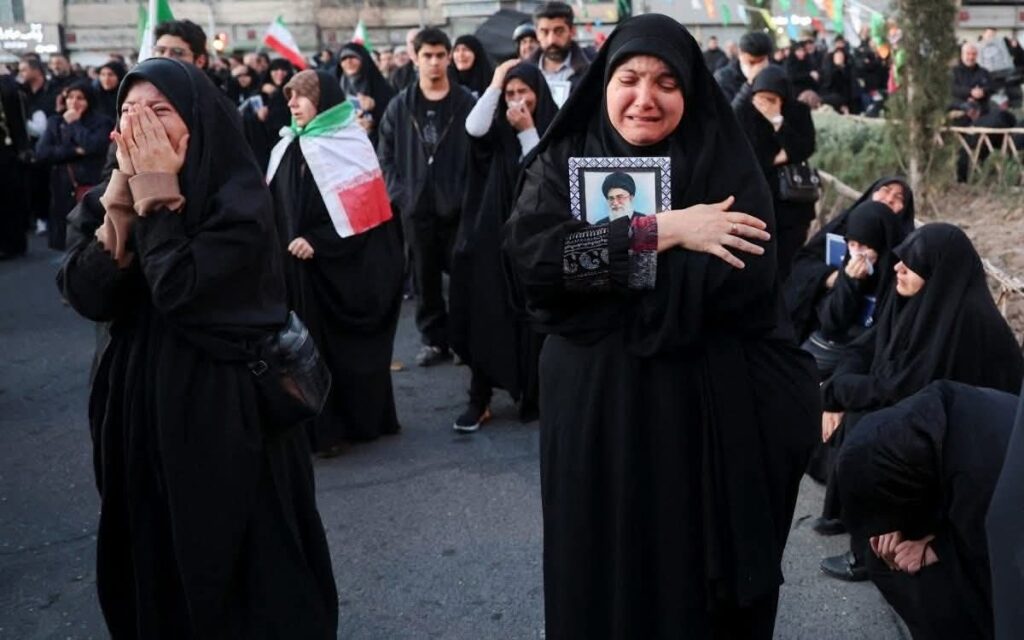
Experts note the psychological impact of such reports in modern conflicts, stating that even unconfirmed reports of a leader’s death can temporarily reshape perceptions, trigger panic, and influence strategic decisions.
World leaders have urged calm as they closely monitor potential repercussions, including retaliatory actions both regionally and globally.
Iranian military units have held emergency meetings within the Supreme National Security Council.
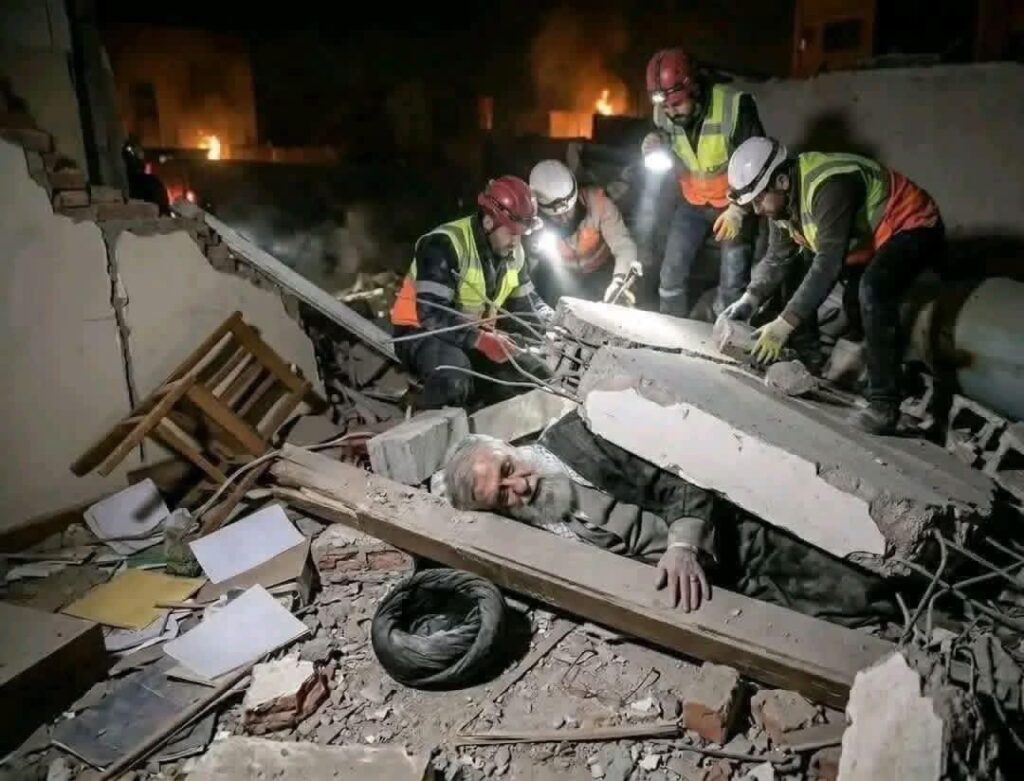
Khamenei’s tenure has been marked by a blend of religious authority and political strategy.
From consolidating power after the Iran-Iraq War to guiding Iran through nuclear negotiations and confrontations with the West, his leadership has defined contemporary Iran.
His Friday night killing
marks one of the most significant events in Middle Eastern geopolitics in decades.
Following the death of Khamenei,Iran has established a temporary three member leadership council to manage state affairs.
A permanent successor will be chosen by the Assembly of Experts, with potential contenders who include Mojtaba Khamenei and Alireza Arafi.
The interim leadership
of th three member council members includes President Masoud Pezeshkian, Chief Justice Gholamhossein Mohseni-Ejei, and cleric Alireza Arafi.
Alireza Arafi was appointed as the jurist member of the transition council.
Arafi is a member of the Guardian Council, head of Iran’s seminary system, and deputy chairman of the Assembly of Experts.
The Assembly of Experts is responsible for selecting a permanent successor.
Potential Successors of Khamenei include
Mojtaba Khamenei: The second son of Ali Khamenei, he has strong links to the Islamic Revolutionary Guard Corps (IRGC), but his succession might be opposed due to the regime’s desire to avoid a hereditary monarchy.
Alireza Arafi: Regarded as a strong contender due to his high-ranking positions and confidence from the late leader.
Other potential name being mentioned include Assembly of Experts member Ayatollah Hashem Hosseini Bushehri.
Want to be featured or have a personality highlighted?
📞 WhatsApp: +254703633820, +254754168624
✉️ Email: dailynewskenya0@gmail.com
🗓️ [DNK-International@March 2,2026]