DNK International
 By Our Reporter,Siaya
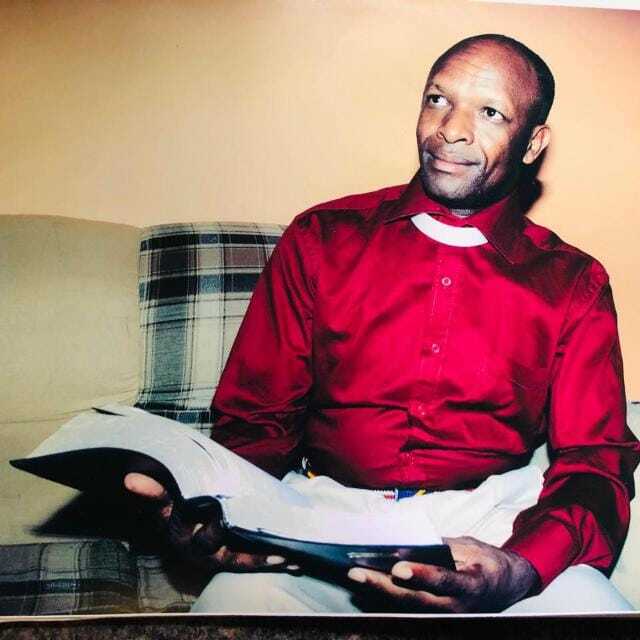
Eliud Owalo’s political journey has steadily evolved from boardrooms and strategy rooms into the centre of Kenya’s power politics.
The immediate former Deputy Chief of Staff in the Executive Office of the President overseeing delivery and government performance has framed his 2027 bid as the culmination of years spent studying how government works and why it often fails ordinary citizens.
Frequently quoted for saying that “Kenya does not suffer from a shortage of ideas, but from a shortage of disciplined execution,” Owalo has positioned himself as a leader who believes competence must trump political theatrics.
A seasoned strategist,Owalo is no stranger to the inner workings of power,having worked closely with some of Kenya’s most influential political figures including the late ODM leader Raila Odinga and President William Ruto.
He was educated at Kenyatta University and the University of Nairobi.
Owalo’s academic background in economics business,human resource management and strategic leadership mirrors his professional trajectory.
Before stepping fully into public service,he ran Eliud and Associates Management Consultants,advising institutions on strategy and performance.
His record in government has reinforced that image.
As Cabinet Secretary for Information, Communication and the Digital Economy between 2022 and 2024, Owalo pushed an aggressive digitisation agenda, expanding e-Citizen services and advocating for data driven public service delivery.
He repeatedly argued that “digital government is about restoring dignity to citizens by eliminating inefficiency and corruption.”
His later role as Deputy Chief of Staff, overseeing delivery and government performance, placed him at the heart of monitoring ministries and State agencies, sharpening his reputation as a stickler for results and accountability.
Beyond government, Owalo has extended his influence into sports as Patron of Gor Mahia Football Club.
He has spoken of the club as a national institution rather than just a team, once declaring that “Gor Mahia must be run like a serious enterprise if it is to dominate Africa.”
His vision for the club centres on professional management, financial sustainability, improved player welfare and infrastructure, using football as a vehicle for youth empowerment and national pride.
Married and deliberately private about his family life, Owalo often says that leadership should be public but families should be protected from political glare.
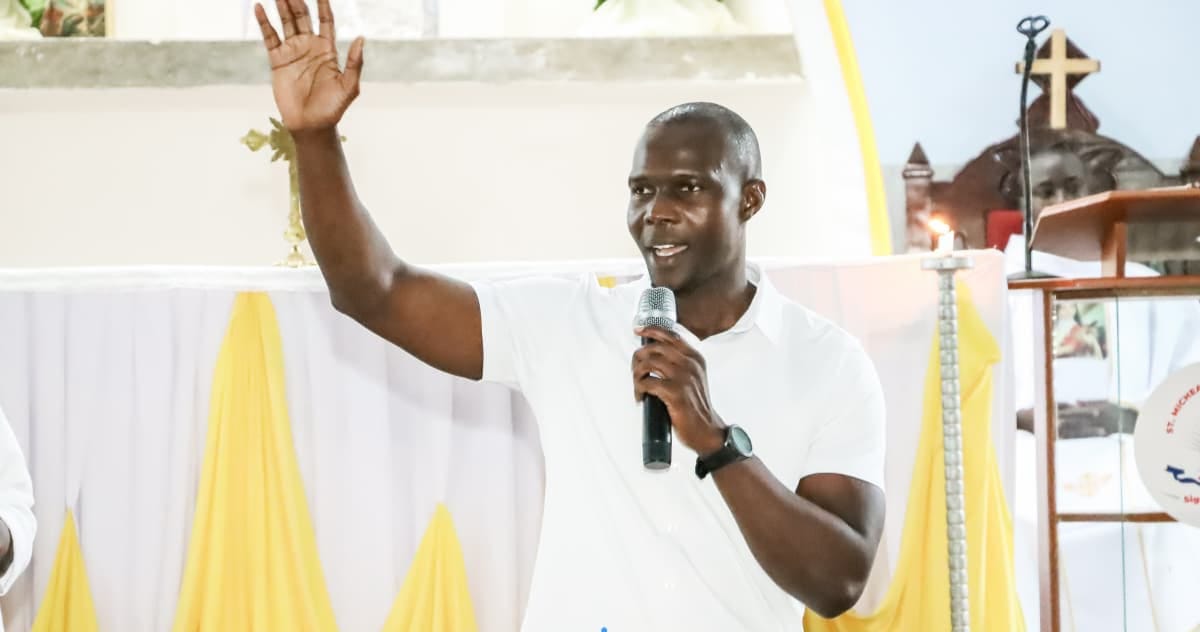
Central to his public identity is his deep connection to the Nomiya Church, founded in 1907 by his grandfather Nabii Johana Owalo.
He openly credits faith for shaping his values, insisting that “leadership without values is dangerous.”
With the church’s estimated 1.5 million followers across East Africa, Owalo has hinted that faith, culture and organisation could form a formidable pillar of his political base.
As he lays the groundwork for a possible new political party, Owalo says his presidential vision is anchored on national unity beyond regional political monoliths, a productive economy driven by skills and innovation, and a state that works efficiently for its people.
He often sums up his ambition with the line: “Kenya’s future will be secured by serious leadership focused on systems, not slogans.”
Whether seen as a bold technocratic challenger or an unconventional faith backed contender, Eliud Owalo’s entry into the 2027 race has undeniably added a new and provocative dimension to Kenya’s political conversation.
Owalo as revealed by political pundits in Luo Nyanza will also be fighting for the regional kingship which after the demise of Raila Odinga…