DNK International
 By Our Reporter,Nairobi
Major General (Rtd) Mohammed Hussein Ali, a former Kenya Police Commissioner and career soldier, remains one of the most consequential security figures in Kenya’s modern history.
Now in his late 60s (born in 1956), Ali built a reputation defined by discipline, decisiveness, and controversy in equal measure.
Ali received his early education in western Kenya before joining the military, where he underwent rigorous officer training at the prestigious Kenya Military Academy in the late 1970s.
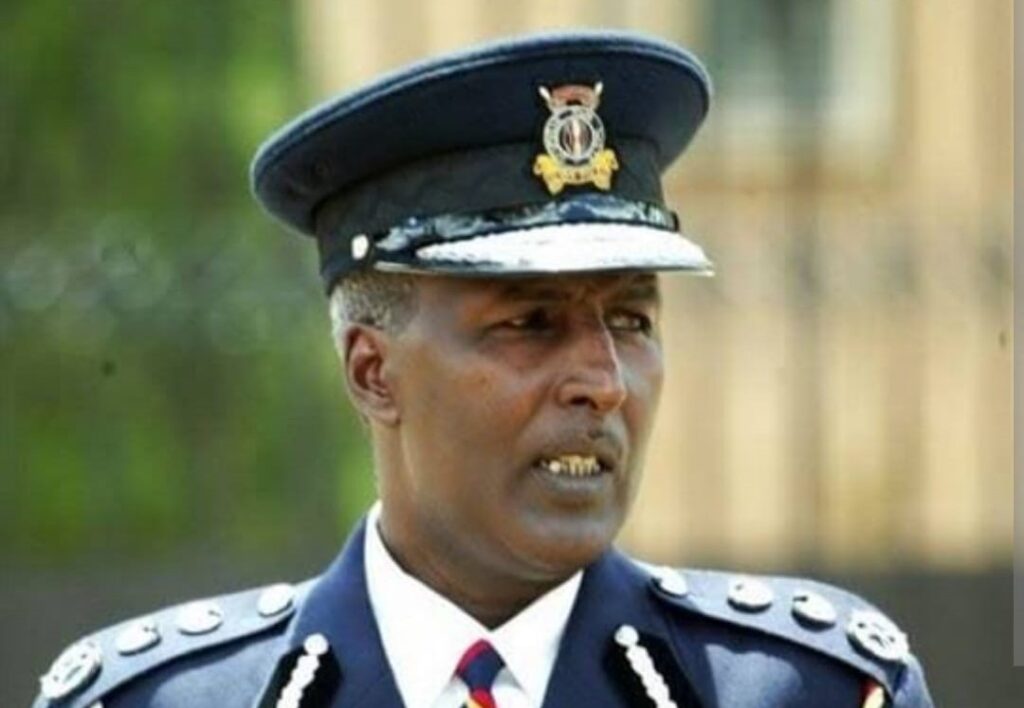
He was commissioned into the Kenya Army, marking the beginning of a distinguished military career that would span decades.
After successfully passing out as an officer, he steadily rose through the ranks, earning respect for his operational sharpness and leadership abilities.
In the military, Ali served in the elite 20 Paratrooper Battalion, one of the most specialized units in the army, before later commanding the Air Cavalry Battalion.
His time in these units cemented his reputation as a no-nonsense officer capable of handling complex and high-risk operations.
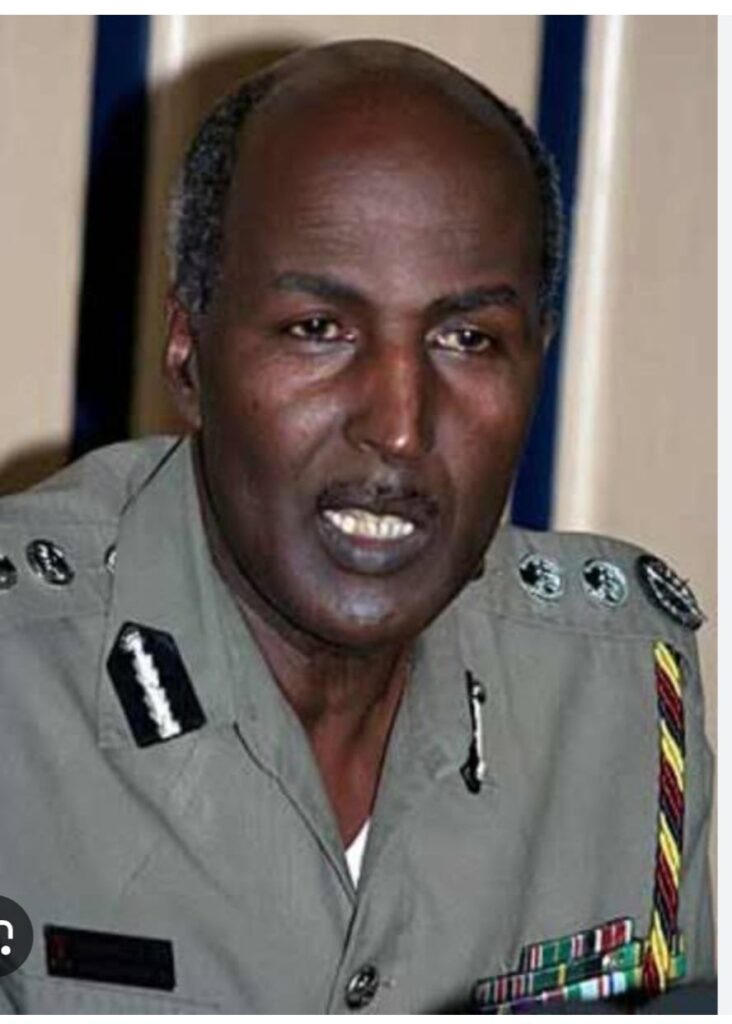
Beyond combat roles, he also served as a military attaché in both Uganda and Zimbabwe, where he gained valuable diplomatic, intelligence, and strategic experience skills that would later define his approach in national policing.
Before his appointment as Police Commissioner in 2004, Ali had already distinguished himself as a senior military officer with extensive command and international exposure.
His transition from the military to head the Kenya Police marked a significant shift, bringing a military-style command approach into civilian law enforcement.
Upon taking office under President Mwai Kibaki, Ali launched sweeping reforms within the police service.
He disbanded the notoriously corrupt Kenya Police Reserve, intensified crackdowns on organized criminal groups such as the Mungiki, and spearheaded major anti-drug operations.
These efforts significantly improved operational efficiency and restored a degree of public confidence in the police.
His tenure was marked by firmness, often summed up in his tough public stance that the rule of law would be enforced without fear or favor.
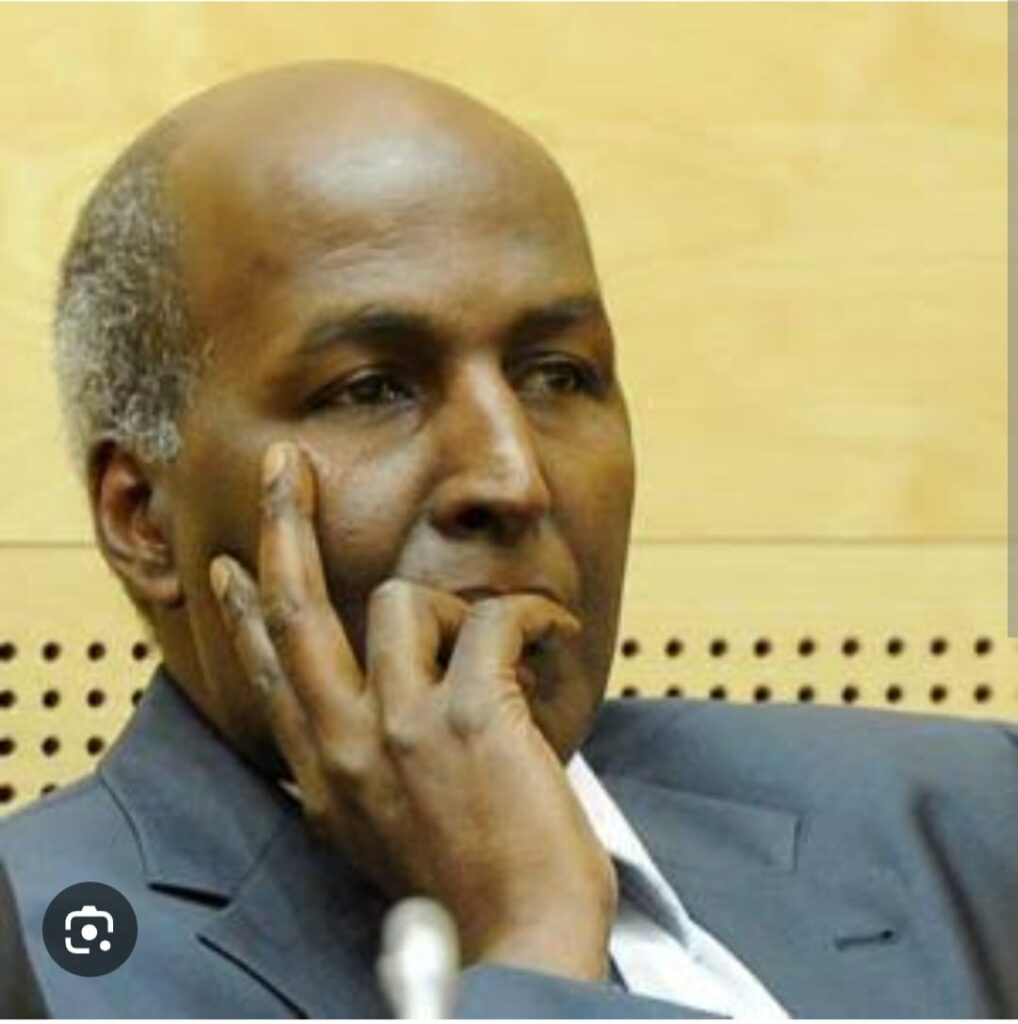
However, his leadership style also attracted criticism.
Human rights organizations accused the police under his command of excessive force and extrajudicial actions, especially during operations targeting criminal gangs.
These concerns became more pronounced during the aftermath of the disputed 2007 general election.
Ali found himself at the center of international scrutiny following the 2007–2008 post-election violence, a crisis that led to investigations by the International Criminal Court.
He was among the six individuals named in the so-called “Ocampo Six,” alongside prominent political figures including former President Uhuru Kenyatta (then deputy primeminister and minister for finance,he was also an MP for Gatundu South),President William Ruto (then minister for Agriculture and MP for Eldoret North).
Others were the then head of public service Ambassador Francis Muthaura,former ODM Chairman and MP for Tinderet Henry Kosgey and former KASS presenter Joshua Arap Sang.
The selection was structured to reflect political balance but some critics told DNK-International that it controversially excluded key principal actors that allegedly complicated the pursuit of accountability.
Despite the gravity of the allegations, Ali became the first among the Ocampo six to be cleared.
The court found no evidence linking him to crimes related to the violence, effectively acquitting him and affirming that his actions as Police Commissioner were not criminally culpable.
His acquittal marked a significant moment, distinguishing him from many of the political figures entangled in the same process.
Following his exit from the police service, Ali continued to serve the country in various capacities, including as the Chairman of the Kenya Posts and Telecommunications.
Known to be a private citizen now, he is married and maintains a low public profile, with limited details about his family life in the public domain.
Throughout his career, Ali was known for his firm messaging and memorable stance on discipline and order.
One of his commonly cited positions during his tenure emphasized that security agencies would act decisively to protect law and order, reflecting his unwavering belief in authority and structure.
Major General Mohammed Hussein Ali’s legacy remains complex,defined by military excellence, bold police reforms, and a controversial but ultimately vindicated chapter at The Hague.
His career stands as a reflection of the challenges of enforcing order in a politically charged environment, where the line between duty and scrutiny is often razor-thin.
Want to be featured? or have a personality want to know about him or her:
📞WhatsApp: ±2540703633820,±254754168624
✉️ Email: dailynewskenya0@gmail.com
🗓️ [DNK-International@March 20,2026]