DNK International
 By Our Reporter,Kisumu.
Kenya’s energy sector is once again edging toward a volatile showdown where rising profits collide with restless labour, and this time the spark has been lit by a re-energised Kenya Electrical Trades and Allied Workers Union (KETAWU).
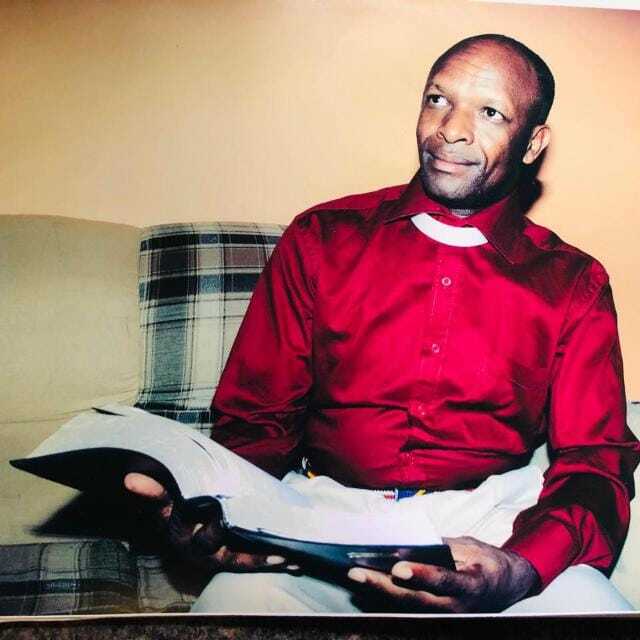
Fresh from securing a renewed five-year mandate, KETAWU General Secretary Ernest Nakenya Nadome has issued a strike notice that could plunge the country into darkness if a long-stalled Collective Bargaining Agreement (CBA) is not revised by the end of February.
At the centre of the looming confrontation is money and the question of who benefits from it.
KETAWU argues that Kenya Power’s reported Sh34 billion annual profit has not translated into improved pay or conditions for workers, whom the union describes as the backbone of the country’s electricity distribution network.
“If the company is profitable, workers must get a slice of the pie,” Nadome said.
The union is demanding a Sh5 billion cumulative salary increment under the proposed 2024/2025 CBA.
Failure to conclude negotiations, Nadome warned, would trigger what he dramatically termed “a battle of all mothers’ strikes.”
The threat is far from symbolic. “We are going to stall distribution of power in the country if our woes aren’t addressed,” he declared, piling pressure on Energy Cabinet Secretary Opiyo Wandayi and his team to urgently reopen talks.
Speaking at Tom Mboya Labour College in Kisumu following KETAWU’s national elections, Nadome framed the standoff as more than a wage dispute, casting it as a broader test of government sincerity on labour rights.
He accused authorities of frustrating earlier attempts to implement a draft CBA, describing the process as a “nightmare” marked by bureaucratic inertia and institutional resistance.
Armed with what he termed a fresh mandate from workers, Nadome signalled that the union was restarting the battle with renewed resolve.
That mandate carries political weight.
Nadome’s re-election consolidates his authority at a time when labour unions are increasingly flexing muscle in response to rising living costs and perceived corporate excess.
He thanked members for renewing their confidence in his leadership, promising not to squander it.
The timing is particularly sensitive for government.
In early January 2026, KETAWU also re-elected its Mt Kenya East branch officials unopposed, a move widely interpreted as a show of internal unity and organisational stability.
The branch leadership has pledged to prioritise delivery of pending CBAs, further strengthening the union’s bargaining position.
KETAWU’s demands are also being shaped by recent victories elsewhere in the energy sector.
The union recently concluded a CBA with the Geothermal Development Company (GDC) covering the 2022–2025 period, setting a benchmark that has raised expectations among workers at Kenya Power, KenGen and other state-linked utilities.
From a business perspective, the looming standoff exposes a familiar dilemma within Kenya’s state corporations: how to balance fiscal discipline with industrial peace.
While profitability excites shareholders and Treasury technocrats, unresolved CBAs risk translating boardroom success into nationwide disruption.
For Kenya Power, even a short strike could ripple across manufacturing, healthcare, transport and digital services, turning an industrial dispute into an economic shock.
Politically, the stakes are even higher.
A shutdown of power distribution would instantly escalate the issue into a national crisis, forcing the government to choose between conceding to union demands or absorbing public backlash.
Nadome’s call for direct engagement with CS Wandayi is therefore both a warning and an olive branch.
As February approaches, all eyes are on whether dialogue will prevail or whether confrontation will define the next chapter in Kenya’s energy labour relations.
What is clear is that KETAWU, emboldened by leadership stability and recent CBA wins, is no longer content to wait quietly in the dark while profits glow elsewhere.
[DNK-International@January 28, 2026]