DNK International
 By Our Reporter,Nairobi
Nairobi Governor Johnson Sakaja stands today as one of the most resilient and politically connected leaders of Kenya’s post 2002 generation.
His journey has been marked by ambition, controversy, survival and reinvention in equal measure.
He was born on February 2, 1985, in Nairobi’s Parklands area.
Sakaja lost his mother at a young age, an experience he has often said shaped his independence and drive.
He attended Aga Khan Nursery and Primary School before joining Lenana School, where his interest in leadership and debate became evident.
He later enrolled at the University of Nairobi to study actuarial science, a technically demanding course that exposed him to economics, statistics and risk analysis, though he did not complete the programme.
His time at the university proved pivotal not academically, but politically, as he immersed himself in student leadership, mobilization and national debates at a time when Kenya was undergoing profound political change.
Sakaja’s early working life was unconventional.
While still young, he took up short stints at corporate firms including Price waterhouse Coopers, worked at a cyber café, and ventured into consultancy, experiences that gave him exposure to both elite and grassroots economic realities.
However, politics soon became his primary calling.
He was drawn into national politics during the 2005 constitutional referendum and later became deeply involved in President Mwai Kibaki’s 2007 re-election campaign, where he was part of the influential youth mobilization outfit Vijana na Kibaki.
This period introduced him to power brokers within government and business circles and cemented his reputation as a sharp political organizer.
His major national breakthrough came in the early 2010’s when he emerged as a founding figure and national chairman of The National Alliance (TNA), the party that carried Uhuru Kenyatta to victory in the 2013 presidential election.
At just 26, Sakaja was already operating at the heart of national power.
His loyalty and organizational role earned him a nomination to Parliament, where he served as a nominated MP between 2013 and 2017, positioning himself as a vocal advocate for youth empowerment, devolution and economic inclusion.
In 2017, Sakaja transitioned from nomination to the ballot, winning the Nairobi senatorial seat under the Jubilee Party.
His combative style, frequent media appearances and aggressive oversight of county affairs earned him both admirers and critics, but also elevated his public profile in the capital.
That Senate victory laid the groundwork for his most ambitious political gamble: the Nairobi governorship.
The 2022 Nairobi governor’s race thrust Sakaja into the eye of a storm.
Questions over his academic qualifications dominated headlines, with claims and counterclaims over degrees from local and foreign institutions.
Regulatory bodies challenged the validity of some documents, opponents sought to block his candidacy, and public scrutiny intensified.
Sakaja fought back legally and politically, and the courts ultimately allowed him to contest, ruling that there was insufficient basis to bar his candidature.
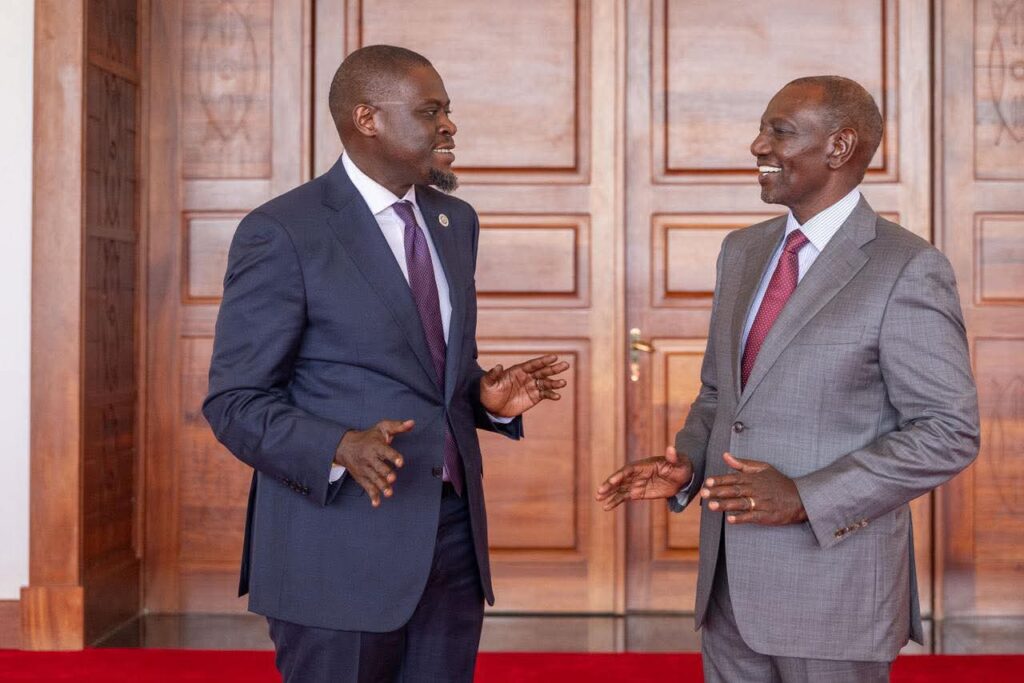
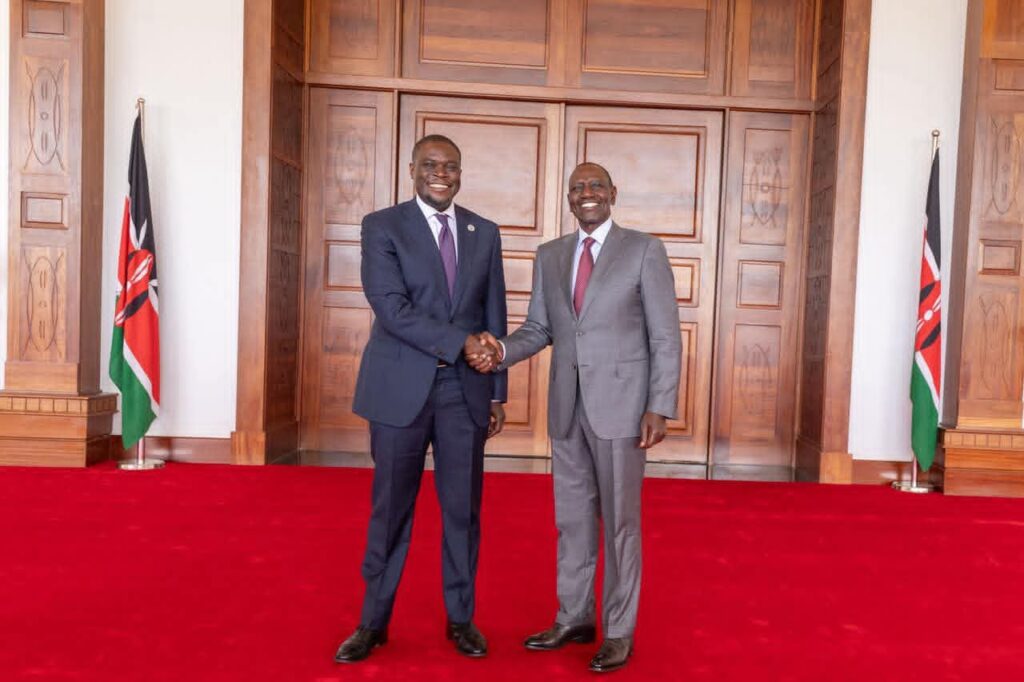
Against that backdrop, and riding on the wave of President William Ruto’s United Democratic Alliance (UDA), Sakaja won the Nairobi governorship, defeating seasoned rivals in one of the country’s most hotly contested county races.
Once in office, Sakaja inherited a city grappling with debt, dysfunctional services and entrenched cartels.
His tenure has been turbulent.
Accusations of mismanagement, political interference and governance gaps led to an attempted impeachment by Nairobi MCAs, a move that threatened to derail his administration.
However, the motion collapsed amid internal county divisions and strong backing from national political figures, reinforcing Sakaja’s image as a survivor in Kenya’s unforgiving political arena.
Perhaps the most controversial phase of his governorship has been his evolving relationship with the national government.
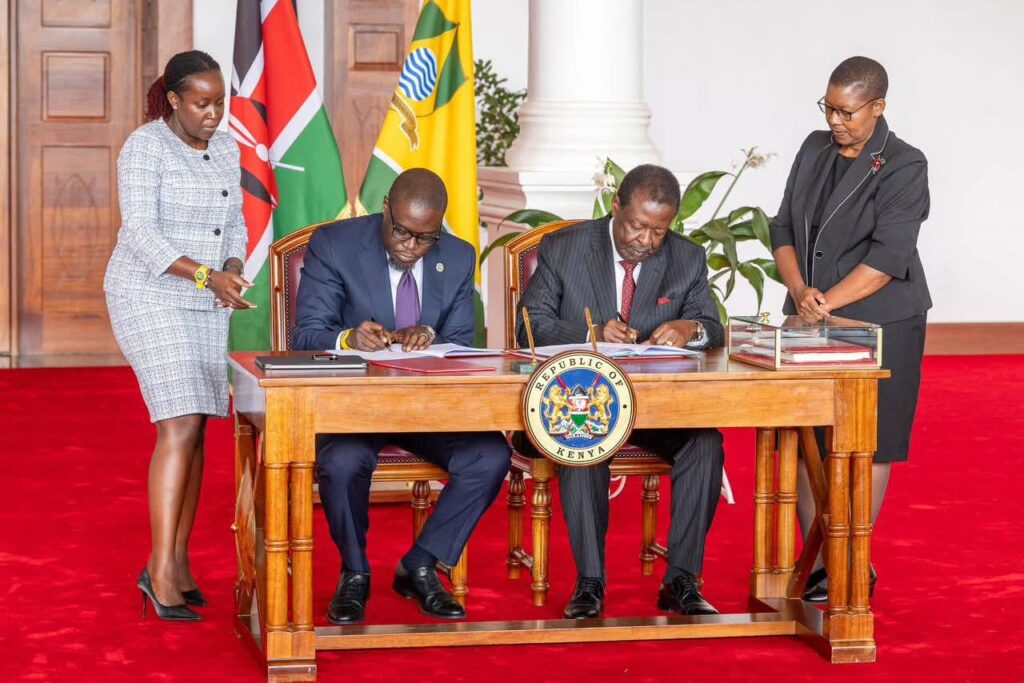
After initially resisting claims that City Hall functions would be taken over by the State, Sakaja later yesterday (Monday) entered into a structured working arrangement with the national administration on key sectors such as roads, housing, waste management and security.
While critics accused him of ceding devolved powers, Sakaja framed the move as pragmatic cooperation aimed at rescuing Nairobi from decades of decay, arguing that the capital’s complexity requires joint action rather than rigid political lines.
Politically, Sakaja’s relationships tell the story of a consummate operator.
He rose under Uhuru Kenyatta’s mentorship, realigned seamlessly with William Ruto ahead of the 2022 elections, and has navigated a historically adversarial political environment with the late ODM leader Raila Odinga by avoiding open confrontation during his life time.
This ability to adjust alliances without losing relevance has been central to his political longevity.
As Nairobi Governor, Johnson Sakaja remains a polarizing but undeniably influential figure,a leader shaped by youthful activism, tested by scandal, shielded by powerful alliances and driven by an ambition to leave a lasting imprint on Kenya’s capital.
Whether his legacy will be defined by transformation or controversy remains a question only time will answer.
Want to be featured? or have a personality want to know about him or her:
📞WhatsApp: +254703633820,+254754168624
✉️ Email: dailynewskenya0@gmail.com
🗓️ [DNK-International@February 18,2026]