DNK International
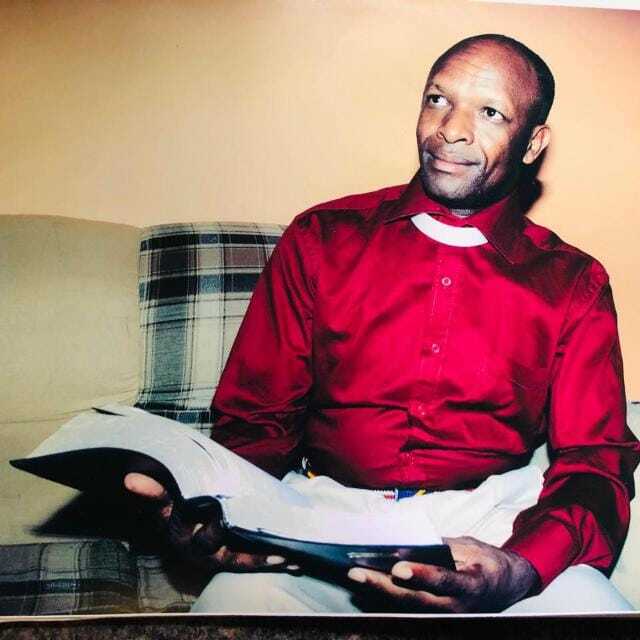
 By Fredrick Chelimo.
There is a tiredness that runs through the ordinary Kenyan taxpayer.
It is the tiredness of waking up early, working hard, paying taxes in one form or another, and then watching leaders behave as though accountability is an insult.
It is the exhaustion of seeing public money discussed casually while daily life becomes more expensive and public services grow weaker.
When governors gang up to defy scrutiny by senators acting on behalf of the people of Kenya, they do more than challenge an institution.
They display a troubling sense of self entitled impunity and a careless disregard for public money.
It sends a painful message: that those entrusted with billions believe they should not be questioned.
Governors have claimed that senators subject them to tough questioning, belittlement, public shaming, and even extortion.
These are grave accusations and, if true, deserve serious investigation.
But accusations alone are not accountability. Evidence matters.
Process matters. What citizens have seen instead are demands for “friendly” senators, threats to boycott sessions, and attempts to dictate the terms of scrutiny.
From a taxpayer’s perspective, this looks less like self defence and more like avoidance.
Many Kenyans watch these sessions live on television.
We listen closely. And what we see is not hostility,it is restraint.
In fact, many taxpayers feel the questioning is far too lenient, especially when millions or billions of shillings cannot be explained.
When audit queries repeat year after year, when documents are missing, and when projects remain incomplete, the questions being asked feel not harsh, but overdue.
Let us be clear: this is not personal money under discussion.
It is public money. It is money raised from fuel, food, electricity, permits, and services.
It is money paid by the struggling trader, the farmer battling rising costs, the teacher stretched thin, the unemployed youth, and the person living with disability.
When governors mishandle these funds, it is citizens who suffer,not politicians.
If public service feels too uncomfortable,if scrutiny feels humiliating,then perhaps public office is not the right place to be.
There is no shame in private life, where one answers only to oneself.
But public office demands transparency, humility, and the ability to account clearly for every shilling spent.
What is especially alarming is the collective defiance by governors.
Unity among leaders should be used to strengthen devolution and improve services.
Instead, it is being used to resist oversight.
That is not leadership; it is arrogance. It turns devolution into a protective shield for corruption rather than a tool for development.
From the taxpayer’s viewpoint, the irony is bitter.
Devolution was sold as a way to bring services closer to the people.
Yet in many counties, devolved units are now seen as centres of mega corruption,where procurement scandals thrive, audit questions multiply, and accountability is treated as an attack.
When governors undermine oversight, they place devolution itself in danger.
Citizens are not asking for witch-hunts.
They are asking for honesty. They are not demanding humiliation. They are demanding answers.
In fact, many taxpayers believe oversight should go even further.
Complainants, whistle-blowers, professionals, and affected citizens should be invited to Parliament to contribute and clarify issues of financial misuse in counties.
Accountability should not be a closed political conversation,it should be informed by those who feel the impact of misgovernance every day.
Governors must understand one simple truth: transparency is not a favour they grant.
It is a duty they owe. Scrutiny should not be negotiated, postponed, or avoided.
It should be detailed, regular, and fearless, because the amounts involved are enormous and the consequences are real human suffering.
Kenyans are watching quietly, but keenly.
They know when leaders are honest and when they are evasive.
They know when power is exercised responsibly and when it is abused.
And they are taking note.
Leadership is not about comfort.
Public money is not private property.
And accountability is not optional.
Governors must return to the table and answer fully and truthfully.
Because these are our taxes, our pain, and our right to answers.
The Author Frederick Kipchumba Chelimo, PWD
Chairperson, Jiamini Disability Network Community Based Organisation
jiamini.network@gmail.com
[DNK-International@February 14,2026