DNK International
 By Emily Mbutu and Kenneth Kingori
National examinations remain one of the most decisive milestones in Kenya’s education system. Assessments such as the Kenya Certificate of Primary Education (KCPE) and the Kenya Certificate of Secondary Education (KCSE) determine progression to higher levels of learning and, for many, shape future career opportunities. With stakes this high, the integrity and fairness of the process are not optional — they are essential.
Recent data highlights both progress and persistent gaps. According to the Economic Survey 2024, more than 2,000 KCSE candidates in 2023 were learners with special needs, about 900 of whom had physical challenges. The number has been rising steadily, signalling that more learners with disabilities are staying in school long enough to sit national examinations — an encouraging trend.
Yet in the context of the total number of KCSE candidates nationwide, this figure remains relatively small. Education stakeholders note that this disparity may point to deeper systemic barriers. Some learners with physical challenges drop out before reaching examination level. Others encounter inaccessible infrastructure, limited assistive devices, inadequate institutional support, or negative social attitudes that undermine their educational journey.
Kenya’s legal framework is explicit. The Constitution of Kenya guarantees the right to education and protection from discrimination. The Persons with Disabilities Act further requires that learners with disabilities receive reasonable accommodation, including during examinations.
In practice, such accommodations may include extra time, access to a trained scribe, adapted examination papers, accessible examination centres, and appropriate seating arrangements. On paper, the protections are clear.
The challenge lies in implementation.
Reports from various counties indicate instances where learners who required scribes did not receive assistance on time, despite prior notification to examination officials. In high-pressure environments such as national examinations, delays or logistical oversights can cause significant distress. Exams are inherently stressful; struggling for basic accommodations only compounds that burden.
The challenge becomes even more pronounced at the tertiary level. In colleges and universities, students with physical challenges often find themselves navigating examination systems that are neither flexible nor fully prepared for their needs. What should be a straightforward assessment of knowledge can quickly turn into a logistical struggle — from inaccessible examination rooms to delayed support services.
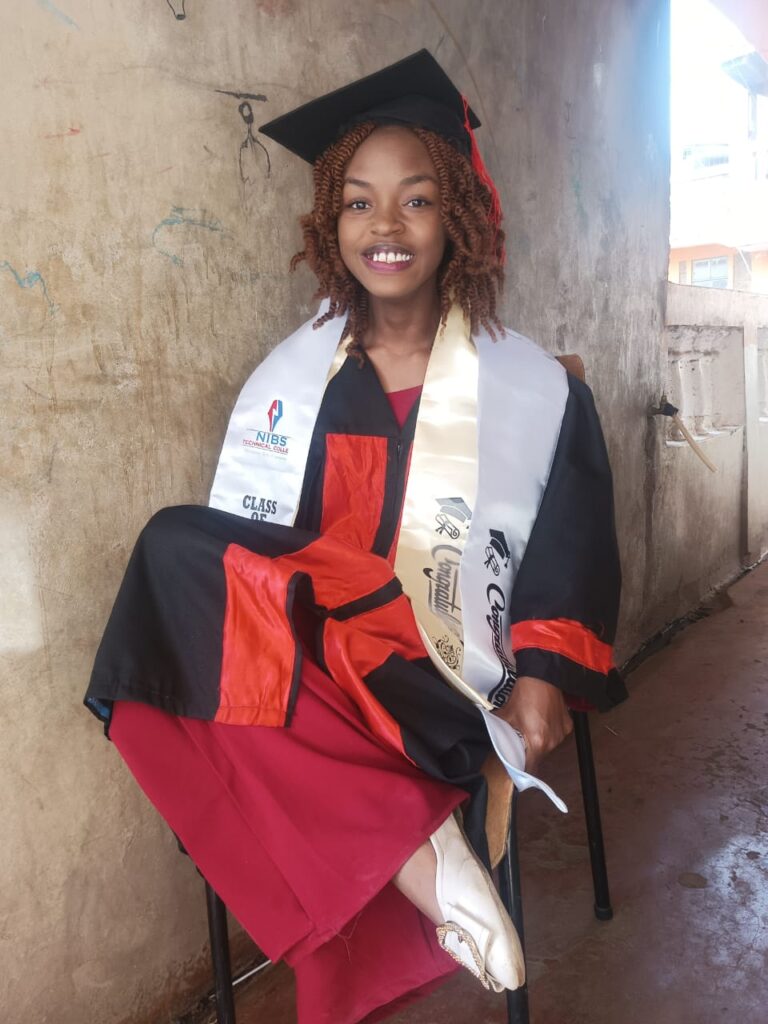
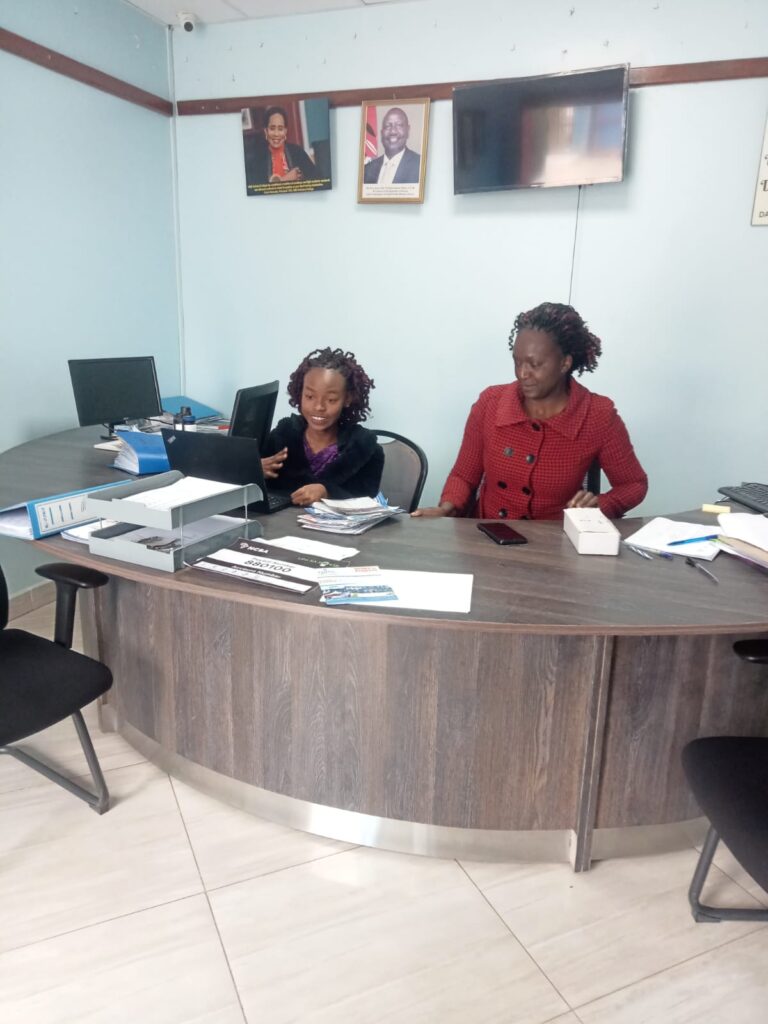
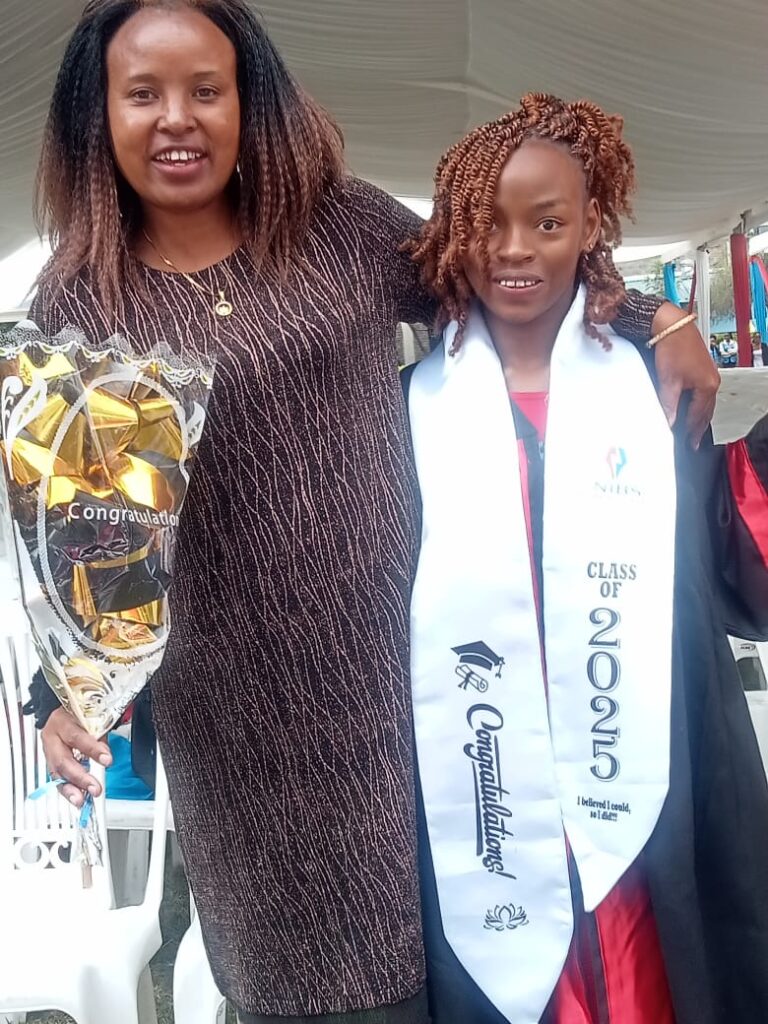
Yet not all institutions are lagging behind. A number of private colleges have begun investing in inclusive systems, particularly around examinations. Among them is NIBS Technical College, Ongata Rongai campus, which has established structured support mechanisms in both learning and assessment. Its approach has positioned it as one of Kenya’s leading disability-friendly tertiary institutions, demonstrating that inclusion is achievable when planning is deliberate and leadership is committed.
National assessments are intended to measure knowledge and competence — not physical endurance or manual dexterity. When support mechanisms fail, the examination ceases to be a fair test of academic ability.
If equity is to move beyond rhetoric, structural improvements are necessary.
Early planning is critical. Schools must verify and communicate the needs of learners with physical challenges well before the examination period. Counties should maintain trained support personnel ready to deploy when exams begin. Examination centres must undergo accessibility audits to ensure learners are not hindered by stairs, narrow entrances, or cramped seating. A rapid-response mechanism should be established to address challenges in real time, preventing candidates from losing valuable examination minutes due to administrative lapses.
Equally important is budgetary commitment. Accommodation services should form part of the official annual examination allocation, not depend on ad hoc arrangements.
Providing support for learners with physical challenges is not preferential treatment; it is the fulfilment of constitutional obligations and a commitment to equal opportunity. When accommodations are reliable and professionally managed, candidates are able to compete on the strength of their preparation and intellect.
A nation’s values are reflected in how it treats its most vulnerable citizens. In the examination hall — where futures are shaped — fairness must be more than a principle. It must be practice.
Every learner deserves dignity.
Every learner deserves preparation.
Every learner deserves a fair chance.
Emily Mbutu is a Podcasting student at NIBS Technical College,Ongata Rongai Campus while Kenneth Kingori is undertaking Journalism and Media studies at the same institution