DNK International
 By Our Correspondent,Yaounde
At 93 years old, Paul Biya remains one of the most enduring and controversial political figures on the African continent.
Biya has ruled Cameroon for over four decades.
This week, he made a historic and widely debated move by appointing his son, Franck Emmanuel Biya, as Vice President and head of the armed forces.
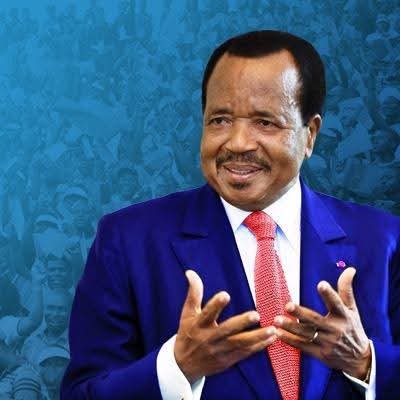
It effectively reintroduced a powerful office that had been abolished in 1972.
Biya was born on February 13, 1933, in Mvomeka’a in southern Cameroon and rose from modest beginnings to become a central figure in the country’s post-independence leadership.
He was educated in Cameroon and later in France, where he studied political science and law
Biya was deeply influenced by the French administrative system and governance model, which shaped his leadership style.
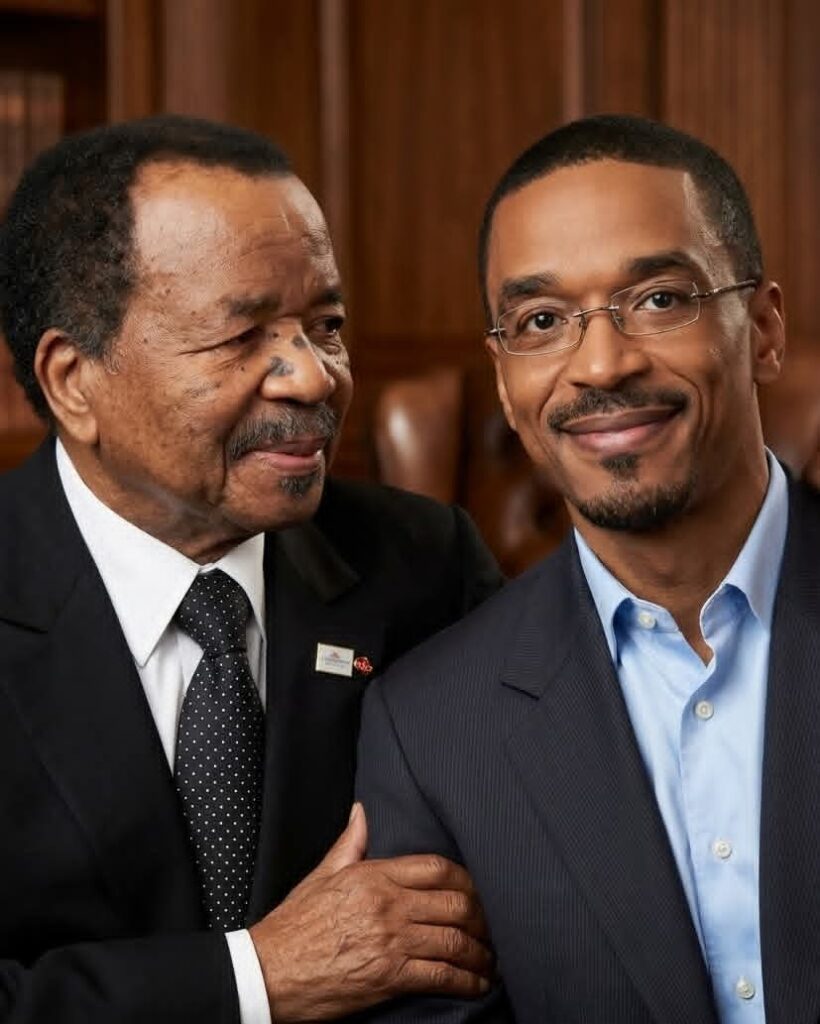
His early political career saw him serve under Cameroon’s first president, Ahmadou Ahidjo, who became both his mentor and political inspiration.
Biya steadily climbed the ranks of government, serving as Secretary-General at the Presidency from 1968 to 1975 before being appointed Prime Minister in 1975.
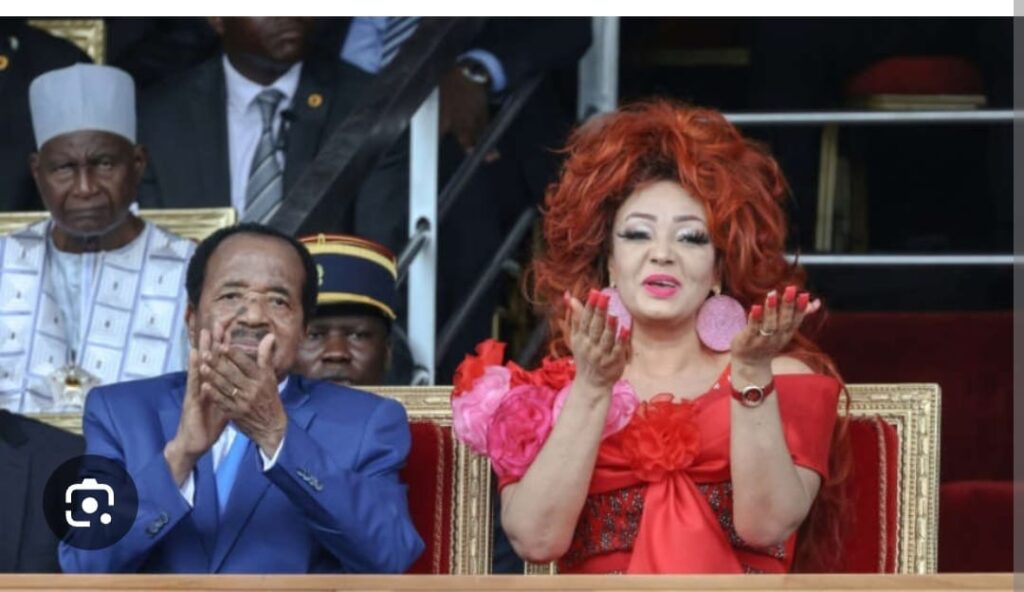
When Ahidjo unexpectedly resigned in 1982, Biya constitutionally succeeded him as President.
Just two years later, he survived an attempted coup in 1984, a defining moment that cemented his grip on power and shaped his approach to governance, particularly in matters of security and political control.
Throughout his presidency, Biya has maintained a firm hold on power through a combination of political strategy, institutional control, and a loyal security apparatus.
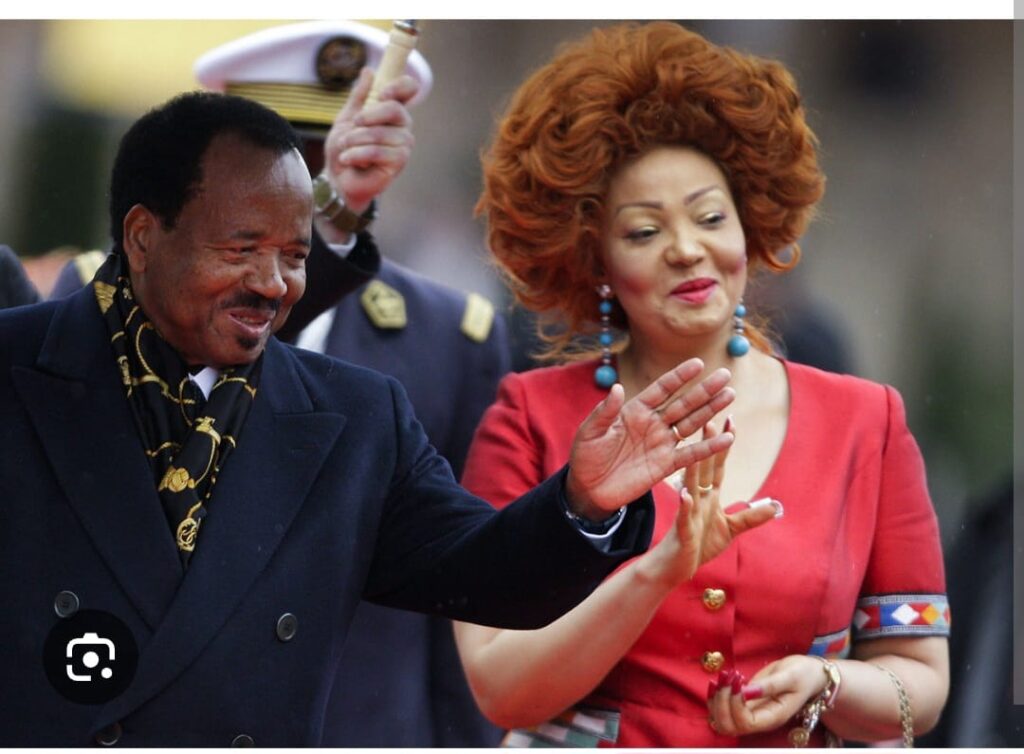
Analysts who talked to DNK-International here in Younde,have often attributed his longevity to his centralized style of leadership, ability to manage internal party dynamics within the ruling Cameroon People’s Democratic Movement, and a fragmented opposition landscape.
His cautious and often reserved public demeanor has also contributed to an image of stability, even amid criticism.
Biya is married to Chantal Biya, his second wife, known for her active role in charitable initiatives and high public profile.
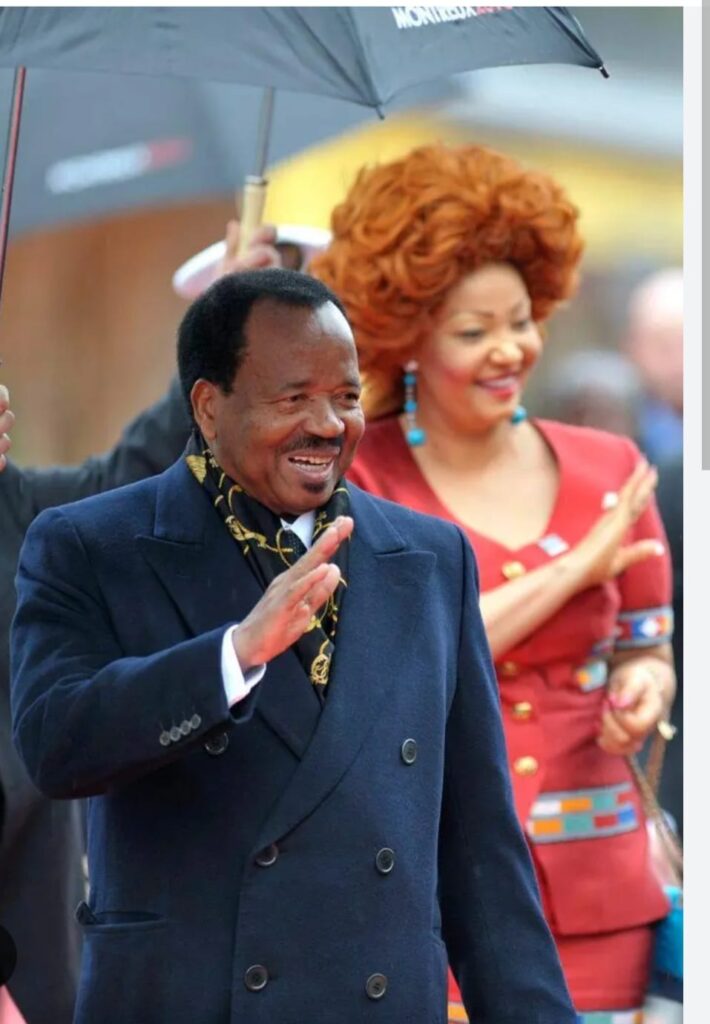
He was previously married to Jeanne-Irene Biya, who died in 1992.
Despite his advanced age, Biya continues to officially carry out presidential duties, although he is frequently absent from the public eye, often governing from abroad for extended periods.
His tenure has seen notable achievements, including investments in infrastructure, relative macroeconomic stability, and efforts to position Cameroon as a regional mediator in Central Africa.
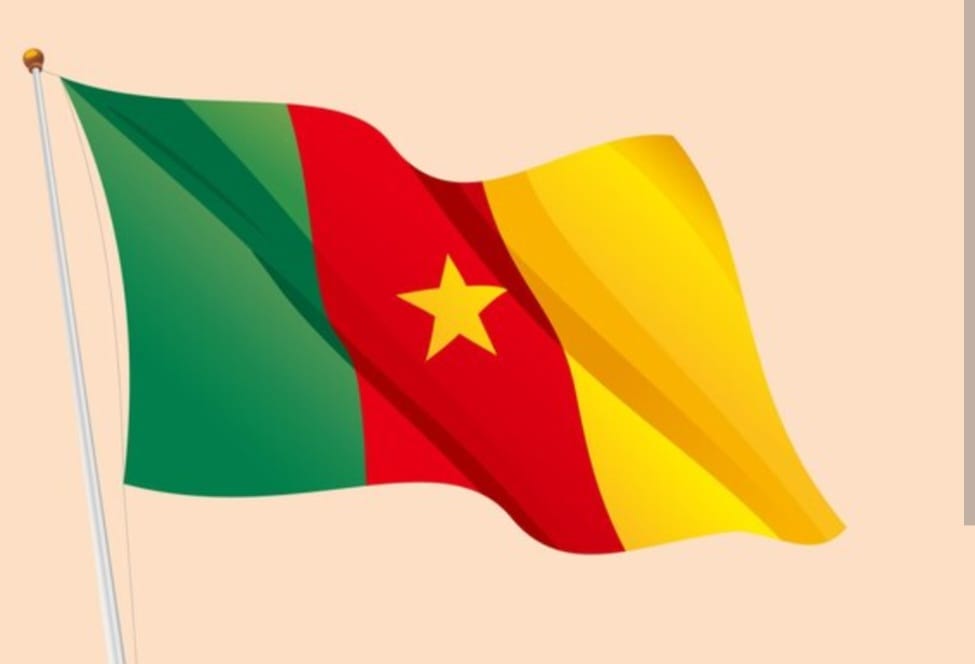
However, his rule has also been marked by allegations of authoritarianism, electoral irregularities, and prolonged conflicts, particularly the ongoing Anglophone crisis in the country’s northwest and southwest regions.
On the continental stage, Biya has played various diplomatic roles, representing Central Africa in forums such as the African Union and advocating for regional security cooperation.
His government has often supported peacekeeping initiatives and anti-terrorism efforts in collaboration with neighboring countries.
Biya is known for his measured and often philosophical public statements.
One of his frequently cited remarks is, “Rigour and moralisation must guide our actions,” a phrase that became a cornerstone of his early reform agenda.
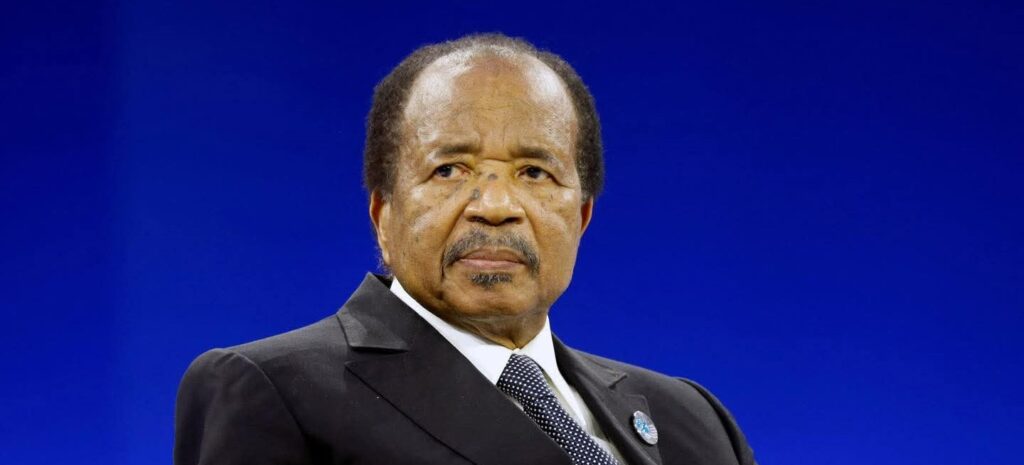
Over the years, however, critics argue that such ideals have not always been reflected in governance outcomes.
The recent appointment of his son as Vice President and head of the armed forces marks a significant shift in Cameroon’s political structure, raising questions about succession, constitutional order, and the future of governance in the country.
The reintroduction of the vice presidency for the first time since 1972 signals a potential recalibration of power dynamics, with observers closely watching whether this move indicates a transition plan or further consolidation of familial control.
As one of Africa’s longest serving leaders, Paul Biya’s legacy remains deeply complex,defined by resilience, longevity, and controversy.
His latest decision adds a new chapter to a presidency that has already spanned generations, leaving an indelible mark on Cameroon’s political history.
Want to be featured? or have a personality want to know about him or her:
📞WhatsApp: ±2540703633820,±254754168624
✉️ Email: dailynewskenya0@gmail.com
🗓️ [DNK-International@April
8,2026