DNK International
 By Xavier Lugaga,Busia
The public persona of George Wajackoyah is often wrapped in controversy, humour, and radical political ideas.
But behind the headlines lies a past that many Kenyans either do not know or have chosen to forget.
It is a past rooted in the disciplined, dangerous, and politically charged corridors of Kenya’s police service during the era of Daniel arap Moi.
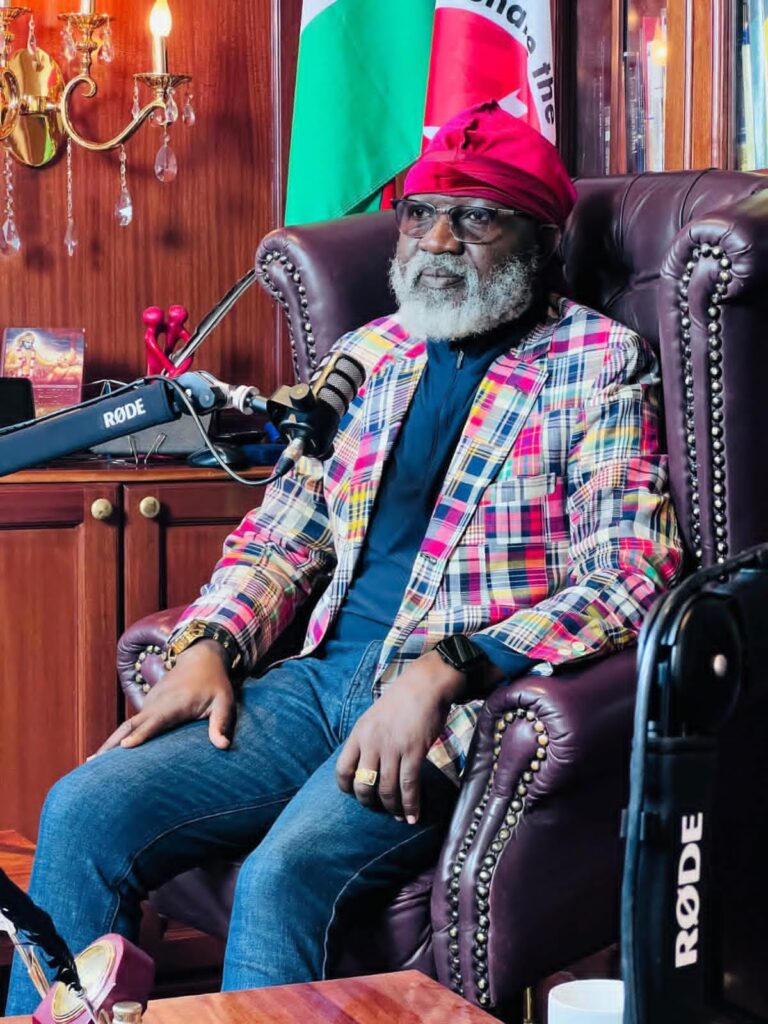
Before the academic gowns and presidential bids, Wajackoyah was a police officer.
He rose to the rank of Inspector, serving at a time when the police force was not just a law enforcement agency, but a critical arm of state control.
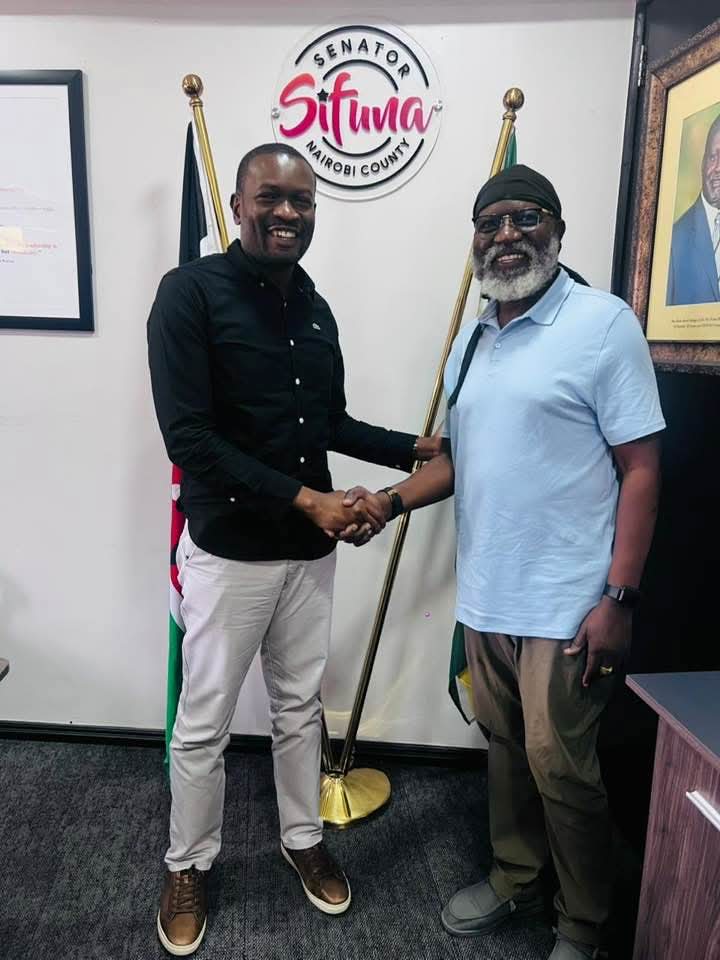
I know this not from hearsay, but from experience. I, too, served as an Inspector of Police, and our paths crossed at Central Police Station in Nairobi,one of the most demanding and politically sensitive stations in the country.
Even then, Wajackoyah stood out.
He was sharp, analytical, and unafraid to question.
These traits, while admirable, were not always welcome in a system that prized loyalty over inquiry.
His transfer to the dreaded Special Branch,then the intelligence nerve centre of the state marked a turning point.
The Special Branch, operating largely in secrecy, handled matters of national security, political intelligence, and, at times, covert operations.
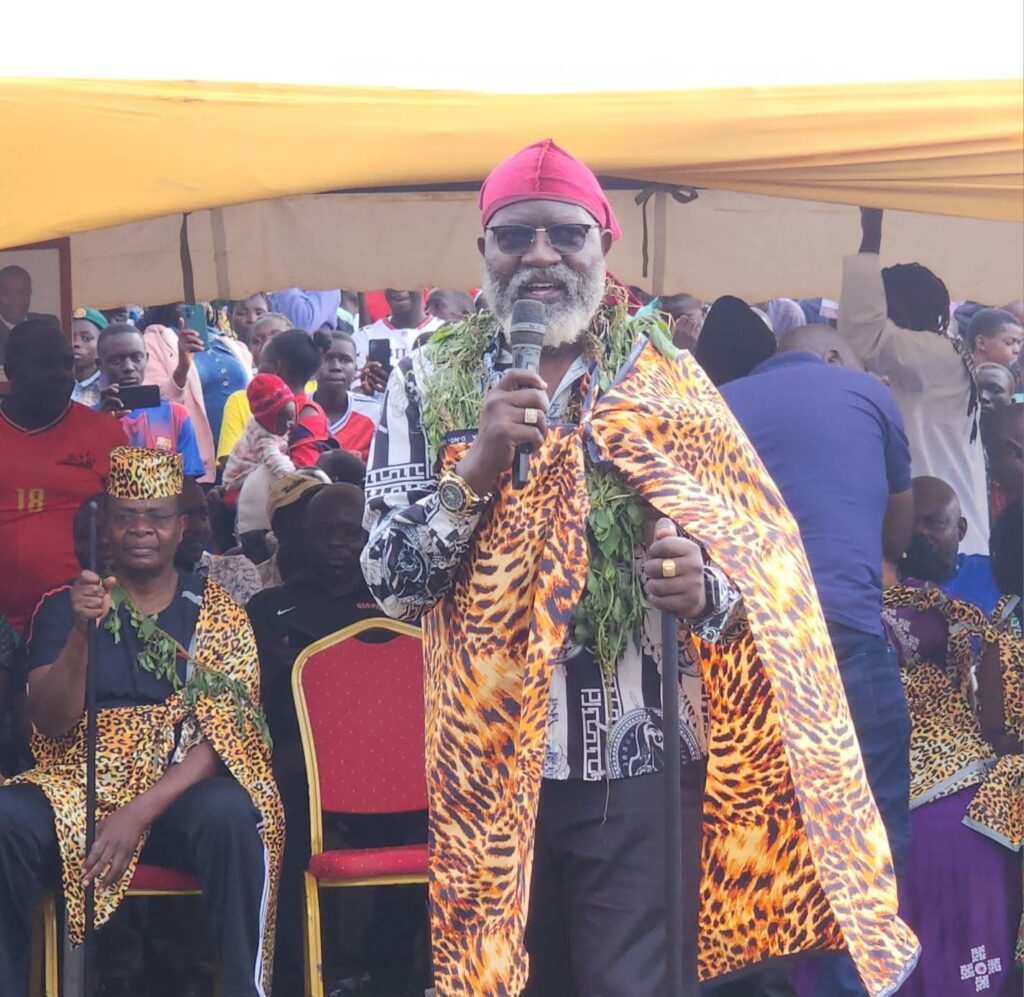
It was here that Wajackoyah found himself entangled in one of Kenya’s most mysterious and politically sensitive cases: the death of foreign affairs minister Robert Ouko.
The murder of Ouko remains a dark chapter in Kenya’s history.
Official reports have come and gone, but questions linger.
According to accounts from those familiar with the inner workings of the investigations at the time, Wajackoyah and his team reportedly stumbled upon information that pointed towards powerful individuals within the establishment.
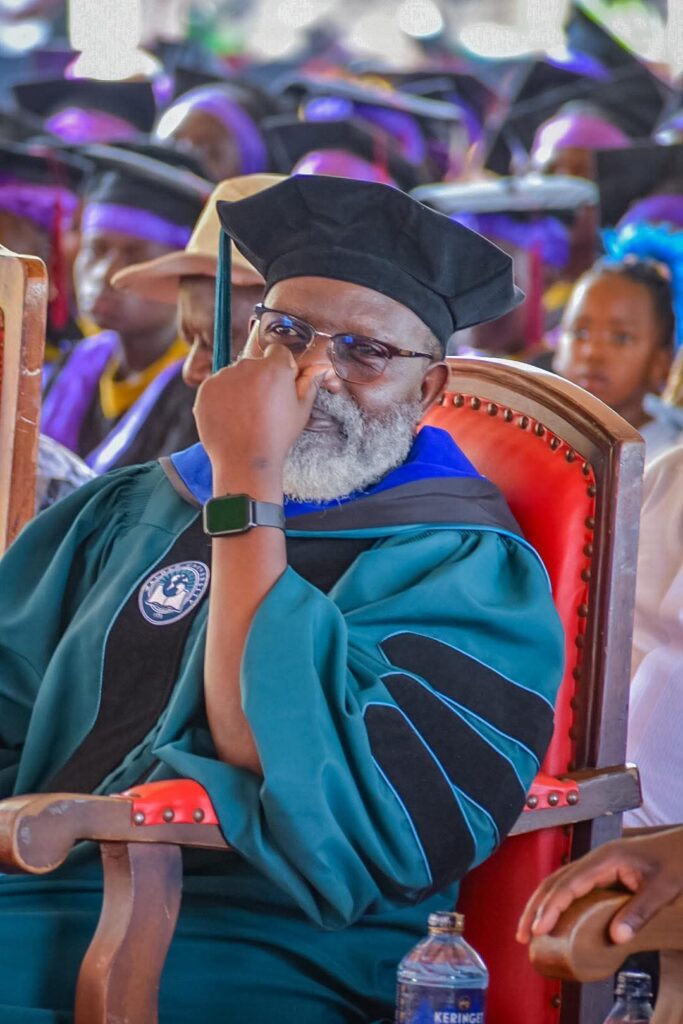
What followed, if these accounts are to be believed, was a chilling sequence of events.
Members of the investigative unit began to disappear under unclear circumstances.
Fear gripped those who dared to pursue the truth too closely.
The line between investigator and target blurred dangerously.
It is within this context that Wajackoyah is said to have made the life altering decision to flee the country.
The claim that the state, under President Moi, had turned against him paints a grim picture of the risks faced by officers who strayed beyond invisible boundaries.
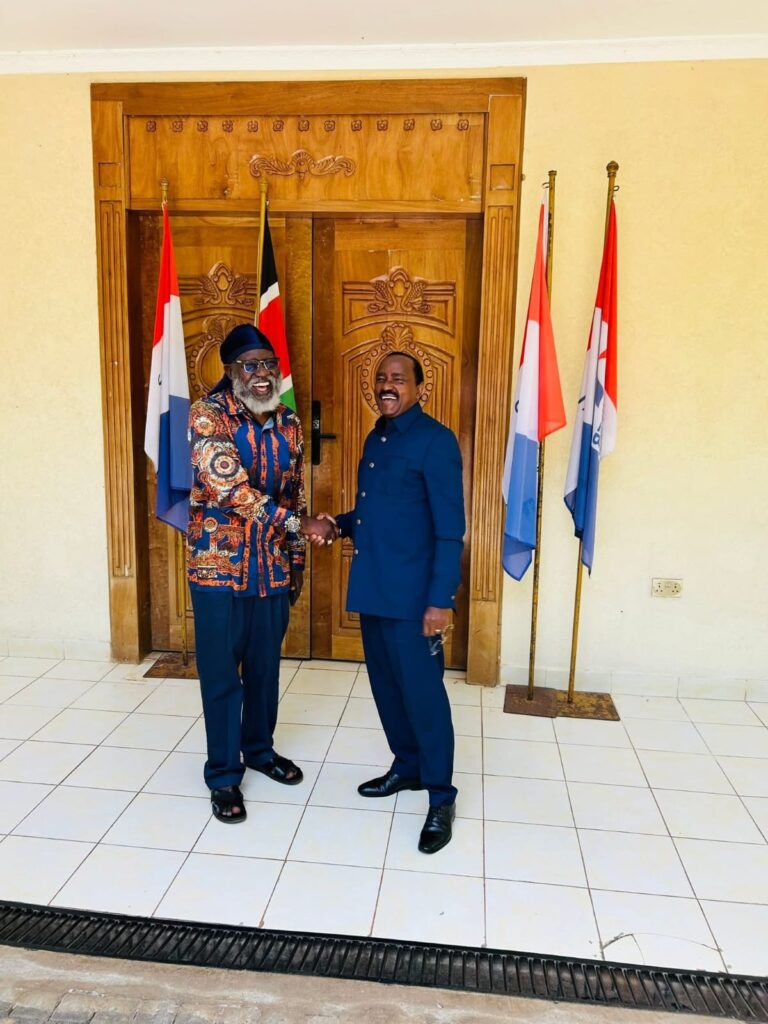
Exile, however, did not silence him. Instead, it transformed him.
For over two decades, Wajackoyah lived abroad, reinventing himself through education.
He pursued law with remarkable determination, eventually earning multiple degrees and carving out a new identity as an academic and legal scholar.
His journey from a police inspector navigating Kenya’s turbulent political landscape to a professor of law is nothing short of extraordinary.
Yet, his story raises deeper questions,about Kenya’s past, about the cost of truth, and about the men and women who served within systems that often demanded silence over integrity.
Today, as Wajackoyah commands attention on the political stage, it is worth remembering that his journey was not born in lecture halls or campaign rallies.
It was forged in the high stakes environment of policing during one of Kenya’s most complex political eras.
Whether one agrees with his politics in his led Roots Party or not, understanding his past provides a richer, more nuanced view of the man.
It also serves as a reminder of a time when serving the state could come at a deeply personal cost and when knowing too much could be the most dangerous position of all.
Want to be featured? or have a personality want to know about him or her:
📞WhatsApp: ±2540703633820,±254754168624
✉️ Email: dailynewskenya0@gmail.com
🗓️ [DNK-International@