DNK International
 By Citiman, The Watchdog
Rotten Chicken for Christmas!
The just-ended festive season came with its fair share of agony and trauma—brought about by the demands of the stomach. True to the adage not all that glitters is gold, many Nairobi residents who thronged fast-food outlets to sample delicious-looking chicken rotating in display windows paid more than they bargained for.
Soon after indulging in sizzling chips and chicken washed down with gallons of juice or soda, many fell victim to upset stomachs, cramps, and endless trips to the toilet. The reason? Stale food.
Investigations reveal that some of the chicken on display has been rotating for up to three weeks, recycled repeatedly and sold to unsuspecting customers eager to quench hunger pangs. This raises a critical question: Do city public health inspectors still exist—or do they merely pick salaries at the end of the month?
The same malpractice extends to certain supermarkets that purport to sell fresh meals. Spot checks found flies buzzing over so-called “fresh food” that had clearly been re-cooked and recycled. Detailed accounts of where this food has been spotted will be published soon.
The Curse of the Polluted Nairobi River Lives On
President William Ruto once vowed that the foul-smelling, heavily polluted Nairobi River would be transformed into a source of fresh water by the end of 2025. The year has come and gone—but the river remains a stinking disgrace.
Anyone passing near it is assaulted by a nauseating stench caused by tonnes of raw sewage discharged by businesses with impunity. Residents and traders nearby are condemned to live with this horrendous odour daily.
The late Environment Minister John Michuki had also vowed to clean the river—a promise many believed due to his hands-on leadership—but death cut that mission short.
President Ruto tasked NEMA, Nairobi City County, and the Nairobi River Commission to restore the river. During World Environment Day celebrations at Michuki Park, the Nairobi County CEC for Environment announced that polluters had been identified and action was underway. To date, nothing has happened.
As the President reflects on how to secure a second and final term, revisiting this issue could mark one of his most impactful achievements. For Nairobi residents forced to buy water daily, a clean river would be a welcome relief.
Water Merchants Are Here to Stay
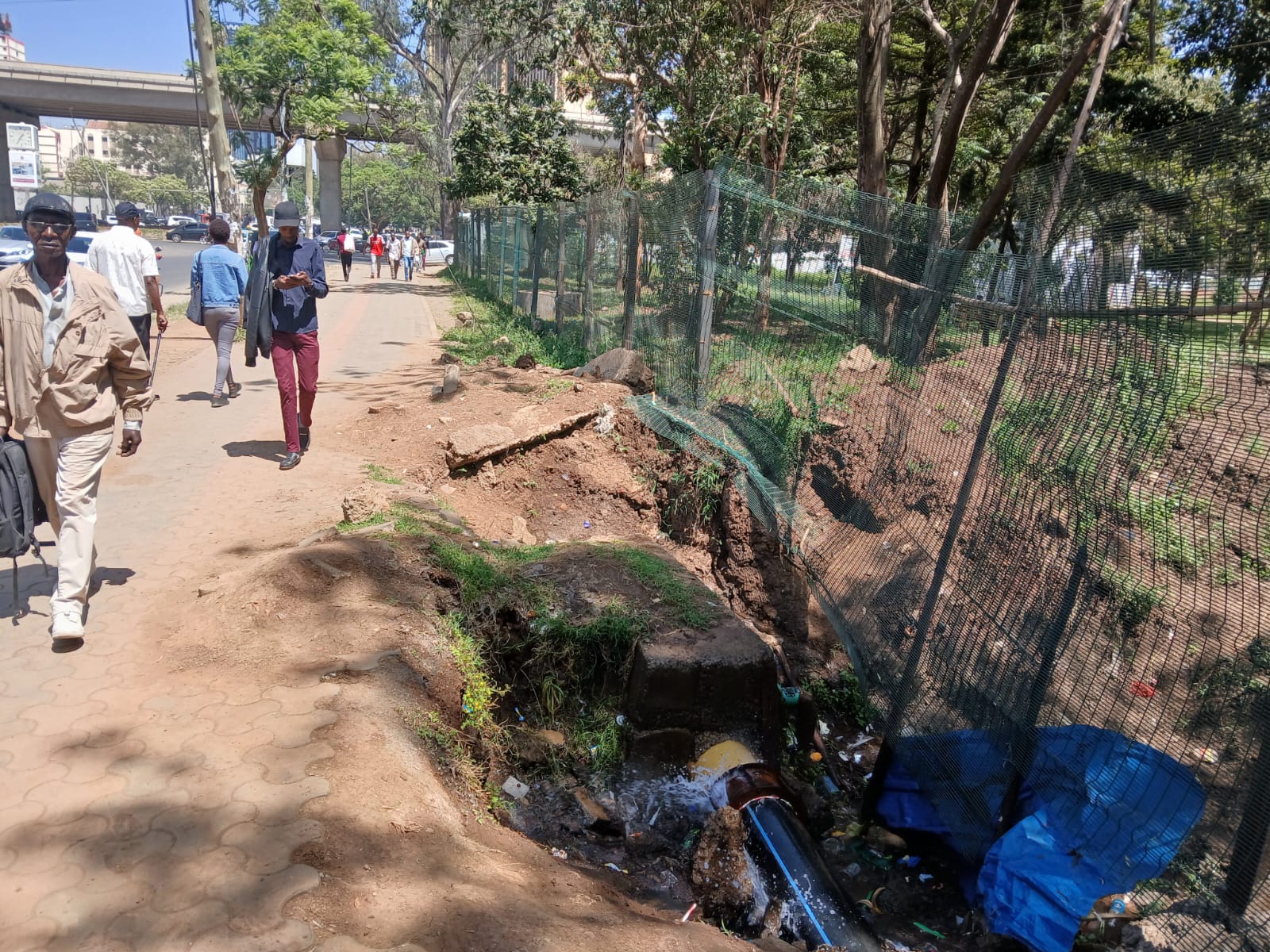
Water is life—or so we are told. Yet in Nairobi, taps run dry regardless of rain or sunshine. Rationing has become a way of life, supplemented by water tankers and mkokoteni vendors.
Water that once flowed freely from the City Council is now only a nostalgic memory. Worse still, residents are advised to boil or treat water—raising doubts about whether it is treated at all.
Since devolution began in 2012, Nairobi County has received KSh 190.8 billion from the National Treasury, yet it still cannot provide reliable water. Where has all this money gone?
Establish the Source of Backdoor Beef Supply
Another worrying anomaly plaguing city eateries—especially low- and mid-level establishments—is suspiciously cheap meat.
Spot checks by Daily News Kenya-International established that much of this meat enters through the back door, supplied by briefcase vendors and lacking the mandatory Kenya Meat Commission (KMC) stamp. Consumers complain of rubbery, tasteless meat and frequent stomach complications.
This malpractice extends beyond beef to chicken, fish, sausages, bacon, and even eggs—some of which reveal disturbing black spots around the yolk when boiled.
So who will save wananchi from dishonest and greedy merchants of suspect food? Health inspectors are accused of collecting brown envelopes and turning a blind eye to glaring health hazards.
Face to Face with Giant Rodents at Koja Mosque
Where have the giant rats invading Nairobi come from?
At Koja Mosque, next to open eateries, rats as large as cats can be seen boldly jumping through sewers before racing into the mosque—apparently after feasting in nearby hotels.
The problem is even worse at the overcrowded bus station, where rodents compete with cockroaches and flies in filthy eateries—ticking time bombs for disease outbreaks.
The group Friends of a Clean Nairobi has appealed to Governor Johnson Sakaja to clean up the bus station as he has done with major streets.
“Do not wait for a cholera outbreak before you act,” the group warned.
Noise Pollution Is Getting Out of Hand
Nairobi’s reputation as the Green City in the Sun is slowly fading. While Governor Sakaja’s beautification projects—marble pavements, lighting, and recreational spaces—are commendable, they are being undermined by unbearable noise pollution.
Endless matatu hooting and touts screaming routes and fares create needless chaos. Most commuters already know their stages and costs. Simple route banners would suffice.
Businesses are now complaining of serious noise pollution that city authorities must urgently address.
Concern Reach:
📞 0703 633 820 | 0708 425 637 | 0782 068 181
📧 dailynewskenya0@gmail.com
[DNK-International@January 12, 2026]