DNK International
 By XAVIER LUGAGA
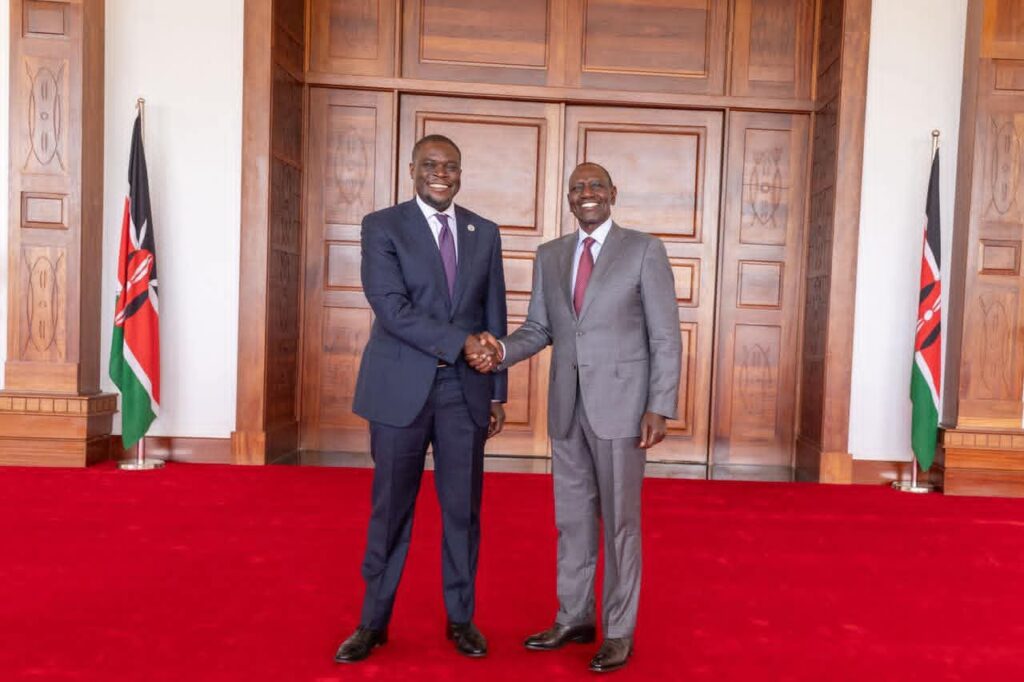
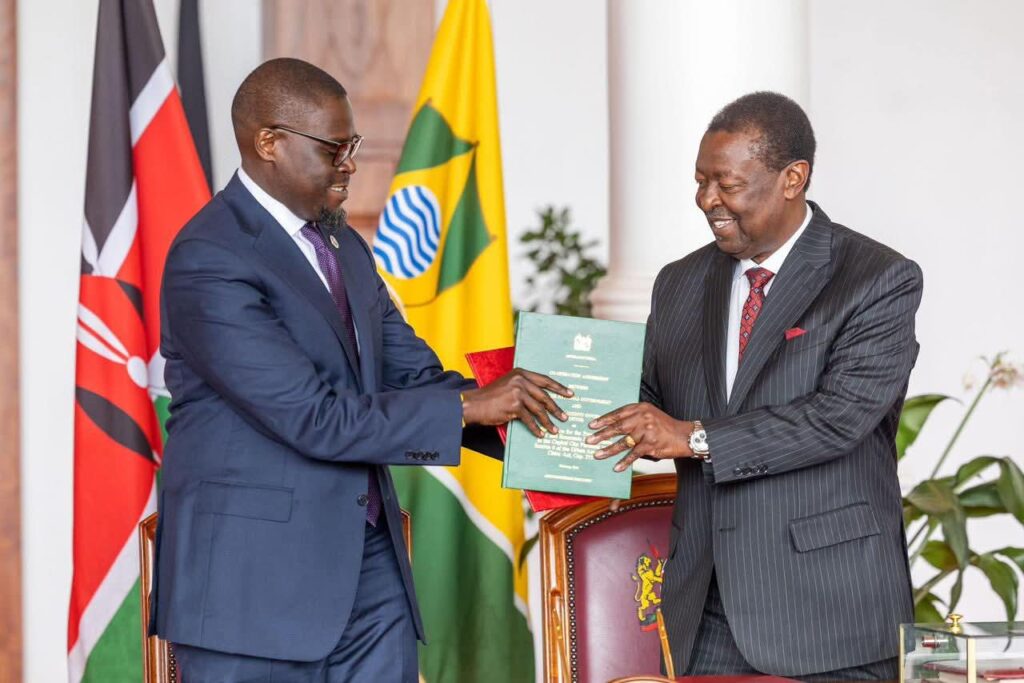
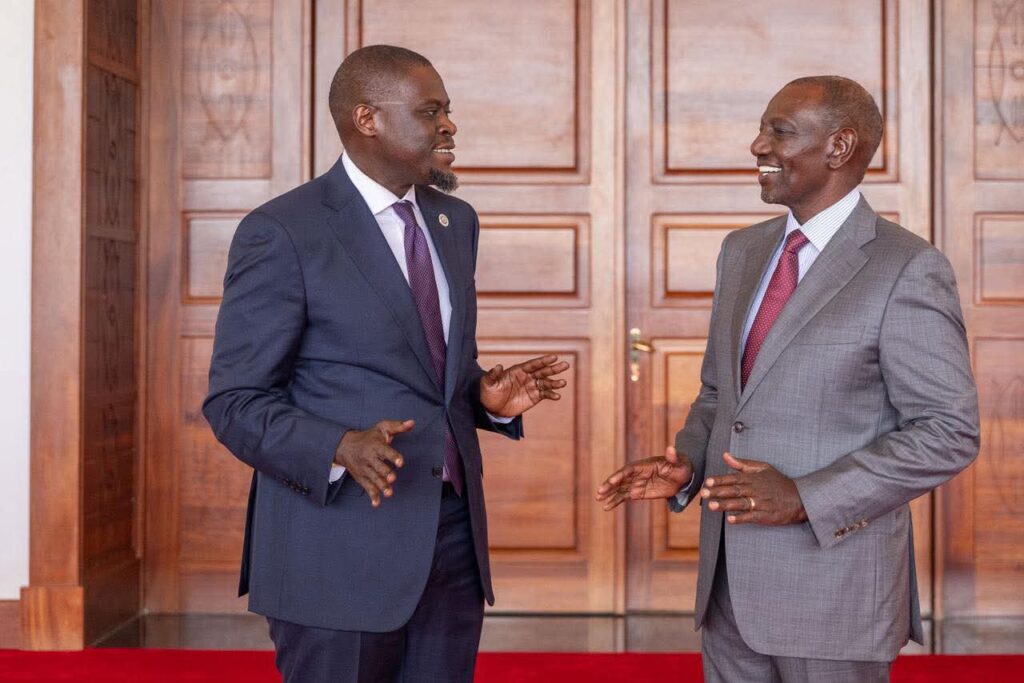
In a moment heavy with political irony, President William Ruto has signed a new functional agreement with Nairobi Governor Johnson Sakaja — an arrangement that critics say closely mirrors the very structure he fiercely opposed during the 2022 campaigns.
For many Kenyans with long political memories, the scene felt like déjà vu.
Not long ago, Ruto stood on campaign platforms denouncing the Nairobi Metropolitan Services (NMS), the administrative unit established under former President Uhuru Kenyatta to take over key functions of Nairobi County.
He described it as an affront to devolution — a central government intrusion into county autonomy. His allies amplified the message. Among them was now Interior Cabinet Secretary Kithure Kindiki, who framed NMS as evidence of what they called the “militarisation” of Nairobi.
The message was clear: NMS was wrong. It was unconstitutional in spirit. It undermined the will of Nairobi voters.
The Political Turn
Fast forward to today.
The newly signed agreement between State House and City Hall formalises national government involvement in critical Nairobi functions — a structure many analysts say bears striking resemblance to NMS in both spirit and execution.
The difference now is not structural — critics argue — but political ownership.
“This is NMS by another name,” observed one governance expert. “The only thing that has changed is who is signing the papers.”
Supporters of the President insist the arrangement is not a takeover but a collaborative framework meant to enhance service delivery. They argue that Nairobi’s unique status as the capital demands deeper coordination between the two levels of government.
But opponents see contradiction.
From Opposition to Implementation
The President’s critics point out that what was once condemned as overreach is now defended as necessity. What was labelled a central intrusion is today framed as partnership.
Political observers say this shift highlights a recurring reality in Kenyan politics: opposition rhetoric often gives way to governing pragmatism once power is secured.
During the campaigns, Ruto capitalised on public resentment toward the NMS structure. He presented himself as a defender of devolution. Now, as Head of State, he presides over an arrangement many believe replicates what he once rejected.
The Bigger Question
At stake is more than political consistency.
The debate now revolves around the integrity of campaign promises and the evolving meaning of devolution in Kenya.
Has the President pragmatically adapted to the realities of governing a complex capital city?
Or has he embraced the very blueprint he once told Kenyans to resist?
As the ink dries on the agreement, Nairobi residents are left less concerned with political irony and more focused on results — cleaner streets, better roads, improved services.
Yet politically, the optics are unmistakable.
In the theatre of power, yesterday’s outrage can become today’s policy — especially when the stage belongs to the same actor.
[DNK-International@February 17,2026]