DNK International
 By XAVIER LUGAGA,Nairobi.
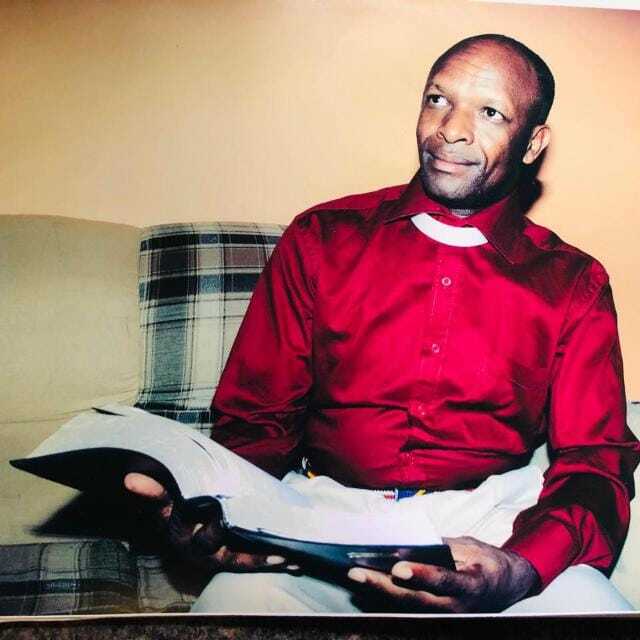
At a time when newsroom tensions often trigger abrupt dismissals and bruised egos, Waruru Wachira has chosen a different path at Royal Media Services,one defined not by firings, but by strategic reshuffles.
In recent weeks, Royal Media has undergone internal realignments that would ordinarily spark anxiety within any newsroom.
Reporters and editors have been reassigned to different beats, desks, and roles.
Yet unlike the corporate reflex that often equates restructuring with job losses, Wachira opted for redeployment over redundancy.

The decision, insiders say, was deliberate.
Rather than wield authority as a blunt instrument, the editorial leader approached the situation like a seasoned coach studying his squad.
Just as a good football manager reshuffles players to strengthen weak flanks or tighten the midfield, Wachira assessed capacity, temperament and institutional needs before making changes.
“He did not act out of ego,” said one senior journalist who requested anonymity.

“He looked at the bigger picture. The question was not who had offended whom, but where each person could perform best.”
The analogy of coaching is fitting. In competitive sports, reshuffling is not punishment; it is strategy.
A striker may be pulled back to reinforce midfield.
A defender may be pushed forward when the team needs pace.
The objective remains collective success.
That same logic appears to have guided Royal Media’s editorial restructuring.
While the reshuffle initially generated tension as any change inevitably does operations across the company’s radio, television and digital platforms have continued uninterrupted.

Bulletins air on time. Programmes run seamlessly. Deadlines are met.
Morale, according to several newsroom staff, remains upbeat despite the adjustment period.
Some of the reassigned journalists are still acclimatising to new beats and editorial expectations.
Learning curves are evident.
But the absence of mass dismissals has sent a powerful signal: performance management can coexist with institutional loyalty.
In many media houses, leadership decisions are sometimes coloured by personality clashes or internal politics.
At Royal Media, however, the message from the top has been one of rational recalibration rather than retribution.
Leadership experts often argue that effective editors must balance firmness with foresight.
By choosing to redeploy rather than dismiss, Wachira appears to have demonstrated both.
His approach underscores a principle frequently forgotten in high-pressure newsrooms that talent is an asset to be repositioned, not discarded at the first sign of friction.
The coming weeks will determine how quickly the reshuffled team fully settles into its new formation.
But for now, Royal Media continues to operate normally, navigating internal change without implosion.
In an industry where ego can easily overshadow judgment, the episode offers a simple moral: leadership grounded in logic, not pride, strengthens institutions.
And like any good coach who trusts his bench and adjusts his formation wisely, Waruru Wachira has shown that sometimes the strongest move is not to send players off the field but to place them where they can score best.
[DNK-International@February 13,2026]