DNK International
 By Our Correspondent,Maralal
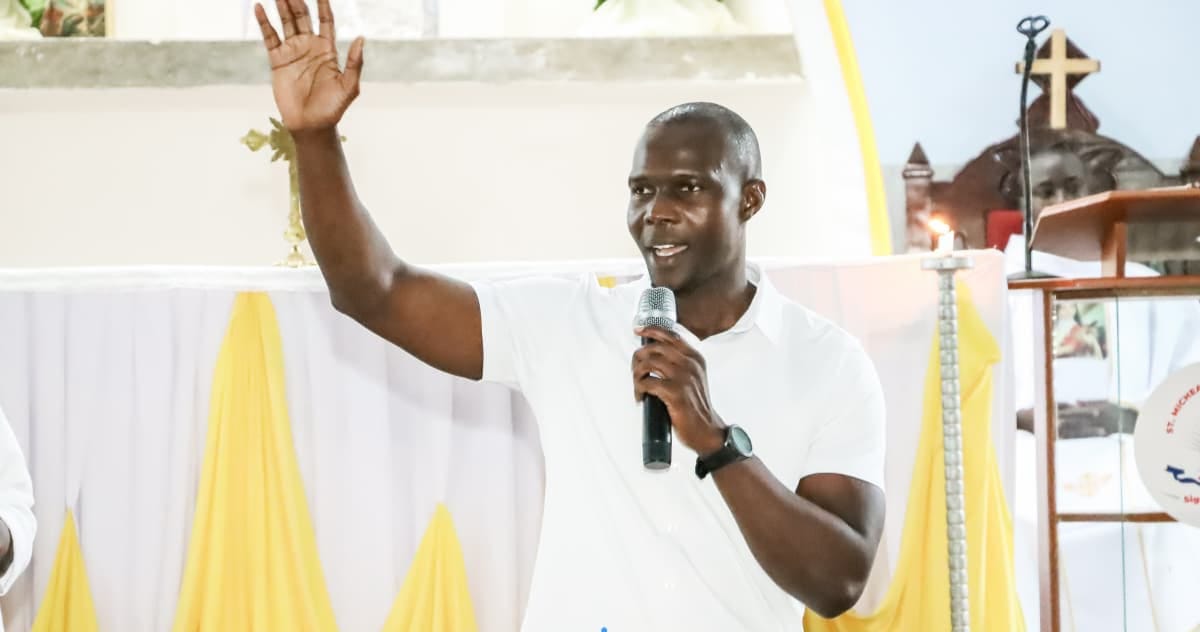
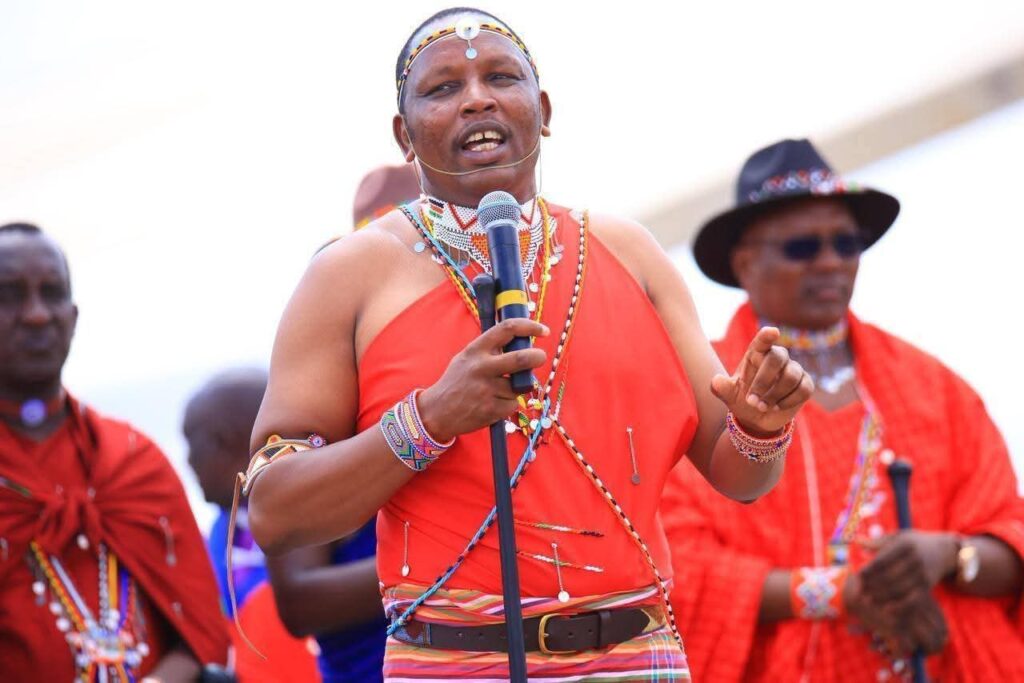
Samburu Governor Jonathan Lati Lelelit has recently found himself at the center of national attention following a dramatic standoff with the Senate, shining a spotlight on his personal journey, leadership style, and the mounting political pressures surrounding his administration.
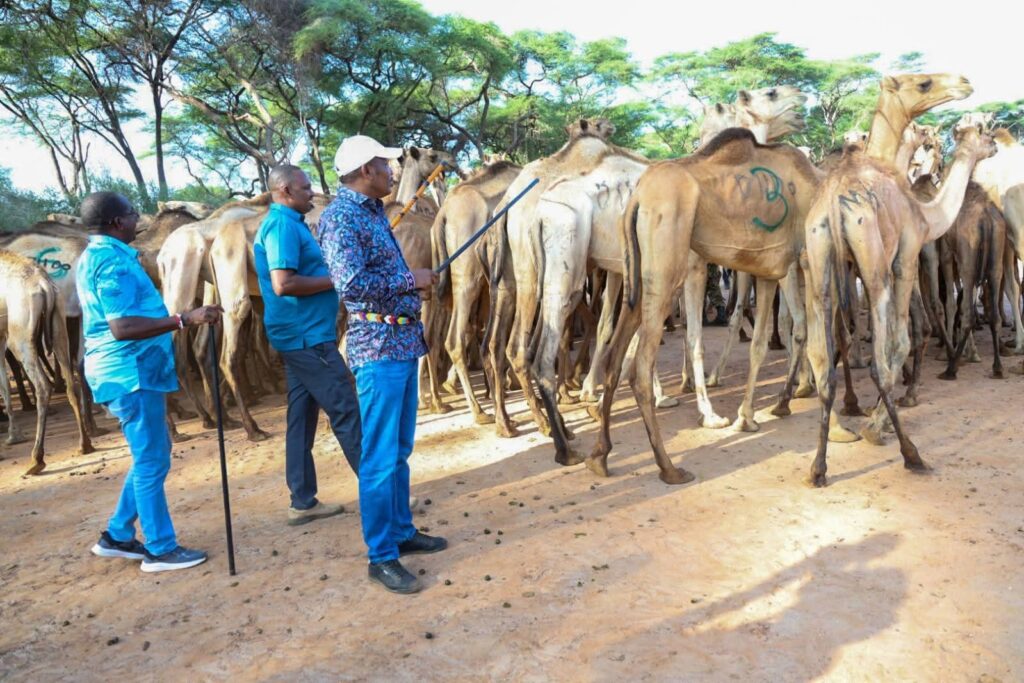
Lelelit was born in Samburu County and grew up in a modest pastoralist background that shaped much of his worldview and leadership approach.
His early life in the arid region exposed him to the challenges of marginalization, limited access to education, and underdevelopment factors that would later influence his political agenda.
Lelelit pursued higher education at Egerton University, where he studied Environmental Science.
His academic training equipped him with expertise in natural resource management, a key issue in Samburu County where conflicts over land and water are common.
He further undertook professional training in leadership, governance, and public administration, both locally and internationally, sharpening his capacity for public service.
Before venturing into politics, Lelelit built a career in environmental conservation and public service.
He worked with government agencies and non governmental organizations focusing on sustainable development, wildlife conservation, and community empowerment programs.
His hands on experience in grassroots initiatives according to multiple sources that talked to DNK-International earned him recognition among local communities, particularly for advocating equitable resource distribution and resilience against climate change.
His entry into politics was largely inspired by a desire to address systemic neglect in Samburu and uplift marginalized communities.
Influenced by local leaders and elders who encouraged him to represent the interests of the Samburu people, Lelelit transitioned from activism to elective politics.
His grassroots appeal and technocratic background helped him secure the governorship, positioning himself as a reform oriented leader.
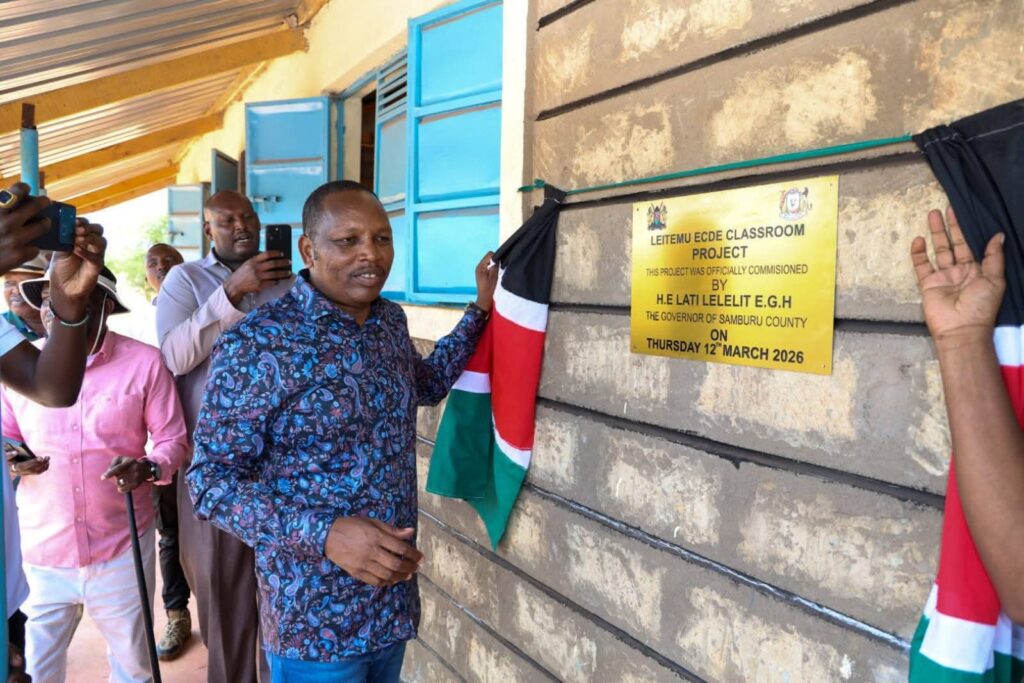
Since assuming office, Lelelit has overseen several development initiatives, including expansion of water projects, improvement of road infrastructure, and efforts to strengthen early childhood education programs.
His administration has also emphasized peace building among pastoralist communities and environmental conservation policies aimed at mitigating the effects of drought.
However, his tenure has not been without controversy.
The governor has faced persistent challenges, including allegations of financial mismanagement, political rivalries within the county, and scrutiny from oversight bodies.
These tensions recently escalated when he failed to honor Senate summons over accountability concerns, triggering a wave of criticism from lawmakers and the public.
Lelelit defended his absence, citing security concerns and what he termed as politically motivated intimidation.
Reports indicated heightened tension at his residence, with police presence reportedly deployed as police sought to enforce compliance with Senate directives.
The incident raised broader questions about the relationship between county governments and national oversight institutions.
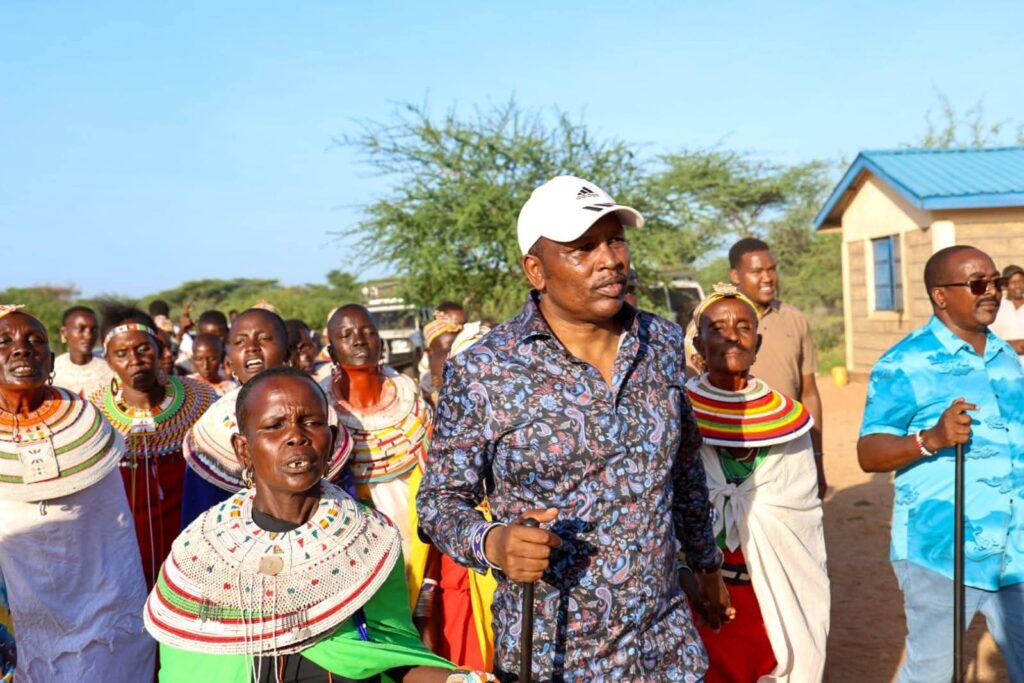
Known for his outspoken nature, Lelelit has made several memorable remarks, often framing his leadership as a fight against historical marginalization.
In past public addresses, he has insisted that Samburu “will no longer be left behind,” a statement that resonated widely among his supporters but also drew criticism from opponents who accuse him of politicizing development issues.
Despite the controversies, Lelelit remains a significant political figure in northern Kenya, with a loyal support base that views him as a champion of local interests.
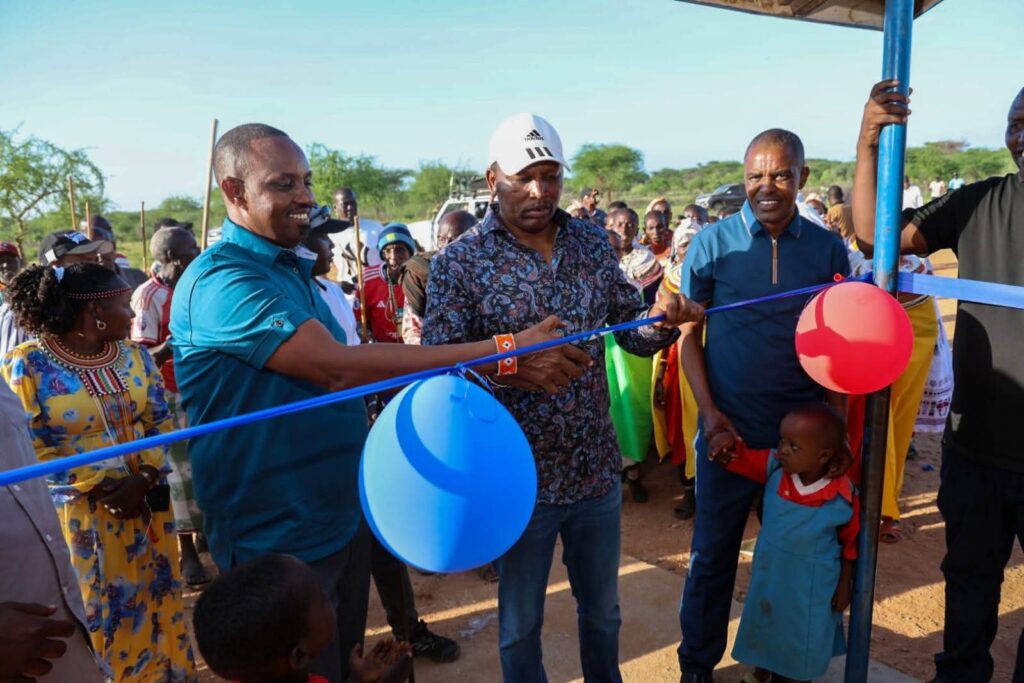
His journey from a rural upbringing to the helm of Samburu County reflects both the opportunities and complexities of devolved governance in Kenya.
As investigations and political pressure mount, the unfolding developments around his Senate standoff are likely to define the next chapter of his leadership, testing both his resilience and the strength of institutions meant to hold public officials accountable.
Want to be featured? or have a personality want to know about him or her:
📞WhatsApp: ±2540703633820,±254754168624
✉️ Email: dailynewskenya0@gmail.com
🗓️ [DNK-International@April
1,2026]