DNK International
By Our Correspondent,Manzini
King Mswati III of Eswatini is one of Africa’s longest serving monarchs, having ruled the small southern African kingdom since 1986.
He’s known for his elaborate royal ceremonies, polygamous marriages and extensive constitutional powers.
As the king he remains a central figure in the country’s political, cultural and economic affairs.
He was horn Makhosetive Dlamini on April 19, 1968, King Mswati III at the Raleigh Fitkin Memorial Hospital in Manzini, then part of the Kingdom of Swaziland, which was renamed Eswatini by the king in 2018.
He is the son of King Sobhuza II, who ruled Swaziland for more than eight decades, and one of his wives, Ntfombi Tfwala, who later became Queen Mother, known traditionally as Ndlovukati.
Mswati III ascended to the throne on April 25, 1986, when he was just 18 years old, succeeding his father, King Sobhuza II, who died in 1982.
Because Mswati was still a minor when his father died, the country was governed through a regency period involving the Queen Mother and other royal authorities until he was old enough to assume the throne.

His coronation made him one of the youngest reigning monarchs in the world at the time.
He inherited a traditional monarchy with deep cultural roots and considerable influence over the country’s political system.
As king, Mswati III serves as the head of state and custodian of Swazi traditions and customs.
His responsibilities include representing the kingdom nationally and internationally, presiding over important cultural ceremonies, appointing key government officials within the country’s political framework and exercising extensive executive authority.

Unlike constitutional monarchs whose roles are largely ceremonial, Mswati III exercises substantial political power.
Eswatini’s system combines traditional royal institutions with a modern government, but political parties are restricted from participating in parliamentary elections in the conventional manner, and the king retains decisive influence over the appointment of the prime minister and other senior officials.
The king’s powers and the country’s political system have remained subjects of debate, particularly among pro-democracy campaigners who advocate for greater political pluralism, stronger democratic accountability and constitutional reforms.
Mswati III received part of his early education in Eswatini before being sent to Sherborne School, an independent boarding school in Dorset, England.
His education abroad exposed him to an international environment before he returned home to prepare for his future responsibilities as monarch.
Although his education included military and leadership preparation, he is not widely known for having completed a university degree or for pursuing a conventional professional career outside the royal institution.
Before becoming king, Mswati was prepared for leadership through his position as heir to the throne.
His practical experience in governance developed primarily through royal duties, state functions and the responsibilities he assumed after his accession.
Unlike elected political leaders, his rise to the highest office was determined by hereditary succession rather than a competitive election.
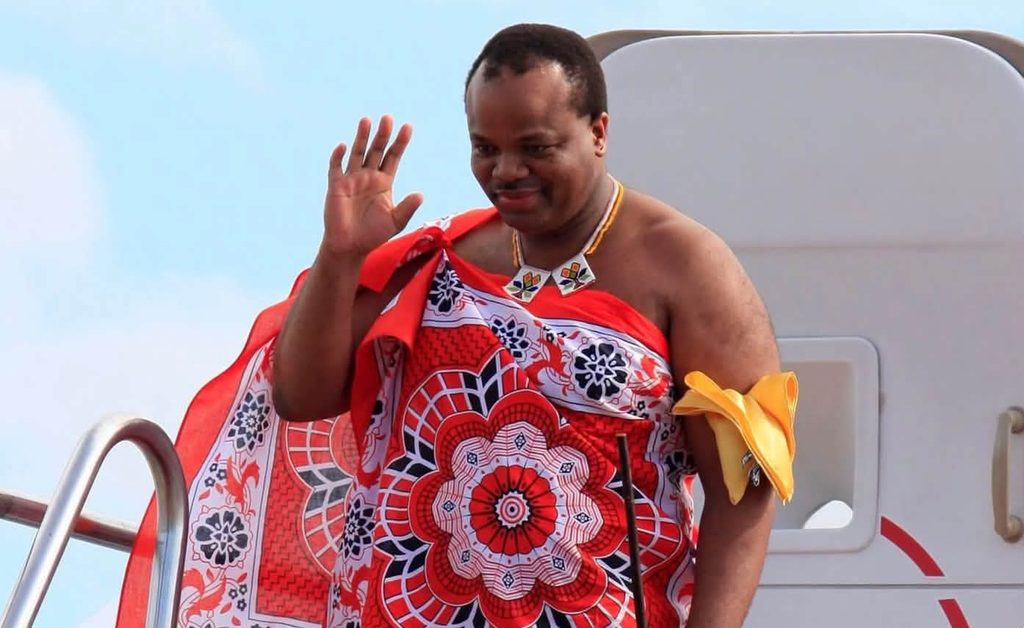
Mswati III is internationally known for his polygamous marriages, which are associated with Swazi royal traditions.
Over the years, he has married several women, with the exact number of current wives varying across published accounts because of differences in how royal marriages, engagements and former relationships are reported.
Among the women widely reported as his wives are Inkhosikati LaMatsebula, Inkhosikati LaMotsa, Inkhosikati LaMagongo, Inkhosikati LaNgangaza, Inkhosikati LaHwala, Inkhosikati LaNkambule, Inkhosikati LaMasango, Inkhosikati LaGija, Inkhosikati LaMagwaza, Inkhosikati LaNtentesa, Inkhosikati LaDube and Inkhosikati LaMashwama.
Reports about the royal household have also included other women, and the status of individual marriages has changed over time.
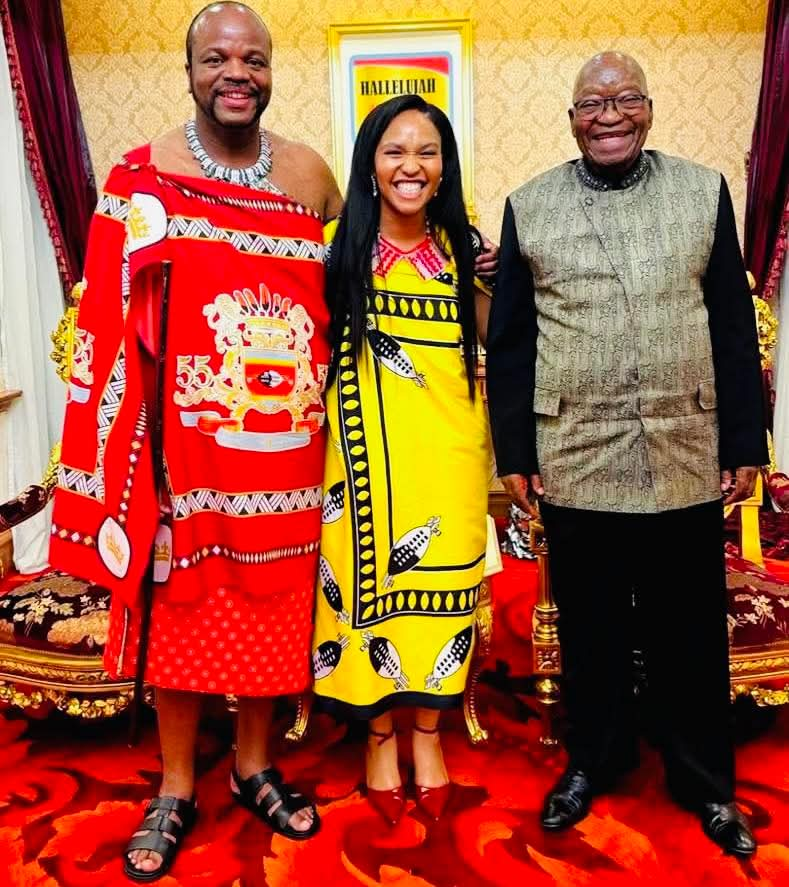
His marriage to Nomcebo Zuma, a daughter of former South African President Jacob Zuma, attracted considerable attention because it connected two prominent political and traditional families in southern Africa.
The marriage was reported in 2025.
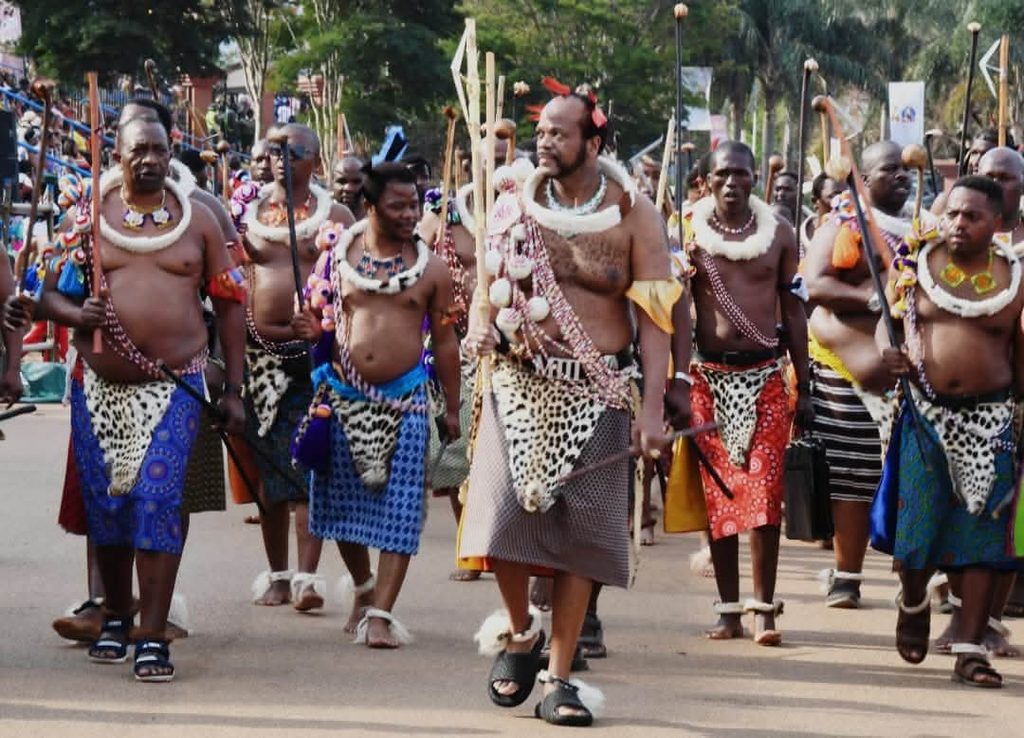
The latest reports that Mswati is expected to marry Nontokozo Shembe, daughter of the leader of South Africa’s Nazareth Baptist Church, known as Unyazi LweZulu, have again drawn attention to his marital life and the longstanding connections between royal, cultural and religious institutions in the region.
However, the proposed marriage should be distinguished from a formally confirmed wedding unless an official announcement establishes that it has taken place.
The king is the father of numerous children from his relationships and marriages.
Public reporting has commonly placed the number of his children at more than 50.
Some of his children have undertaken royal duties, while others have maintained a lower public profile.
Among his most prominent children is Crown Prince Sihlalosemusa, also known as Prince Makhosetive Dlamini.
Eswatini’s royal capital is Lobamba, where key national institutions, including Parliament and important royal establishments, are located.
Mbabane is the country’s administrative capital and a major centre of government activity.
Manzini, meanwhile, is the country’s largest urban centre and an important commercial hub.
The king’s official residence and royal institutions are associated with several locations in the kingdom, reflecting the country’s traditional system of governance and the distribution of royal and administrative functions.
His public appearances frequently take place at national ceremonies, royal gatherings and cultural celebrations.
One of the most significant events associated with his reign is the annual Umhlanga, or Reed Dance, ceremony, during which young women gather to celebrate Swazi culture and present reeds to the Queen Mother.
The ceremony has become an internationally recognised expression of the kingdom’s cultural identity and traditional institutions.
Another major national event is the Incwala ceremony, a sacred annual celebration associated with kingship, renewal and the relationship between the monarch and the nation.
Mswati III’s participation in such ceremonies reinforces his position as both a political leader and a symbolic guardian of Swazi traditions.
Supporters regard the king as a defender of national identity, cultural continuity and the country’s independence in a region where traditional institutions have undergone significant change.
His supporters also point to the monarchy’s role in preserving customs and maintaining a distinct national identity.
However, his leadership has attracted sustained criticism from opposition activists, trade unions, pro-democracy campaigners and sections of civil society.
Critics argue that political power is excessively concentrated in the monarchy, that meaningful political competition is restricted and that constitutional reforms are needed to strengthen democratic representation.
Economic inequality, youth unemployment, access to public services and the cost of living have also featured prominently in public debate.

Although Eswatini has a relatively small population and maintains close economic links with South Africa, many citizens continue to face significant socioeconomic challenges.
The king’s wealth, the costs associated with the royal household and the government’s spending priorities have also drawn scrutiny.
Supporters maintain that the monarchy plays an important role in national unity and cultural preservation, while critics question whether the political and economic system adequately responds to ordinary citizens’ needs.
In 2021, pro-democracy protests and unrest exposed the depth of divisions over governance and political reform.
The demonstrations were met with a forceful security response, and human rights groups raised concerns about deaths, injuries and restrictions on civil liberties.
The unrest intensified international scrutiny of the king’s government and renewed calls for dialogue and democratic change.
Mswati III has, in response to political challenges over the years, defended the country’s traditional system and the monarchy’s role in preserving stability and national identity.
His government has maintained that reforms must respect the kingdom’s constitutional framework and cultural traditions, although disagreements remain over the pace and scope of political change.
During his reign, Eswatini has continued to participate in regional and international institutions, including the Southern African Development Community and the African Union.
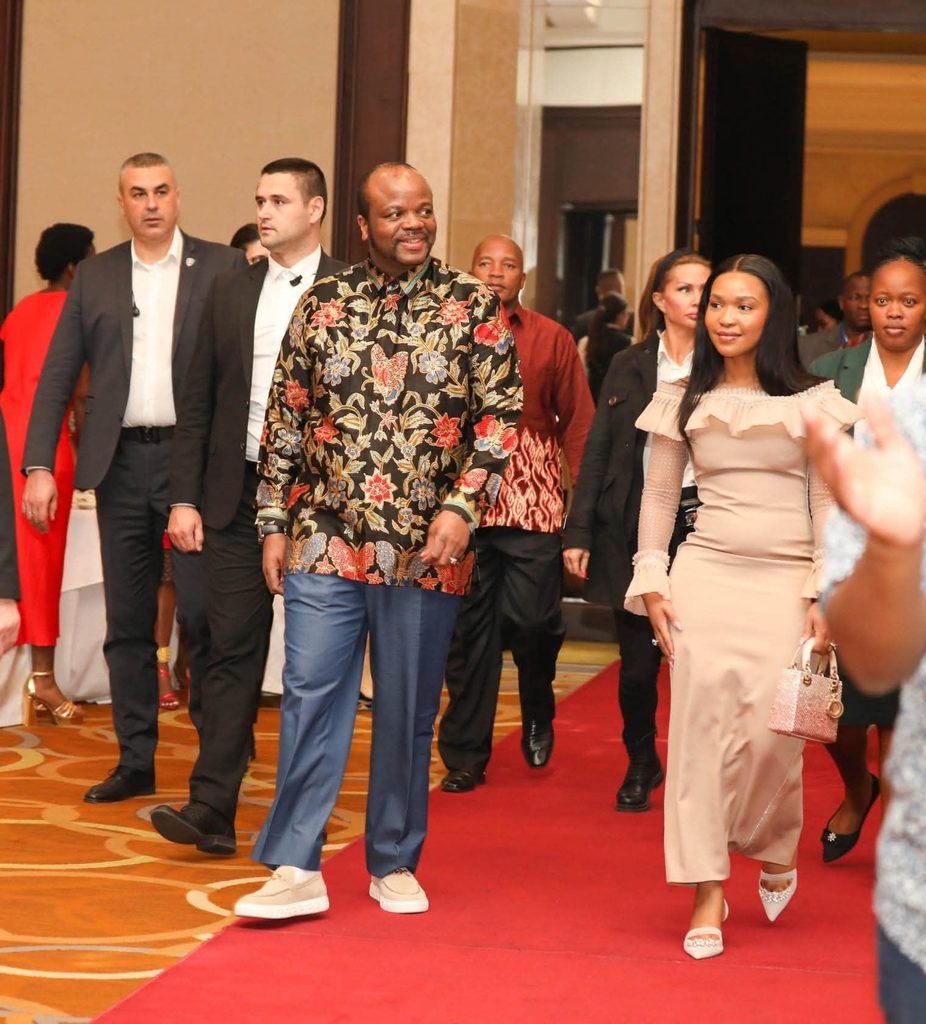
The king has also undertaken diplomatic engagements with neighbouring countries and international partners on trade, investment, development and regional cooperation.
His government has sought to attract investment and promote economic activity in sectors such as manufacturing, agriculture, tourism and services.
Eswatini benefits from its geographical proximity to South Africa and from regional trade arrangements, although its economic prospects remain closely linked to developments in the wider southern African economy.
One of the most consequential decisions of his reign came in April 2018, when he announced that the country would revert to its traditional name, Eswatini, replacing the colonial era name Swaziland.
The announcement, made during celebrations marking 50 years of independence and his 50th birthday, was presented as a reaffirmation of national identity and a break from the country’s colonial past.
The name change remains among the most memorable developments of his reign.
It reinforced his public image as a monarch keen to preserve traditional identity while asserting the kingdom’s distinct place in Africa.
Mswati III’s leadership has therefore been defined by a combination of cultural continuity, hereditary authority, diplomatic engagement and persistent political controversy.
His supporters see him as the guardian of a distinctive African monarchy, while critics view his extensive powers as an obstacle to democratic reform.
As he approaches four decades on the throne, the king continues to occupy an influential position in Eswatini’s national life.
His royal marriages, public ceremonies and international engagements attract attention well beyond the country’s borders, but the enduring question surrounding his reign remains how the kingdom will balance its traditional institutions with growing demands for political accountability, economic opportunity and broader democratic participation.
Want to be featured, or know a personality who deserves recognition?
📞 WhatsApp: +254 703 633820 / +254 754 168624
✉️ Email: dailynewskenya0@gmail.com
SUPPORT CITIZEN JOURNALISM
Help us keep independent, community-focused journalism alive.
Paybill: 222111
Account No.: 3179512
Your support helps us report, inform and amplify stories from communities that matter.
Thank you for supporting citizen journalism.
🗓️ [Daily News Kenya-International@October 29,2026]