DNK International
He survived detention under the KANU regime, fought a decade long legal battle and won a Sh20 million compensation award, yet his later years were reportedly marked by financial hardship and struggles to access medical care.
By Our Reporters Nairobi&Siaya.
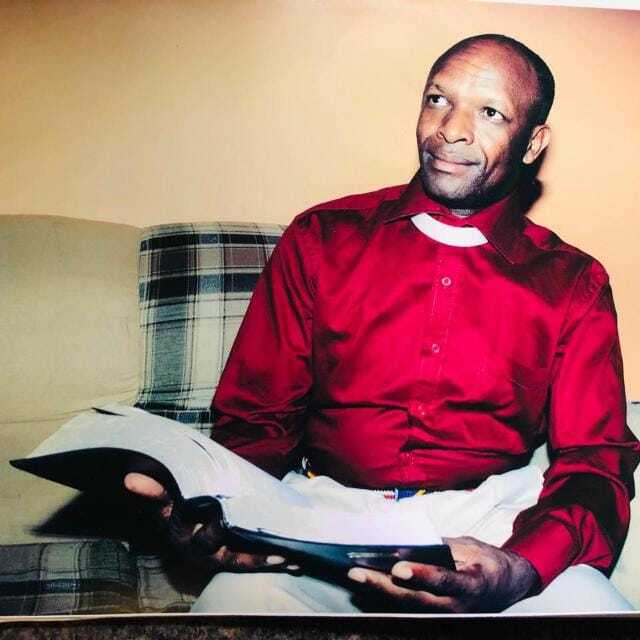
Former Alego Usonga MP Otieno Mak’Onyango, remembered for his journalism career, political activism and fight for justice following detention under the late President Daniel arap Moi’s government, has died while receiving treatment at a Nairobi hospital.
His death was announced on Sunday evening by the current Alego Usonga MP, Samuel Atandi, bringing to a close a life marked by public service, political persecution, perseverance and a prolonged quest for compensation over alleged human rights violations.
“We have this evening lost the Hon Otieno Makonyango, Former MP, Alego Usonga Constituency, while undergoing treatment at a Nairobi Hospital. May his soul rest in peace,” Atandi announced.
Born around 1946, according to reports availed to Daily News Kenya-International,which shows that he was approximately 80 years old at the time of his death.
Before venturing into politics, Mak’Onyango worked as a journalist at The East African Standard, now known as The Standard newspaper.
His career in journalism placed him within Kenya’s media industry at a time when political reporting operated under considerable pressure from the government.
However, his professional journey was abruptly interrupted in the aftermath of the failed military coup of August 1, 1982.
On August 17, 1982, Mak’Onyango was arrested at the newspaper’s offices on Likoni Road in Nairobi, following the attempted overthrow of President Moi’s government by a section of the Kenya Air Force.
Authorities accused him of involvement in an alleged conspiracy to overthrow the government, an accusation that formed part of the wider crackdown on people suspected of participating in or supporting the coup.
He was taken to the Criminal Investigation Department (CID) headquarters, while police searched his house in Buruburu and seized personal documents, including letters and his passport, according to his later court testimony.
Mak’Onyango maintained that his detention was unlawful and that he suffered physical and psychological torture while in custody.
He spent approximately four years in detention, a period that disrupted his career, affected his family life and deprived him of opportunities to establish financial security.
He was among the Kenyans detained during the Moi regime’s crackdown following the coup attempt.
Other detainees included the late ODM leader Raila Odinga, who later became Kenya’s prime minister.
Their experiences became part of the broader history of political repression that fuelled the campaign for civil liberties and the eventual restoration of multiparty democracy.
For Mak’Onyango, the consequences extended far beyond the years spent behind bars.
His journalism career was interrupted, leaving him without the professional progression and earnings he believed he would otherwise have enjoyed.
He later argued that, had his career not been disrupted, he could have continued working as a journalist until the age of 70.
The experience appears to have shaped his subsequent political journey and his determination to seek accountability for what he considered violations of his fundamental rights.
When Kenya reintroduced multiparty politics, Mak’Onyango entered elective politics and contested the Alego Usonga parliamentary seat on a Ford-Kenya ticket in the 1992 General Election.
He defeated veteran politician Peter Oloo-Aringo, who had represented the constituency since 1974, ending Aringo’s 18 year uninterrupted tenure.
His victory marked a significant political comeback for a man whose career had been derailed by detention.
He became the constituency’s fourth MP and served from 1992 to 1997, during the early years of Kenya’s multiparty political era.
He also held an assistant ministerial position, giving him an opportunity to participate in government and represent his constituents at the national level.
His election demonstrated how former detainees and political reform advocates could return to public life and compete successfully in a changing political environment.
His background as a journalist and former political detainee also gave him a distinctive perspective on governance, civil liberties and the relationship between the state and its citizens.
However, his parliamentary career lasted only one term.
Peter Oloo Aringo reclaimed the Alego Usonga seat in the 1997 General Election and retained it until 2002, bringing Mak’Onyango’s brief stint in Parliament to an end.
Although detailed public records of his individual legislative achievements remain limited, his political journey formed part of the broader transformation of Kenyan politics during the transition from one party rule to multiparty democracy.
His relatively short tenure, however, meant that he had limited time to consolidate his political influence and pursue a longer legislative agenda.
After leaving Parliament, Mak’Onyango continued to pursue justice over his arrest and detention.
In 2003, he filed a lawsuit against the government, seeking compensation for what he maintained were unlawful actions that violated his fundamental rights and destroyed his professional prospects.
The case sought to hold the state accountable for his alleged torture, prolonged detention, loss of employment and the lasting consequences of his arrest.
Mak’Onyango argued that his ordeal had deprived him of years of professional earnings and opportunities he would otherwise have enjoyed.
In a remarkable demonstration of perseverance, he represented himself during the lengthy legal proceedings.
Former PM Raila Odinga, who had also been detained following the 1982 coup attempt, was among the witnesses who testified in support of his case.
After nearly a decade of litigation, the High Court delivered a major victory on June 15, 2012.
Justice Kalpana Rawal awarded Mak’Onyango Sh20 million in damages after finding that his constitutional rights had been violated.
The former legislator had reportedly sought Sh2 billion, arguing that his detention, alleged torture, loss of employment and years of missed professional opportunities had caused immense damage to his life.
The Sh20 million award represented significant legal recognition of the suffering he had endured.
However, the judgment did not immediately translate into the financial relief he had anticipated.
By May 2014, Mak’Onyango was reportedly still struggling to access the compensation.
A report published by The Standard newspsper described him as living in a modest two room structure on a friend’s compound on the outskirts of Ngong, in Kajiado County.
The report said the compensation, including accrued interest that had brought the amount to approximately Sh24 million, remained unpaid at the time.
The contrast was striking: a man who had won a multimillion shilling judgment against the state was struggling to afford food and medication.
In the 2014 interview, he described his predicament in words that captured the frustration of a person whose legal victory had not changed his circumstances.
“I survive by the grace of God,” he told The Standard.
He also lamented the difficulty of living in such circumstances despite being awarded millions of shillings in compensation.
His reported words, “I have been boxed here,” reflected his sense of being trapped by circumstances that he believed should have changed following the court ruling.
Mak’Onyango said he regularly contacted the Attorney General’s office and wrote to the then Attorney General, Githu Muigai, seeking payment.
The prolonged wait meant that the compensation he had pursued for years could not immediately provide the financial security he needed.
His experience became an illustration of the difficulties faced by victims of historical human rights violations who win court cases but struggle to secure timely enforcement of the resulting judgments.
His case also raised questions about the effectiveness of legal remedies when successful claimants remain unable to access the compensation awarded to them.
Reports published during his lifetime documented serious financial hardship, difficulty obtaining medication and frustration over delayed compensation.
His story was not simply that of a former MP who won millions in court but remained impoverished. It was also about the gap between a legal declaration of justice and the actual delivery of that justice to the person who won it.
A 2019 report cited in later coverage indicated that he had complained about surviving on a monthly pension of approximately Sh8,000.
He also reportedly called for improvements to retirement benefits for former MPs, arguing that many former lawmakers faced financial insecurity after leaving office.
These concerns suggested that his later public advocacy extended beyond his personal compensation case to the broader question of how Kenya treats people after their years in public service have ended.
Mak’Onyango’s final days were reportedly marked by declining health.
Reports published following his death said he suffered a stroke on October 3, 2026, and was initially admitted to a hospital’s High Dependency Unit (HDU) in Ngong before being transferred to Nairobi Hospital.
Well wishers reportedly organised a fundraising appeal to help meet his hospital expenses.
He died on the night of Sunday, October 25, while receiving treatment.
Detailed information about his funeral arrangements had not been established in the initial announcements.
A man who had spent years pursuing compensation for the suffering he said he endured in state custody was, in his final days, reportedly dependent on assistance to meet medical costs.
Following news of his death, leaders paid tribute to his contribution to Alego Usonga and Kenya’s political history.
Atandi described him as a former leader whose name would remain part of the constituency’s history and extended condolences to his family, friends and residents.
ODM leader Oburu Oginga also mourned him, describing him as a champion of political pluralism and a figure who had made sacrifices for Kenya’s democratic freedoms.
Oburu referred to him as a “steadfast hero of our second liberation”, recognising his place in the wider struggle against authoritarian rule.
The tributes reflected the two major strands of Mak’Onyango’s public life: his service as an elected representative and the personal sacrifices associated with his detention during the Moi era.
Among his most memorable public remarks were his comments about surviving through faith, his lament that he had been boxed into difficult circumstances despite winning compensation, and his argument that the interruption of his journalism career had cost him years of potential earnings.
These statements captured the lasting consequences of political detention and the difficulties of obtaining meaningful redress.
His story also serves as a reminder that the struggle for justice does not always end when a court delivers its judgment.
For Mak’Onyango, the Sh20 million award was a legal victory, but the reported delays in accessing the money meant that the practical benefits of that victory remained elusive for years.
As Kenya mourns the former Alego Usonga legislator, his life leaves behind questions about the cost of political persecution, the enforcement of court judgments and the responsibility of the state to honour the rights of those whose freedoms were violated.
For the people of Alego Usonga, he will be remembered as the MP who ended Peter Oloo-Aringo’s long parliamentary hold in 1992.
For Kenya’s democratic history, he will be remembered as a former journalist and political detainee whose pursuit of justice continued long after his years in detention had ended.
And for those reflecting on his final years, his story is a sobering reminder that a court victory, a parliamentary title or a place in history does not always shield a person from hardship.
His life was one of resilience and public service, but also of unfinished battles, a legacy that makes his death not only a moment of mourning, but an occasion to reflect on how justice is delivered and how former public servants are treated long after they leave office.
Want to be featured? or have a personality want to know about him or her:
📞WhatsApp: ±2540703633820,±254754168624
✉️ Email: dailynewskenya0@gmail.com
SUPPORT CITIZEN JOURNALISM
Help us keep independent, community-focused journalism alive.
Paybill: 222111
Account No. 3179512
Your support helps us report, inform and amplify stories from communities that matter.
Thank you for supporting citizen journalism.
🗓️ [DNK-International@October 27, 2026]