DNK International
 By Our Correspondent,Maseno
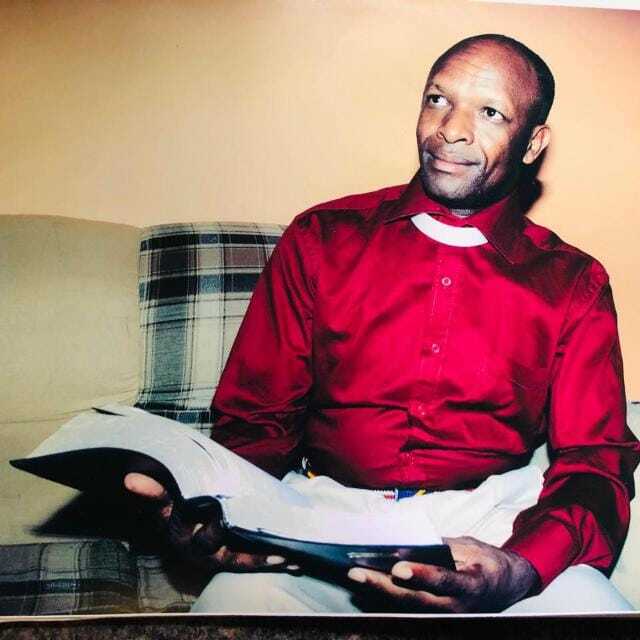
Dr Constantine Opiyo Wasonga, the National Secretary-General of the Universities Academic Staff Union (UASU), has emerged as one of Kenya’s most prominent voices in the struggle for better pay, improved working conditions and the protection of university academic staff.
An educationist, university lecturer and trade unionist, Wasonga has built his career around higher education and the representation of lecturers in negotiations with the Government and public university employers.
His leadership has placed him at the centre of national debates over salaries, staff welfare, university funding and the future of public higher education.
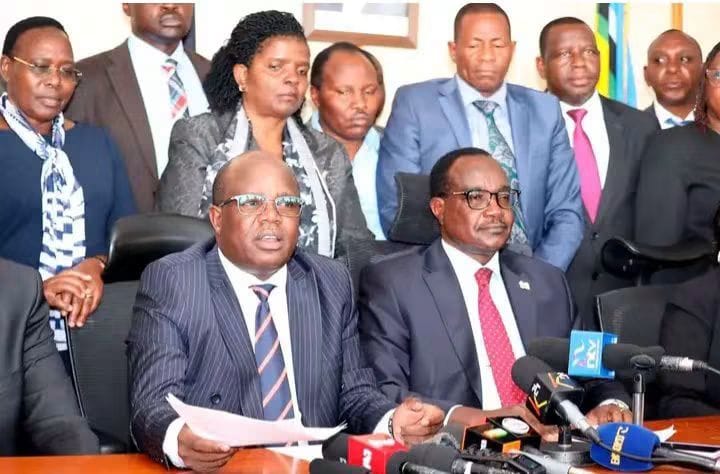
Wasonga’s academic qualifications include a Bachelor of Education in Arts, a Master of Education in Educational Administration and a PhD in Educational Administration from the University of Nairobi.
His specialisation in educational administration provided a foundation for his understanding of institutional management, academic development and the challenges facing Kenya’s education sector.
Before joining university teaching,Wasonga told Daily News Kenya-International that he worked as a secondary school teacher, including at Maseno School.
He subsequently advanced his academic career at Maseno University, where he pursued postgraduate studies and became involved in university education.
His experience in both secondary and higher education exposed him to the challenges confronting educators, including remuneration, professional development, working conditions and the need for adequately funded learning institutions.
Wasonga’s transition into trade unionism developed alongside his academic career.
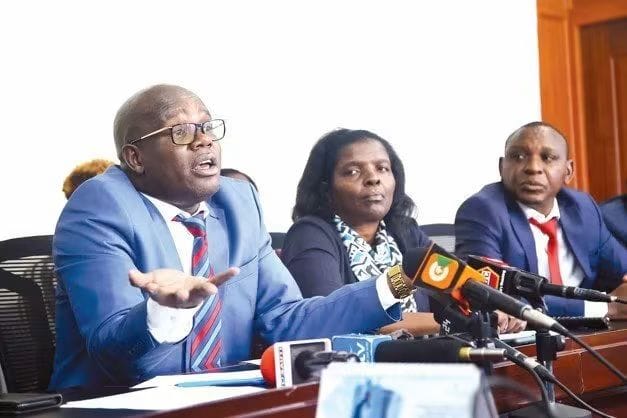
He became involved in representing university lecturers through UASU, an organisation established to defend the professional and economic interests of academic staff.
He has served as the union’s secretary-general since 2016 and secured a third consecutive term in June 2026, winning 302 votes against 169 for his challenger, Francis Odundo, in elections held in Nakuru.
Under his leadership, UASU has consistently pushed for improved salaries, payment of outstanding arrears, harmonised allowances, better medical cover, pension obligations and stronger protection of academic staff welfare.
The union has also raised concerns about understaffing, reliance on part time lecturers, academic freedom and the financial sustainability of public universities.
One of the major tests of his leadership came in 2024, when UASU and other university staff unions organised industrial action over remuneration and working conditions.
Wasonga maintained that lecturers deserved fair treatment and that signed collective bargaining agreements should be implemented.
The dispute included demands for salary adjustments, payment of outstanding benefits and improved medical cover.
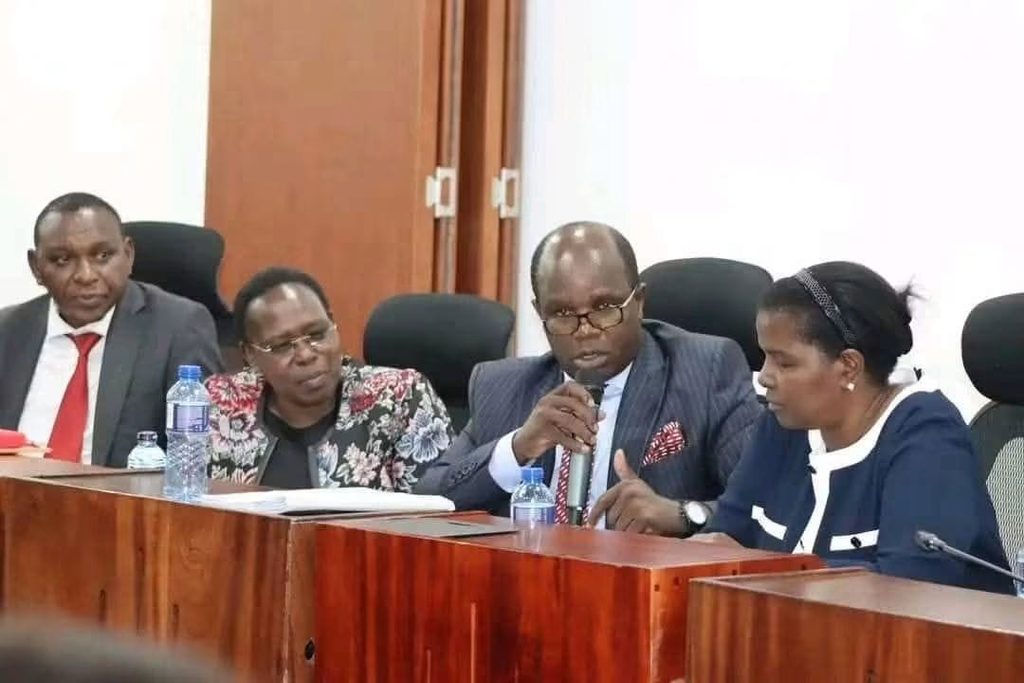
In 2025, another prolonged university lecturers’ strike ended after negotiations produced a return to work formula on November 5.
The agreement included arrangements for settling outstanding arrears under the 2017–2021 Collective Bargaining Agreement (CBA).
The dispute nevertheless exposed persistent difficulties in implementing agreements after they had been signed.
The latest industrial dispute has further elevated Wasonga’s national profile.
On October 2,2026, university lecturers began another nationwide strike following a deadlock over the 2025–2029 Collective Bargaining Agreement.
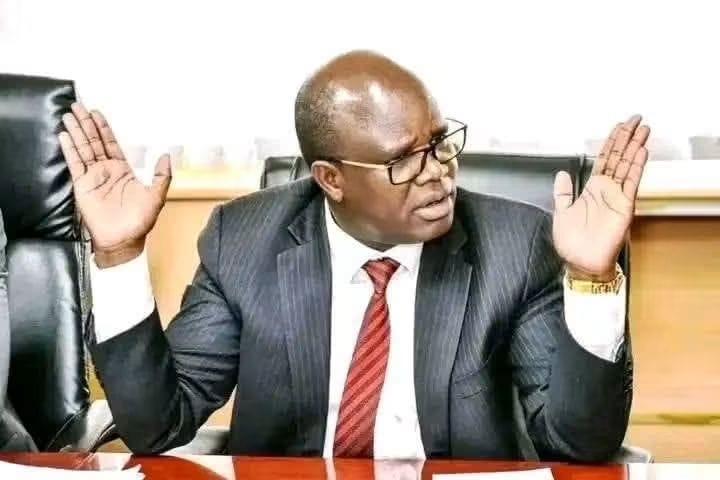
UASU accused university councils, the Ministry of Education and the National Treasury of failing to honour the previous return to work formula and provide a satisfactory financial counter proposal for the new agreement.
Wasonga rejected a proposed allocation of Sh9.76 billion, arguing that it was inadequate for an agreement covering four years and incorporating additional benefits.
The union’s demands include harmonised allowances, car loans and mortgage benefits, an acceptable salary package and a clear commitment by the Government to finance the agreement through the National Exchequer.
UASU has also called for the recruitment of more permanent academic staff, reduced dependence on part time teaching and protection of experienced academics from premature retirement.
Wasonga has argued that universities should retain qualified and experienced scholars instead of losing them while institutions continue to struggle with staff shortages.
His concerns over the retirement of experienced academics were captured in his memorable statement: “It takes decades to produce a professor.”
The remark underlined his argument that the development of senior academics requires years of education, research, teaching and professional experience, making their premature departure a loss to universities and the country.
The Government, however, has urged lecturers to return to work while negotiations continue.
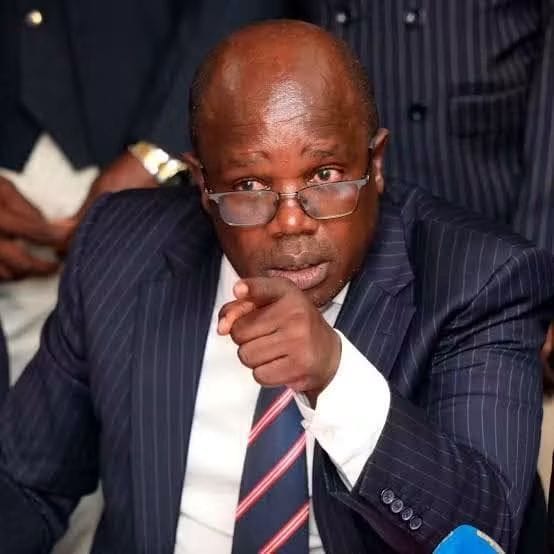
Education Cabinet Secretary Julius Ogamba has cited court orders suspending the strike and maintained that outstanding issues should be resolved through dialogue.
The disagreement has highlighted the difficult balance between protecting lecturers’ labour rights and ensuring that students complete their studies without prolonged disruption.
Wasonga’s proposals for ending the current dispute centre on concluding and implementing the 2025–2029 agreement, securing a credible financial commitment from the Government, addressing outstanding staff welfare concerns and establishing a reliable mechanism for implementing future collective bargaining agreements.
A lasting settlement will require cooperation among UASU, university employers, the Ministry of Education, the National Treasury and other relevant authorities.
According to UASU’s official website, the union represents 10,071 members across 40 public universities and constituent colleges.
Its membership includes graduate and research assistants, lecturers, senior lecturers, associate professors and professors.
This broad representation gives Wasonga a substantial constituency in negotiations over employment conditions and the future of university education.
Beyond salaries, his leadership has focused on the need for sustainable university financing, adequate staffing and protection of academic standards.
The union has argued that public universities require dependable funding to meet their obligations to employees, maintain research programmes and provide quality education to students.
Following his re-election in June 2026, Wasonga called on union officials to serve members without fear.
He has also spoken against what he considers external interference in UASU’s internal affairs, maintaining that union members should determine their own leadership and priorities.
His approach has made him a prominent figure in Kenya’s labour movement, particularly whenever disputes between university lecturers and the Government threaten to disrupt learning.
Supporters regard him as a firm defender of lecturers’ rights, while critics concerned about prolonged strikes expect union leaders and the Government to find solutions that protect students from repeated academic interruptions.
As he continues to lead UASU, Wasonga faces the challenge of translating industrial action and negotiations into tangible improvements in lecturers’ pay, benefits and working conditions.
His leadership will ultimately be judged by the agreements he helps secure, the extent to which those agreements are implemented and whether public universities can achieve greater financial stability and uninterrupted learning.
For Wasonga, the central question remains whether Kenya can sustain a university system that adequately rewards academic staff, retains experienced scholars and delivers quality education without recurrent industrial disputes.
Want to be featured, or know a personality who deserves recognition?
📞 WhatsApp: +254 703 633820 / +254 754 168624
✉️ Email: dailynewskenya0@gmail.com
SUPPORT CITIZEN JOURNALISM
Help us keep independent, community-focused journalism alive.
Paybill: 222111
Account No.: 3179512
Your support helps us report, inform and amplify stories from communities that matter.
Thank you for supporting citizen journalism.
🗓️ [Daily News Kenya-International@October 13,2026]