DNK International
 By Our Correspondents,Kigali and Nairobi
For more than two decades, Félicien Kabuga lived as one of the world’s most wanted men,a wealthy businessman accused of financing the 1994 Rwanda genocide while evading capture through money, political connections, fake identities and an underground network that stretched across Africa and Europe.
To genocide survivors, he was not simply a businessman but a symbol of how wealth, propaganda and political extremism combined to fuel one of the darkest massacres in modern history.
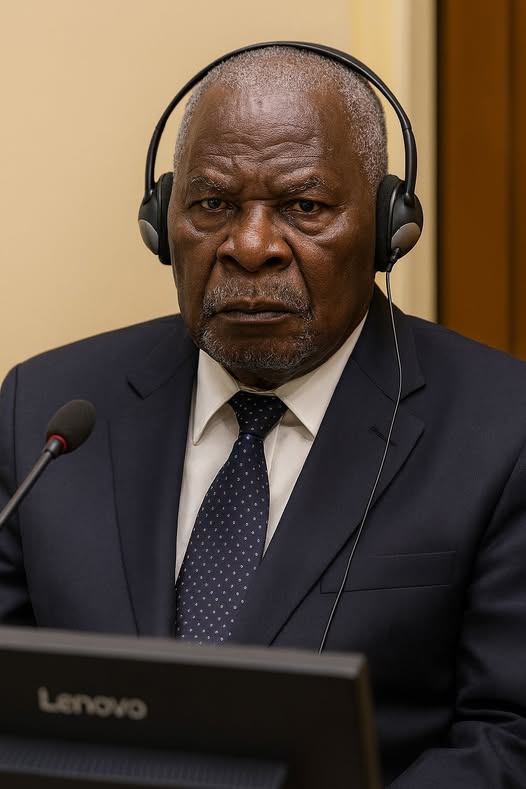
Yet despite years of international manhunts, intelligence operations and multimillion dollar rewards, Kabuga managed to disappear for 26 years before finally being arrested in France in 2020.
His death in detention on Saturday May 16, 2026 ended a life surrounded by immense wealth, political influence, controversy and accusations of mass murder.
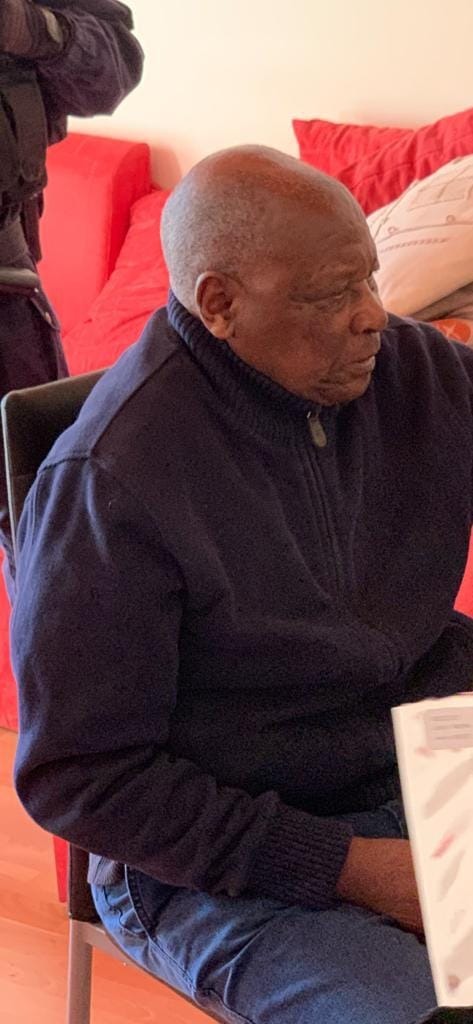
Kabuga was born on March 1, 1933, in Mukarange commune in Byumba prefecture in what was then Ruanda-Urundi under Belgian colonial rule, present day Rwanda.
He was born into a modest Hutu family and reportedly grew up in poverty after losing his father at a young age.
Unlike many members of Rwanda’s elite later in life, Kabuga did not come from privilege.
Information about his formal education remained limited and sometimes disputed, though many reports indicate he had little advanced schooling. Despite this, he developed a sharp business instinct that would eventually make him one of Rwanda’s richest men.
Kabuga began building his fortune through small trading businesses before expanding into agriculture, tea plantations, import-export ventures and real estate.
Over the years, he became deeply involved in Rwanda’s coffee and tea industries, sectors that were among the country’s largest economic lifelines.
By 1980’s and early 1990’s, Kabuga had transformed into a multimillionaire businessman with major commercial interests and influence in Rwanda’s economy.
His wealth gave him access to the country’s political elite, especially the inner circle surrounding then the late President Juvenal Habyarimana.
Kabuga married Josephine Mukazitoni and together they had 11 children.
His family ties significantly increased his political influence because two of his daughters married sons of President Habyarimana, effectively placing Kabuga within the powerful Akazu network (an informal group of wealthy and influential Hutu elites closely linked to the presidency).
The Akazu group was later accused of promoting extremist Hutu ideology and playing a major role in planning the genocide.
Although Kabuga never officially served as a senior cabinet minister, military commander or top state official, prosecutors and historians argued that his power behind the scenes rivaled that of many government leaders.
He was seen as one of the financiers and strategists connected to extremist political circles.
By early 1990’s, ethnic tensions between Hutus and Tutsis had intensified in Rwanda, especially following attacks by the Rwanda Patriotic Front (RPF), a rebel movement largely composed of Tutsi refugees led by Paul Kagame who currently is Rwanda President.
According to prosecutors from the International Criminal Tribunal for Rwanda, Kabuga became one of the chief financiers of preparations for genocide.
He allegedly used his wealth and business network to support extremist militias, particularly the Interahamwe, which later carried out mass killings across Rwanda.
One of the most controversial accusations against him involved the importation of massive shipments of machetes into Rwanda before the genocide began.
Prosecutors argued that these weapons were distributed to militia groups and civilians who later participated in killings.
Kabuga was also accused of financing Radio Télévision Libre des Mille Collines (RTLM), the infamous radio station whose broadcasts spread anti-Tutsi propaganda, hate speech and calls for violence.
During the genocide, RTLM announcers openly identified people to be killed, encouraged attacks and referred to Tutsis as “cockroaches.”
Historians some who talked to DNK-International here in Kigali have described the station as one of the deadliest propaganda tools ever used in modern mass killings.
Prosecutors claimed Kabuga chaired the station’s governing committee and used his influence and money to keep it operational throughout the violence.
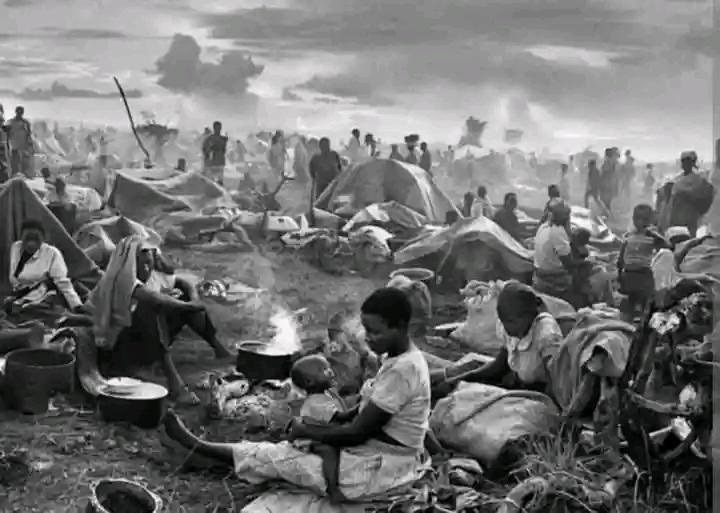
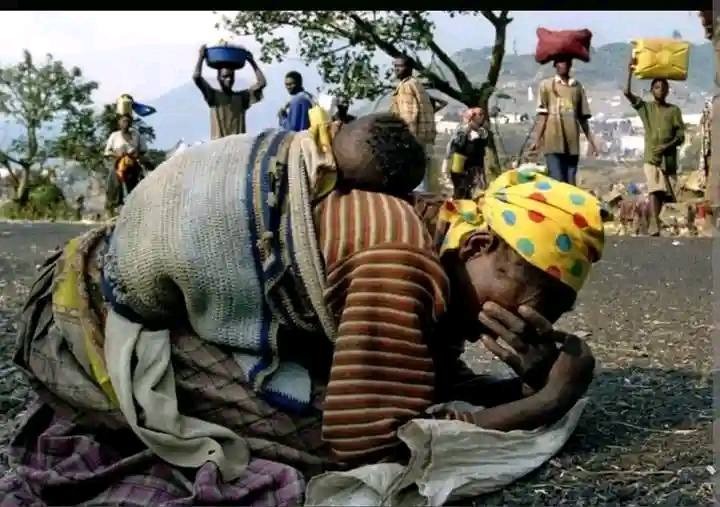
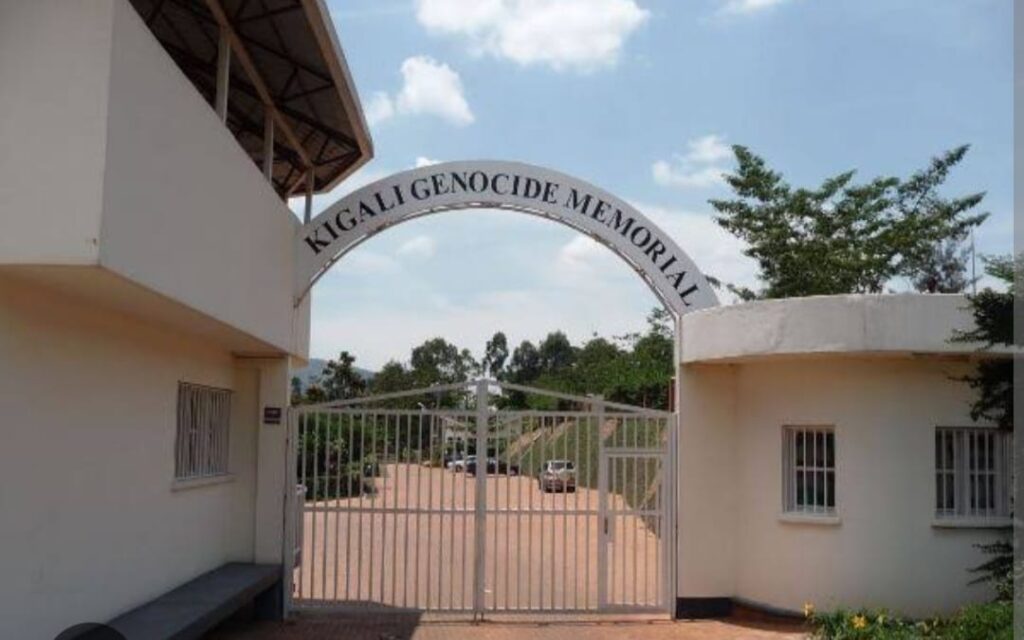
The genocide erupted in April 1994 after President Habyarimana’s plane was shot down near Kigali, triggering a wave of massacres that killed more than 800,000 people in approximately 100 days.
Tutsis and moderate Hutus were slaughtered in homes, churches, schools and roadsides across Rwanda.
As the Rwanda Patriotic Front (RPF) advanced and eventually captured Kigali in July 1994, many officials, soldiers and businessmen associated with the genocidal regime fled the country. Kabuga was among them.
His escape marked the beginning of one of the longest and most mysterious fugitive stories in Africa.
After fleeing Rwanda, Kabuga reportedly moved through several countries including the Democratic Republic of Congo, Switzerland and Kenya.
It was in Kenya where he allegedly established some of his strongest protection networks.
Investigators believed he maintained business connections, financial operations and safe houses in Nairobi while using false identities and trusted associates to evade arrest.
For years, reports suggested Kabuga lived comfortably in Kenya despite international warrants against him.
He was linked to investments in real estate, trade and commercial ventures, with claims that he used proxies and allies to hide ownership of businesses and properties.
International investigators and human rights groups repeatedly accused some influential individuals in Kenya of protecting him or frustrating attempts to arrest him.
At one point, Kenyan authorities denied he was in the country even as intelligence reports indicated otherwise.
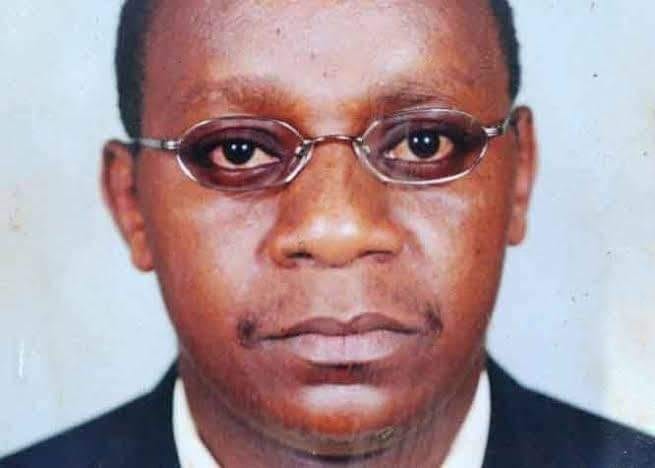
One of the lesser Known but chilling chapters connected to Kabuga’s years in Kenya involved the mysterious death of Kenyan journalist Joseph “Munuhe” Mwangi, an investigative reporter said to have been pursuing leads related to Kabuga’s presence and activities in Nairobi.
Munuhe reportedly investigated claims about networks protecting genocide fugitives and their business interests in Kenya.
Before his death, sources claimed he had spoken about threats and surveillance connected to his work.
He later died under controversial circumstances in Nairobi, with some journalists and activists suspecting foul play linked to the dangerous networks surrounding genocide fugitives, although no conclusive evidence publicly tied his death directly to Kabuga.
His death nevertheless became part of the fear and mystery surrounding efforts to expose those hiding genocide suspects in East Africa.
Meanwhile, Kabuga continued evading arrest through an elaborate system of fake passports, coded communications and loyal contacts spread across several countries.
The United States placed a reward of up to five million dollars for information leading to his arrest, making him one of the world’s most wanted fugitives.
Despite numerous raids and reported sightings in Africa and Europe, he repeatedly disappeared before authorities could capture him.
In 1997, the International Criminal Tribunal for Rwanda indicted Kabuga on multiple charges including genocide, conspiracy to commit genocide, direct and public incitement to commit genocide and crimes against humanity.
Yet years passed without success in arresting him.
Many believed his wealth enabled him to bribe officials, move secretly across borders and maintain silence among those protecting him.
Then, on May 16, 2020, the decades long hunt finally came to an end.
French authorities arrested Kabuga in Asnières-sur-Seine near Paris, France, where he had reportedly been living quietly under a false identity in a modest apartment.
The arrest shocked many because investigators had long believed he remained somewhere in Africa.
Reports indicated he had used fake documents and relied heavily on relatives and supporters to survive unnoticed in Europe.
Following his arrest, Kabuga was transferred to the custody of the International Residual Mechanism for Criminal Tribunals in The Hague, Netherlands, to face trial for genocide related crimes.
Survivors hoped the proceedings would finally expose the financial and political machinery behind the Rwanda genocide.
However, as hearings progressed, Kabuga’s health deteriorated rapidly.
Doctors reported that he suffered from dementia and severe age related illnesses, making it increasingly difficult for him to understand proceedings or participate meaningfully in his defense.
In 2023, judges ruled that he was mentally unfit for a standard trial due to advanced dementia.
Proceedings were significantly reduced and later suspended altogether, disappointing many genocide survivors who had waited decades for justice.
Kabuga remained in detention because no country agreed to receive him and the court considered him too ill for transfer elsewhere.
On May 16, 2026, exactly six years after his arrest, the UN tribunal announced that Kabuga had died in custody at the age of 93 in The Hague.
Officials stated he had been suffering from severe dementia and other age related complications before his death.
Initial reports indicated he died of natural causes linked to deteriorating health.
News of his death triggered emotional reactions across Rwanda and Africa.
Many genocide survivors expressed pain and frustration that one of the alleged masterminds behind the genocide died before a final verdict could be delivered.
Some said justice felt incomplete because victims never heard a court formally convict him.
Others, however, noted that his eventual arrest after decades on the run still sent a powerful message that genocide suspects could be pursued no matter how long they hid.
Across Africa particularly in Nairobi the capital of Nairobi commentators and online conversations reflected on how Kabuga’s story exposed the role of wealth and political protection in shielding fugitives from justice.
Human rights activists argued that his ability to evade arrest for more than 26 years revealed weaknesses in international cooperation and the influence powerful individuals can wield across borders.
To many Rwandans, Kabuga remained the face of the financial engine behind the genocide,a businessman whose money allegedly helped arm militias, spread hate propaganda and sustain one of the bloodiest massacres in African history.
Even in death, his name continued to evoke grief, anger, controversy and unanswered questions about justice, accountability and the networks that protected him for decades.
Want to be featured? or have a personality want to know about him or her:
📞WhatsApp: ±2540703633820,±254754168624
✉️ Email: dailynewskenya0@gmail.com
🗓️ [DNK-International@March 18,2026