DNK International
 By Xavier Lugaga, Busia Kenya
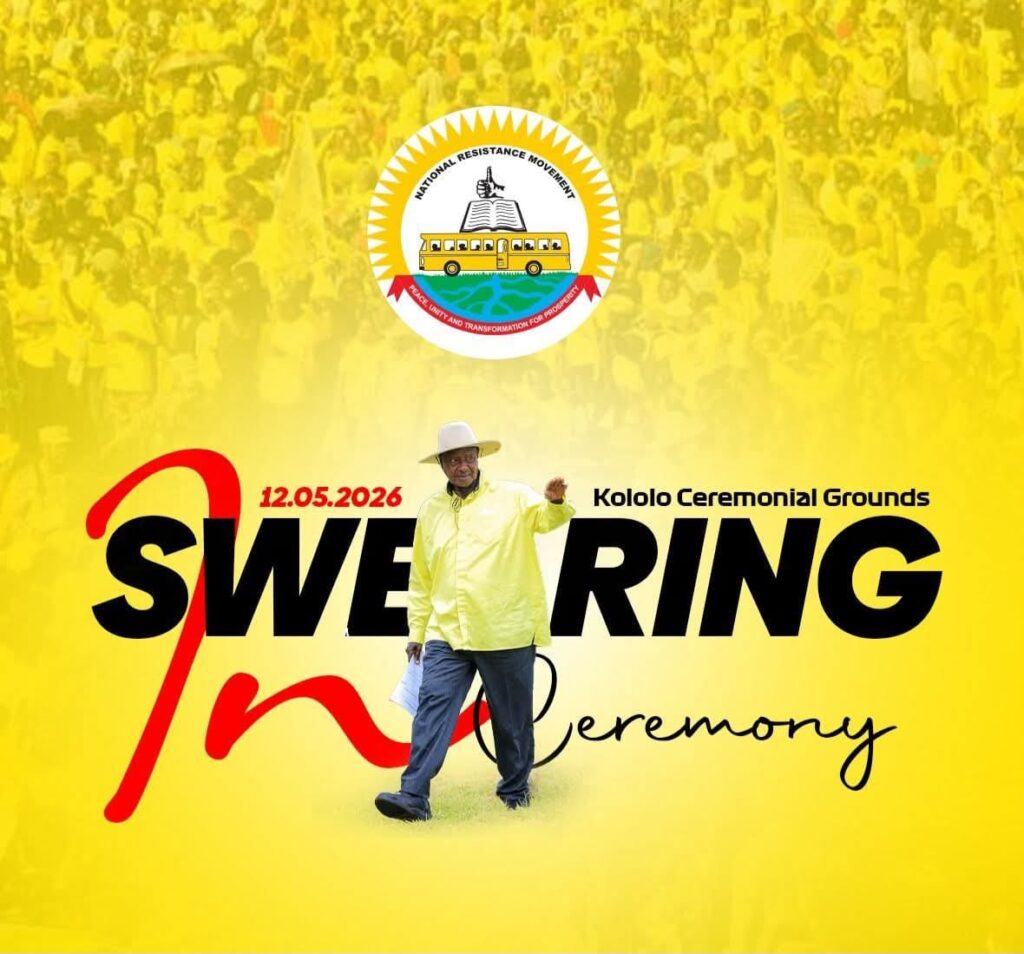
As Uganda once again turns its eyes to the historic Kololo Ceremonial Grounds for the swearing-in of President Yoweri Museveni today,the ceremony carries with it more than constitutional symbolism.
It revives memories of a revolution born in the jungles of Luweero, forged by a determined band of fighters who believed they were reshaping Uganda’s destiny.
For many Ugandans, Museveni’s oath of office is not merely the continuation of a presidency,it is the continuation of a historical legacy that began with the National Resistance Army (NRA), the guerrilla movement that fought its way to power in 1986 after years of political instability and conflict.
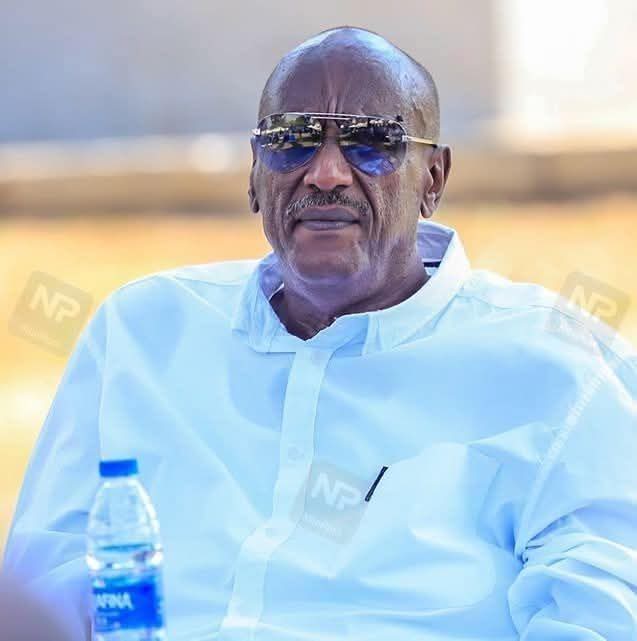
At the center of that revolution stood Museveni himself, registered as RO/0001 among the NRA’s earliest fighters.
To supporters, he became the face of resistance, discipline, and political transformation.
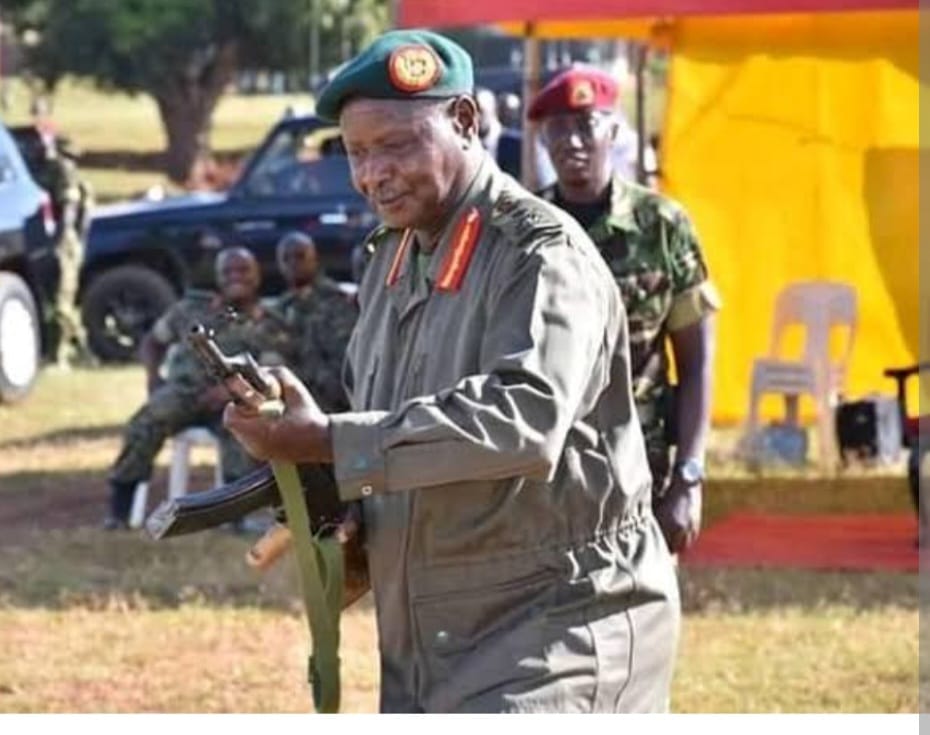
His leadership during the five year bush war united fragmented anti-government groups into a formidable liberation force that would eventually capture Kampala and establish a new government.
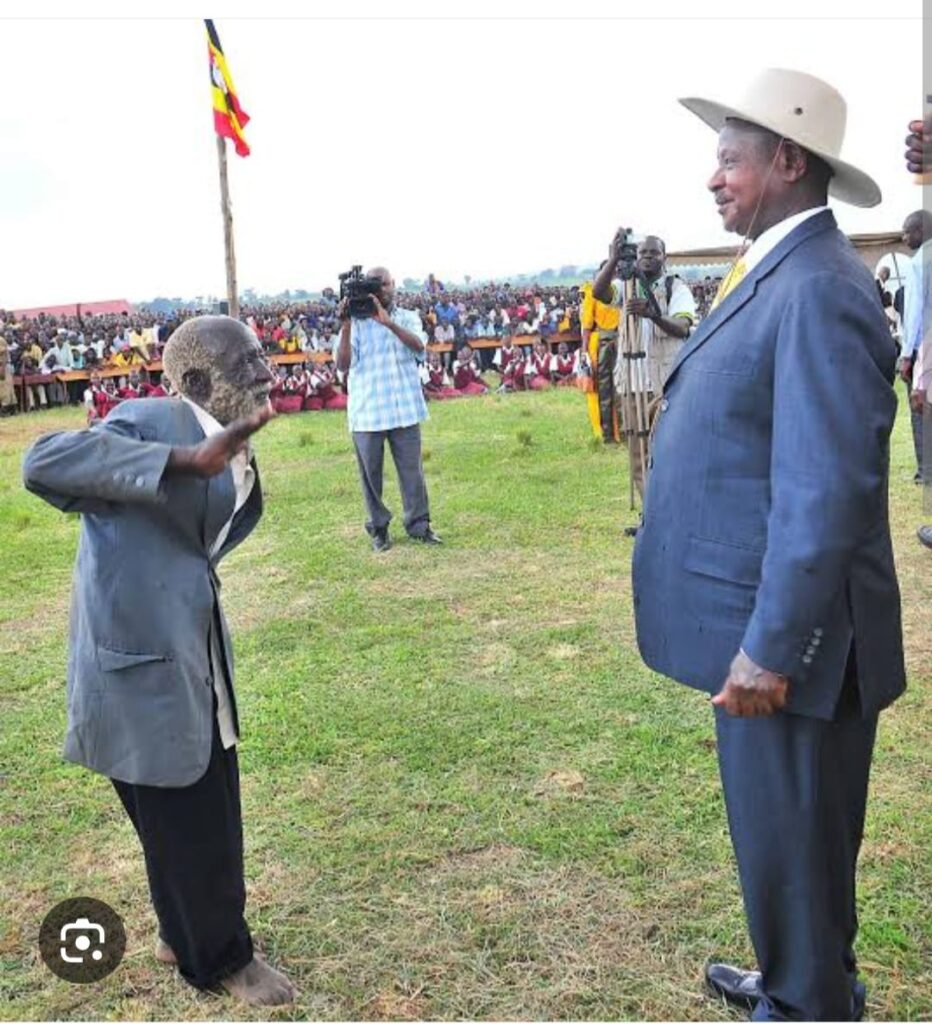
Yet the story of Uganda’s revolution was never about one man alone.
Behind Museveni stood a generation of committed revolutionaries,men and women who sacrificed comfort, careers, and in many cases their lives for a vision of national change.
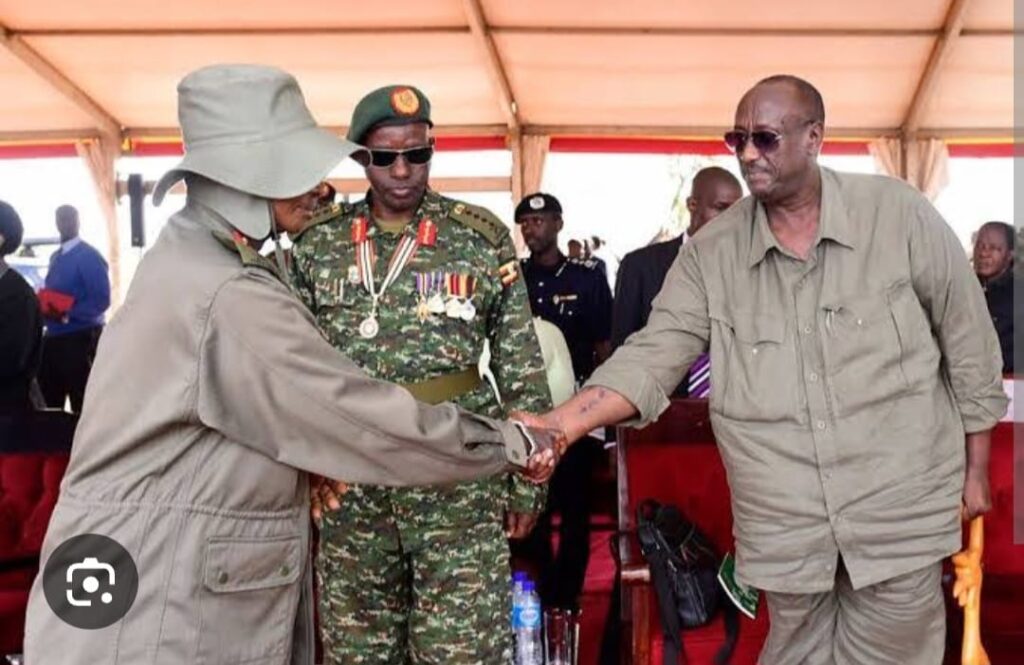
Among the most influential was Eriya Kategaya, registered as RO/0002, whose ideological influence helped shape the political philosophy of the NRA and later the National Resistance Movement (NRM).
Widely regarded as Museveni’s closest political confidant during the formative years of the struggle, Kategaya became one of the intellectual architects of the revolution.
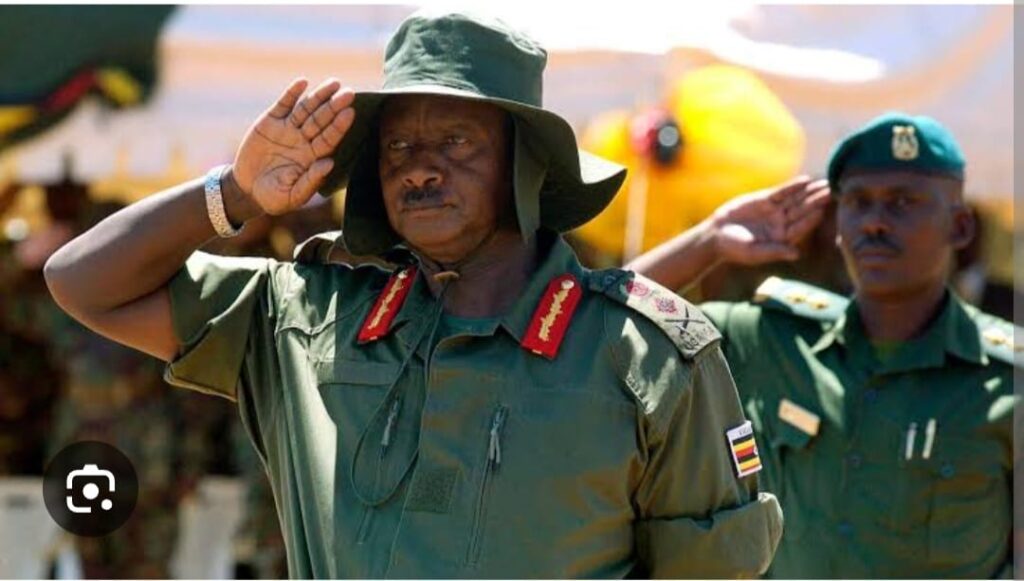
The military backbone of the movement included legendary commanders such as Fred Rwigyema, remembered for his battlefield brilliance and organizational discipline, and Elly Tumwine, who entered Uganda’s history books as the man credited with firing the first shot of the bush war in 1981.
Another enduring figure was Kahinda Otafire, whose long presence in Uganda’s military and political establishment reflects the lasting influence of the NRA’s pioneer fighters.
Alongside him were commanders and officers who built the operational strength of the rebellion, including captains William Mwesigwa, Valeriano Rwaheru, and James Birihanze, as well as lieutenants Mpima Kazimoto and James Karuhanga.
Among the most influential figures of the war was Salim Saleh, Museveni’s brother and one of the NRA’s most critical logistical coordinators.
His role in sustaining the guerrilla movement during some of its most difficult periods proved central to the rebellion’s survival.
Others, like Ivan Koreta, later became instrumental in transforming the NRA into the professional military institution now known as the Uganda People’s Defence Forces (UPDF).
But beyond the men who dominated the battlefield narratives stood courageous women whose contributions were equally vital to the liberation struggle.
Among them was Specioza Kazibwe, who played a key role in mobilization and political organization during and after the bush war.
Winnie Byanyima joined the struggle as a young engineer and became one of the prominent female figures associated with the resistance movement.
Another notable figure was Matembe Miria, remembered for her activism and later outspoken role in governance and constitutional debates within Uganda’s political landscape.
Women such as Joyce Mpanga and Gertrude Njuba also contributed through political mobilization, intelligence support, and civic organization, helping sustain the movement during its formative years.
In the bush camps and underground networks, many unnamed women served as nurses, couriers, intelligence operatives, cooks, and fighters,often enduring the same dangers and hardships as their male counterparts.
Their contribution remains
an inseparable part of the NRA’s revolutionary history.
The revolutionary journey, however, came at immense human cost.
Several early fighters including Ahmed Seguya, Fred Nkuranga, Wilson Mwangisi, and Pecos Kutesandid not live to witness the Uganda they fought to build.
Some perished during the war, while others passed away in later years, leaving behind stories of sacrifice that remain woven into Uganda’s national identity.
Those who survived often transitioned into public service and national leadership.
Figures such as David Sejusa, Jim Muhwezi, and Matayo Kyaligonza became influential actors in Uganda’s post-war political and administrative structures, shaping governance, security, and state institutions.
Today, as military parades, dignitaries, and supporters gather at Kololo for Museveni’s swearing-in, the occasion inevitably evokes memories of those first NRA fighters whose sacrifices laid the foundation for the Uganda of today.
To supporters of the revolution, they remain liberators who rescued the nation from chaos and instability.
To critics, the revolution’s legacy continues to spark debate about governance, democracy, and political longevity.
Yet regardless of political perspective, their role in Uganda’s history remains undeniable.
Their journey from the bush to the State House transformed the course of the nation.
And as Uganda enters another chapter under Museveni’s leadership, the names of the NRA pioneers continue to echo through the country’s political landscape,not merely as soldiers of a past war, but as architects of modern Uganda.
Their legacy endures in the institutions they built, the history they shaped, and the nation they fought to redefine.
Want to be featured? or have a personality want to know about him or her:
📞WhatsApp: ±2540703633820,±254754168624
✉️ Email: dailynewskenya0@gmail.com
🗓️ [DNK-International@May 12,2026]