DNK International
 By Xavier Lugaga,Busia
For nearly a decade, former Migori Governor Okoth Obado was regarded as one of Kenya’s most influential county leaders.
Obado was a seasoned politician who had risen from the classroom to the pinnacle of county leadership.
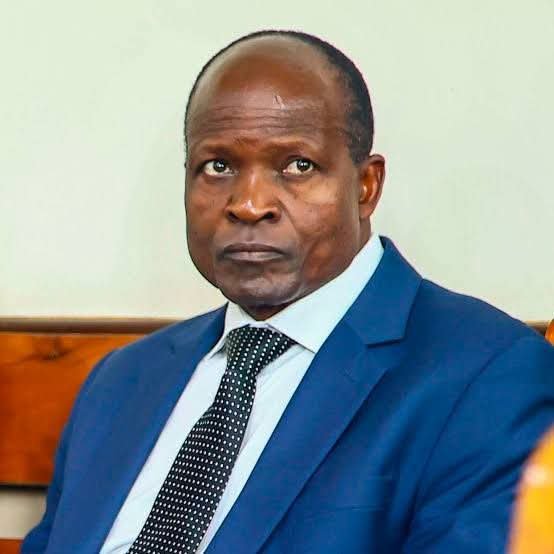
Today, that remarkable political journey has ended in one of Kenya’s most dramatic falls from power.
At 69, Obado now faces the prospect of spending the rest of his life behind bars after the High Court on Thursday found him guilty in the murder of university student Sharon Otieno.
The case gripped the nation for almost eight years and became a test of whether powerful public officials could be held accountable under the law.
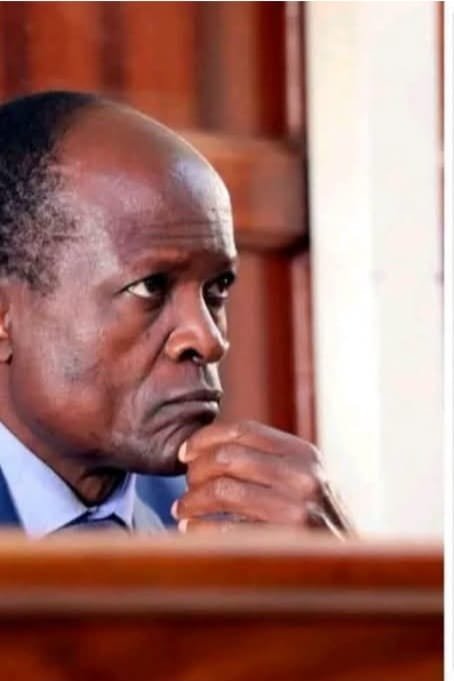
The conviction brings to a close one of Kenya’s most closely watched criminal trials, raising profound questions about power, morality, abuse of office, and the inevitable reach of justice.
On September 3, 2018, Sharon, aged 26, a student at Rongo University who was seven months pregnant, left believing she was going to meet people who would assist her financially.
She never returned home.

Her body was later discovered in Owade, Homa Bay County.
Investigations established that she had been abducted before being sexually assaulted and killed.
DNA evidence later confirmed that the unborn child she was carrying belonged to Obado.

The brutal killing shocked Kenya and dominated national headlines for years.
Delivering her judgment on Thursday, Justice Cecilia Githua found that Obado played a central role in the crime, holding that he provided the motive, instigated the offence, and financed its execution.
The judgment marked a defining moment in Kenya’s criminal justice system, demonstrating that lengthy investigations and complex trials can ultimately lead to accountability regardless of a person’s social or political status.
From Classroom to County Leadership
Obado’s life story had once been viewed as one of determination and achievement.
Born in 1957 in Migori County, he began his career as a science teacher at St. Joseph’s Rapogi Secondary School, his former school.
He later earned a Bachelor of Education degree from Kenyatta University and subsequently pursued a Master’s degree in Strategic Management.

His entry into national leadership came in 2010 when he was appointed Chairman of the Kenya Sugar Board (KSB), a position that significantly expanded his political influence.
In 2013, defying political expectations, he left ODM and contested the Migori governorship under the People’s Democratic Party.
Against the odds, he won the election in a tightly contested race that required a court-ordered recount.
Before the 2017 General Election, he returned to ODM and successfully secured a second term, serving until 2022.
For many supporters, he represented political resilience and development.
For his family, he remained a husband to Hellen Obado and father to Jerry and Evalyne.
Yet behind the public image lay a private relationship that would ultimately destroy his political legacy.
Wealth Without Freedom
Like many senior public officials, Obado accumulated significant wealth during his years in public service.
However, the conviction serves as a reminder that material success and political influence cannot substitute for freedom.
No amount of property, wealth, or status can restore lost liberty once a court finds an individual criminally liable.
The case also illustrates how personal decisions can have irreversible public consequences.
Lessons Beyond the Courtroom
The Obado case extends beyond one individual.
It highlights the dangers of abusing power, the consequences of secret relationships that spiral into criminal conduct, and the importance of accountability regardless of one’s political standing.
It also speaks to the enduring pain suffered by victims’ families.
Sharon Otieno was only 26 years old.
She never had the opportunity to raise the child she was carrying or fulfil the future she had envisioned.
Her death became a national symbol of violence against women and the abuse of power.
Justice Delayed, But Not Denied
This is the view shared by many people who spoke to DNK-International in the border town of Busia. For years, many Kenyans wondered whether the truth would ever emerge.
The lengthy court process tested public confidence in the justice system.
The conviction has reinforced an important constitutional principle: while influence may delay accountability, it does not necessarily prevent it.
The rise and fall of Okoth Obado is now part of Kenya’s political and judicial history—a cautionary tale of how decades spent building a career and reputation can be undone by personal choices and criminal conduct.
For current and future public leaders, the message is unmistakable: public office brings privilege, but it also carries responsibility.
When that responsibility is abandoned, even the most powerful individuals may ultimately answer before the law.
Want to be featured or have a personality you would like people to know about?
📞 WhatsApp: +254703633820, +254754168624
✉️ Email: dailynewskenya0@gmail.com
[DNK-International@July 25, 2026]
Top of Form
Bottom of Form