DNK International
 By Xavier Lugaga, Busia
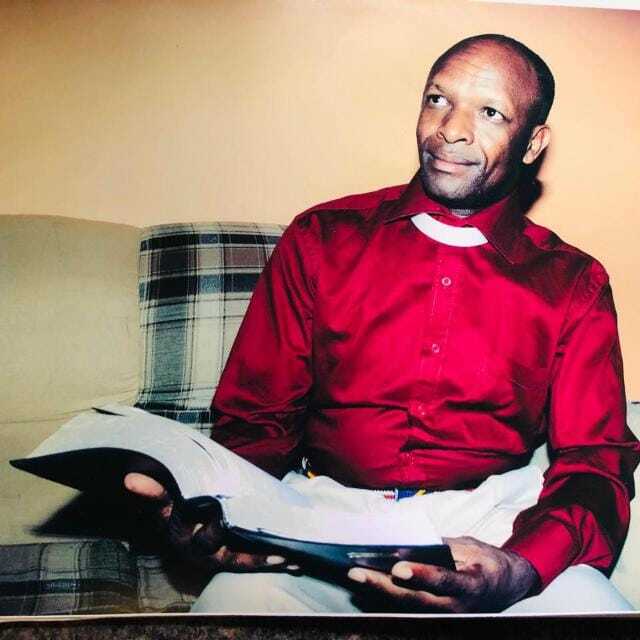
In the sleepy village of Bukani in Budalang’i, Busia County, a young boy once contemplated a life in priesthood.
Fate, however, had scripted a different destiny for James Charles Nakhwanga Osogo,a destiny that would place him at the center of Kenya’s political evolution, from the final years of colonial rule to the rise of an independent African nation.
Born on October 10, 1932, James Osogo emerged from humble beginnings to become one of the most influential and longest serving politicians of Kenya’s formative years.
His life was woven into the fabric of the nation’s history, spanning education, governance, diplomacy, parliamentary politics, and Cabinet leadership under both President Jomo Kenyatta and President Daniel arap Moi.
Educated at the prestigious St. Mary’s School Yala, Osogo belonged to the generation of highly educated Africans who would later inherit leadership from colonial administrators.
Before politics beckoned, he served as a teacher and later a headmaster, a profession that shaped his disciplined personality and calm, intellectual approach to leadership.
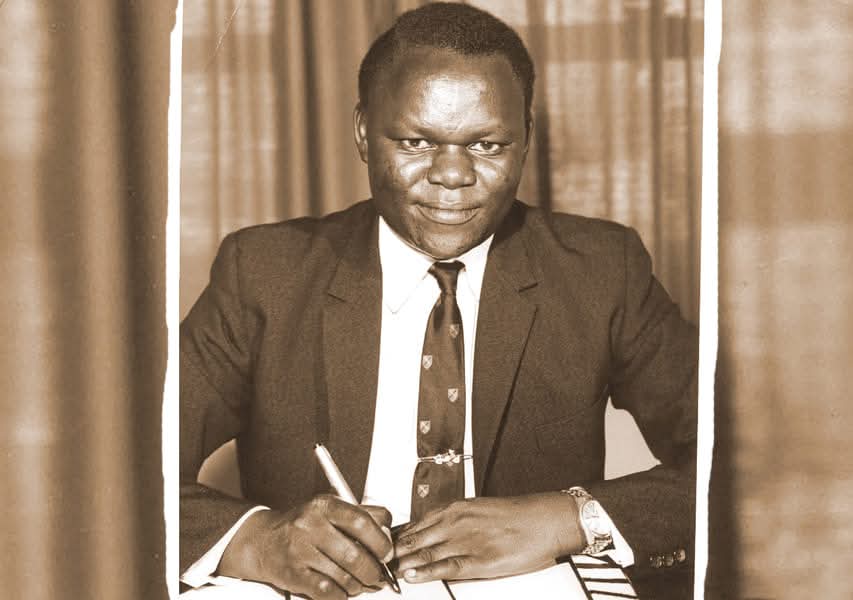
Friends and colleagues often described him as soft spoken but firm, a man who preferred persuasion over confrontation.
In 1963, as Kenya gained independence, Osogo was elected Member of Parliament for the then Ruwambwa Constituency, now Budalang’i.
It was a historic moment for the country and for a new class of African leaders tasked with building institutions from scratch.
Osogo quickly distinguished himself as an articulate legislator and dependable administrator.
His rise within government was swift.
In 1964, President Jomo Kenyatta appointed him Assistant Minister for Agriculture, a critical docket in an economy heavily dependent on farming.
Barely two years later, he was elevated to Minister for Information and Broadcasting, becoming one of the first Africans to oversee the powerful ministry responsible for state communication and national messaging.
Throughout the 1960’s and 1970’s, Osogo occupied several influential Cabinet positions, including Minister for Commerce and Industry, Minister for Local Government, Minister for Agriculture, Minister for Health, Minister for Foreign Affairs, and later Minister for Livestock Development.
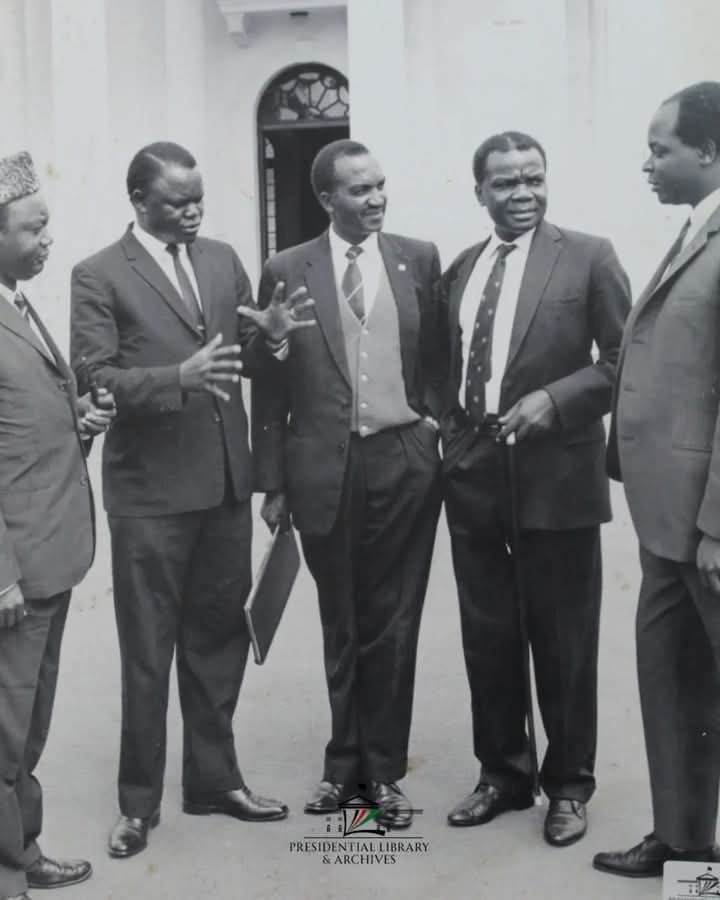
Few politicians of his generation moved through as many ministries with such consistency.
His political longevity reflected the enormous trust successive presidents placed in him.
In government circles from those people who knew him and talked to DNK-International said that, he was viewed as a reliable technocrat, educated, experienced, and loyal to the state.
During Kenya’s turbulent post independence years, Osogo became part of the inner machinery of power at a time when the young nation struggled with tribal tensions, ideological divisions, economic reforms, and political assassinations.
One of the most difficult moments of his career came in 1975 following the assassination of charismatic Nyandarua North MP Josiah Mwangi Kariuki, popularly known as J.M. Kariuki.
The killing shook the country and triggered a parliamentary investigation that implicated powerful individuals within government.
As Minister for Health and a senior government figure, Osogo attempted to tone down sections of the parliamentary report before its adoption in Parliament,a move that attracted fierce criticism from reformists and opposition voices.
The controversy exposed the immense pressures facing leaders inside Kenyatta’s administration, where loyalty to government often collided with public demands for accountability and justice.
Yet despite the criticism, Osogo remained steadfast in his belief in institutional stability and national unity.
He once remarked:
“Leadership is not about pleasing everyone. It is about protecting the nation, even in difficult times.”
Another quote often associated with him reflected his philosophy on public service:
“A nation survives when its leaders think beyond themselves.”
As political tides shifted after Kenyatta’s death in 1978 and President Moi consolidated power, many old guard politicians found themselves fighting for survival.
Osogo’s influence gradually declined amid changing alliances and emerging political rivalries.
In 1981, he lost his parliamentary seat, marking the end of his long legislative career.
At one point, he also faced political restrictions that temporarily barred him from contesting elections, a reflection of the unforgiving nature of Kenya’s one party era politics.
Even after leaving frontline politics, Osogo remained an influential elder statesman in western Kenya.
Younger politicians frequently sought his counsel, while historians regarded him as one of the last surviving links to Kenya’s independence generation.
Beyond politics, he was known as a deeply religious man, a family patriarch, and a mentor who valued education and discipline.
Those close to him say he never abandoned the humility of his teaching days despite decades in high office.
Osogo believed strongly in the role of public institutions in nation building.
He often warned against divisive politics and once told a public gathering in Busia:
“Tribalism weakens a nation faster than poverty.”
For decades, he witnessed Kenya transform from a newly independent state into a modern republic grappling with democracy, corruption, development, and generational change.
Through triumphs and controversies alike, his career mirrored Kenya’s own complicated political journey.
On August 15, 2023, James Charles Nakhwanga Osogo died at Aga Khan Hospital in Kisumu at the age of 91.
His death marked the end of an era.
Tributes poured in from leaders across political divides, many describing him as one of the final custodians of Kenya’s independence story, a statesman who stood in the rooms where the country’s earliest decisions were made.
James Osogo leaves behind a legacy that is both admirable and complex: a pioneer of African leadership, a trusted Cabinet minister, a survivor of turbulent political seasons, and one of the last towering figures from Kenya’s founding government.
In many ways, his life was Kenya’s story itself, hopeful, contested, resilient, and unforgettable.
Want to be featured? or have a personality want to know about him or her:
📞WhatsApp: ±2540703633820,±254754168624
✉️ Email: dailynewskenya0@gmail.com
🗓️ [DNK-International@May 8,2026]