DNK International
By Our Reporter,Nairobi
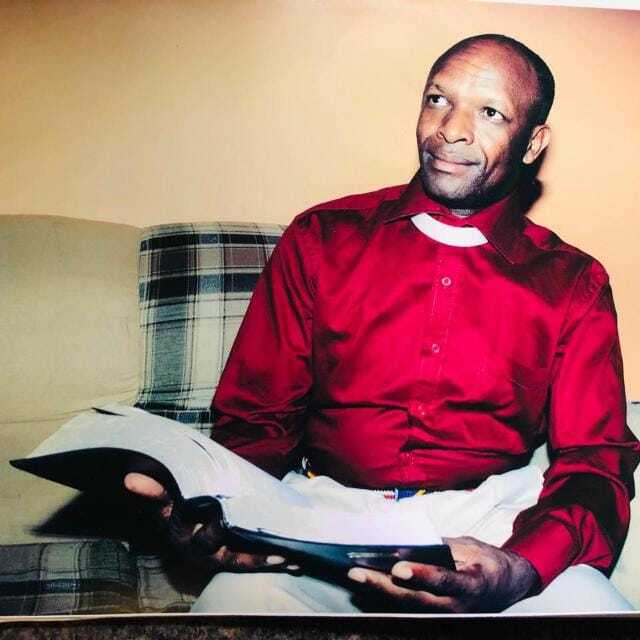
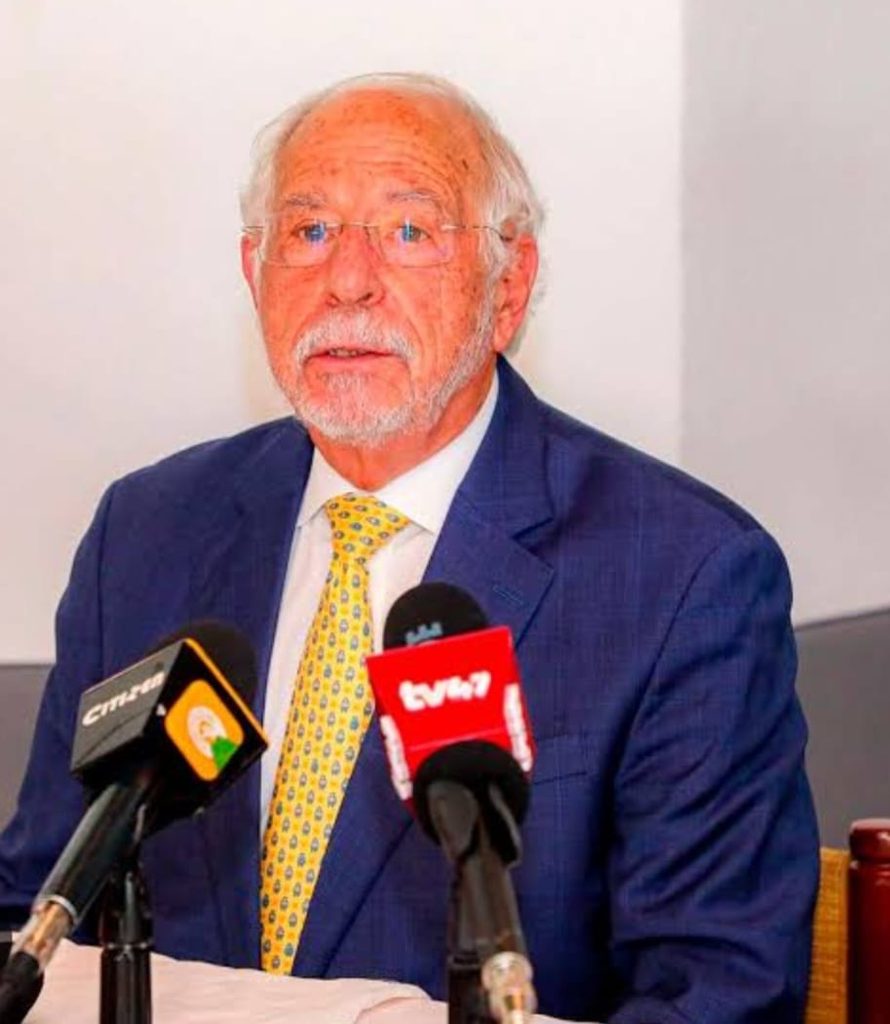
Dr David Morton Silverstein, the Chicago-born American cardiologist who became one of Kenya’s most prominent physicians and served as former President Daniel arap Moi’s personal doctor for more than four decades, has died aged 82.
Silverstein died on Sunday bringing to an end the remarkable life of a physician who arrived in Kenya as a young American doctor in the 1970’s but eventually made the country his permanent home.
The cause of his death had not been publicly disclosed in the reports available at the time of publication.
Born in Chicago in August 1944, Silverstein grew up in a Jewish family and developed an early interest in medicine.
He graduated from the University of Chicago Medical School in 1967 at the age of 22 before undertaking residency training in internal medicine and specialist training in cardiology at the University of Washington in Seattle.
Dr Silverstein also served as a doctor in the United States Air Force and was stationed at an air base in Taiwan, an experience that helped broaden his interest in practising medicine outside America.
After completing his cardiology training, Silverstein considered opportunities in different parts of the world, including Israel and the South Pacific, before choosing Kenya.
Accounts based on his memoir and University of Chicago that DNK-International was able to peruse indicate that he came to Kenya in 1974, initially expecting to stay for only about two years.
His arrival coincided with efforts to establish modern cardiac services at Kenyatta National Hospital and the University of Nairobi.
At Kenyatta National Hospital, Silverstein helped establish and run one of Kenya’s earliest cardiac catheterisation laboratories, later headed the hospital’s cardiology unit and became a lecturer at the University of Nairobi Medical School.
He taught generations of medical students and doctors, earning a reputation as one of the pioneers of modern cardiology in Kenya.
In 1977, he was appointed chief cardiothoracic physician for the Government of Kenya.
It was also in 1977 that Silverstein’s life became permanently linked to the Kenyan presidency.
He first treated Moi, who was then Vice-President, at Kenyatta National Hospital.
Silverstein later recalled that Moi’s secretary, Mrs Smith, contacted him and asked whether he could see the Vice-President.
His response was that he could see him at any time at Kenyatta National Hospital.
That meeting marked the beginning of a relationship that would last until Moi’s death in 2020.
In 1983, Silverstein was appointed Moi’s personal physician.
The appointment gave him an extraordinary front row position in Kenya’s history.
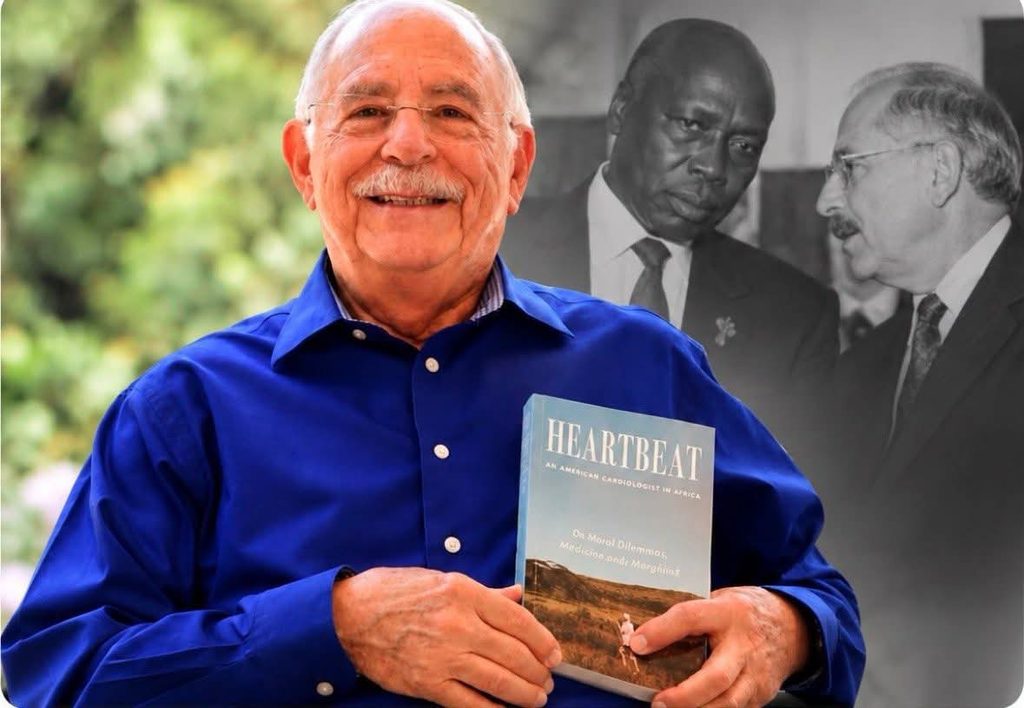
He was responsible for the health of a president who would rule Kenya for 24 years, and he accompanied Moi on numerous foreign trips, including visits to China and Israel.
He continued treating Moi even after he retired from the presidency in 2002.
His influence as Moi’s doctor went beyond ordinary medical consultations.
He regularly checked the President, often weekly during his presidency, and became one of the few people who interacted with Moi privately as a patient rather than simply as Head of State.
Silverstein in a past interview said that the two would pray together before their meetings and, after medical examinations, discuss medicine, the Old Testament, international politics and Israel.
Moi, according to Silverstein, was an exemplary patient who followed medical instructions concerning medication, diet and lifestyle, although he admitted that the former President loved meat.
He also revealed the humorous side of their relationship, recalling occasions when Moi, Silverstein and former Attorney General Charles Njonjo shared a small glass of kosher sacramental wine from Israel, which they jokingly referred to as “dawa ya wazee.”
Silverstein’s proximity to Moi also meant that he witnessed important moments in Kenya’s political and diplomatic history.
His strong personal links with Israel complemented Moi’s own close relationship with the country.
Silverstein accompanied Moi on several visits to Israel, including trips connected to medical treatment and religious occasions.
The physician also played a significant role in the wider Kenyan medical profession.
In 1980, he moved to The Nairobi Hospital, where he took charge of the intensive care unit.
Under his leadership, the unit expanded from a three bed facility with limited equipment into a 10 bed modern intensive care unit staffed by nurses trained in advanced critical care.
He later became involved in antimicrobial stewardship and advised the Government of Kenya on the rational use of antibiotics.
His list of patients extended well beyond State House.
Silverstein treated some of the most prominent personalities in Kenya and the region, including former Attorney General Charles Njonjo and former South African President Nelson Mandela.
Mandela was treated at The Nairobi Hospital during a 1990 visit to Kenya after falling ill with pneumonia.
Despite his association with powerful people including some international,Silverstein maintained that medicine came before politics.
His patients could include people who were political allies as well as rivals.
His long relationship with both Moi and Njonjo demonstrated the professional trust placed in him across Kenya’s political establishment.
Silverstein was also an important figure in Kenya’s Jewish community.
He was a practising Jew and served at various times as a leader and spokesman within the small Jewish community in Kenya.
His friendship with Moi, a devout Christian, became an unusual bridge between the two faith traditions.
His personal life was equally intertwined with Kenya.
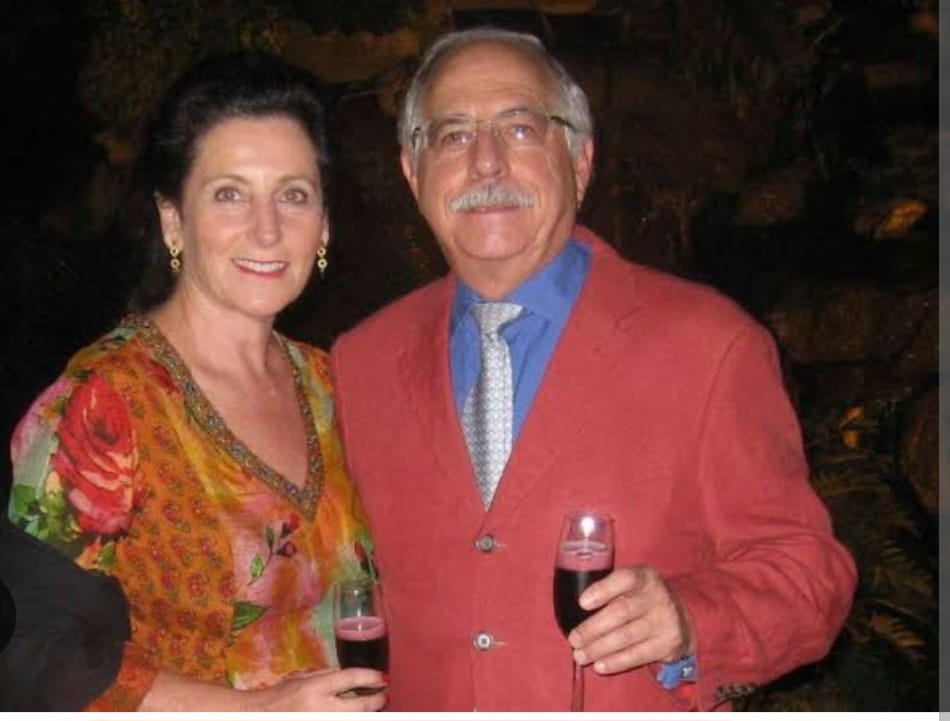
Silverstein married Channa, an American-born nurse who worked at The Nairobi Hospital.
The couple met in Kenya in the aftermath of the 1998 bombing of the US Embassy in Nairobi, when both were involved in caring for victims.
They later married and built their family life in Kenya.
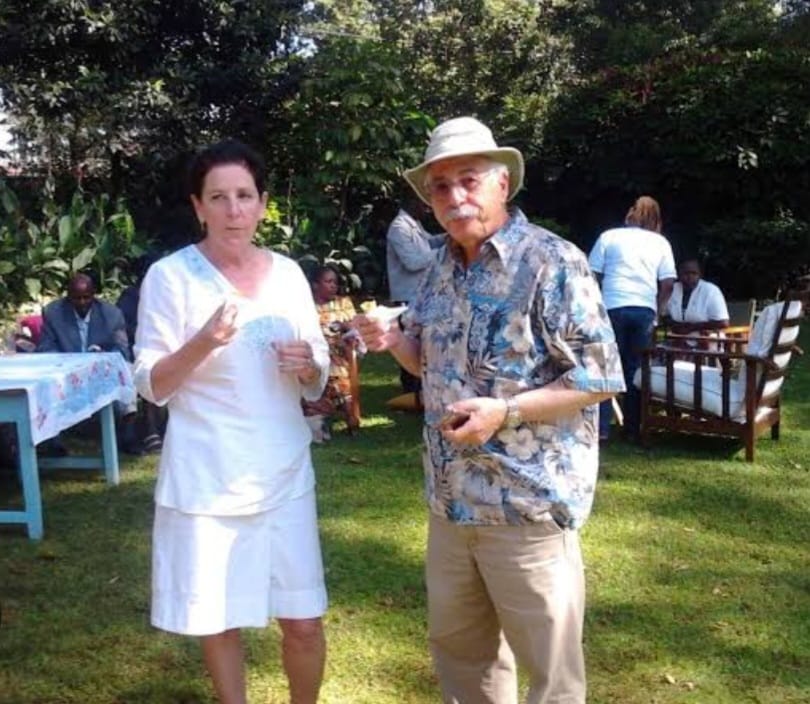
Silverstein also owned a farm near Lake Naivasha, where he kept animals and enjoyed a quieter side of life away from his demanding medical practice.
One of the major challenges of Silverstein’s career was practising medicine in an era when Kenya’s specialised medical infrastructure was still developing.
He arrived when advanced cardiac services were limited and had to help establish facilities, train personnel and introduce specialised techniques.
His later career also exposed him to the enormous pressures of treating high profile patients while maintaining confidentiality and professional independence.
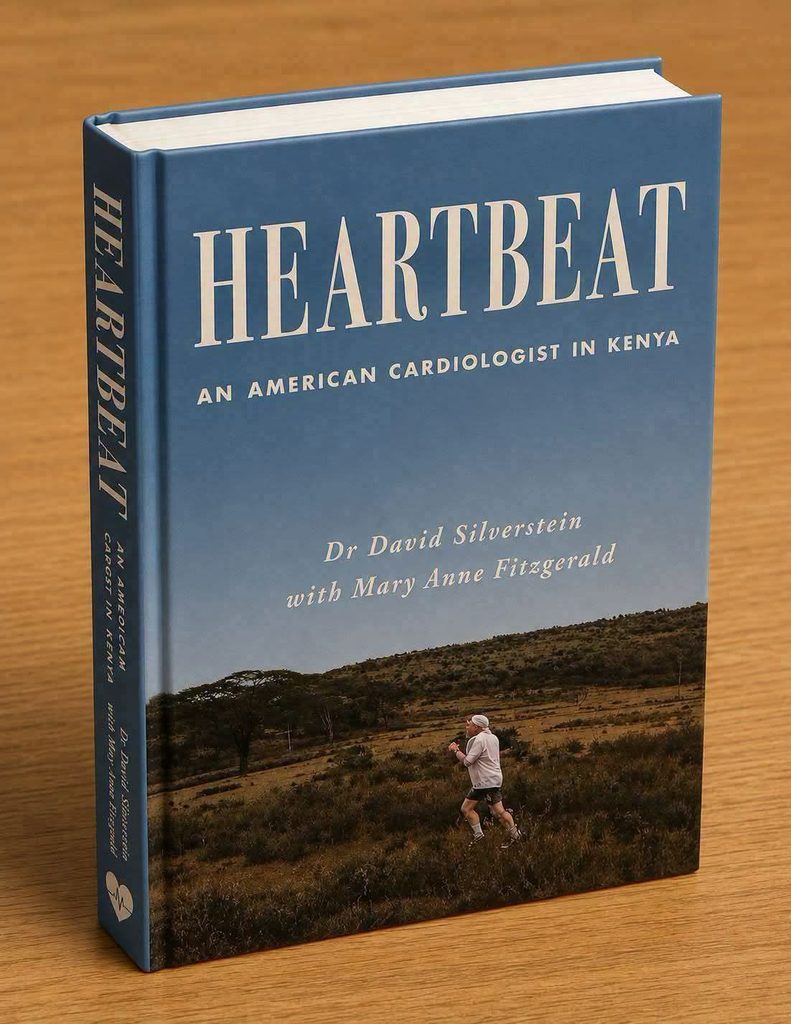
Silverstein documented much of his extraordinary journey in his 2023 memoir, Heartbeat: An American Cardiologist in Kenya.
The book recounts his childhood and medical training in the United States, his decision to come to Kenya, his career at Kenyatta National Hospital and The Nairobi Hospital, his relationship with Moi, encounters with prominent patients and some of the major events he witnessed during more than five decades in Kenya.
Perhaps the most memorable public moment of Silverstein’s relationship with Moi came at the former President’s funeral at Kabarak in February 2020.
After more than four decades as Moi’s physician and friend, Silverstein delivered a deeply personal tribute.
Wearing a Jewish prayer covering, he recited the Jewish prayer for the dead, El Malei Rachamim, in Hebrew and explained its meaning to the mourners.
His tribute offered Kenyans a rare glimpse of the private Moi he had known as a patient and friend.
Among Silverstein’s most memorable remarks was his description of Moi as an “exemplary patient” who followed his doctor’s advice.
He also recalled that whenever he visited State House, Moi was concerned that the doctor was spending too much time with him instead of attending to other patients.
Yet Moi would not allow him to leave without a cup of tea and a conversation.
At Moi’s burial, Silverstein delivered another memorable reflection: “We grieve our patriarch but grief comes from love and over the years the pain of grief will fade and will be replaced by love, which is its origin.”
Silverstein also recalled one extraordinary moment in Israel when Moi, after visiting Christian holy sites during a period when he was experiencing difficulty walking, became excited and told him: “Daktari! Angalia. Yesu alikaa hapa” — “Doctor! Look. Jesus sat here!” Silverstein regarded the improvement in Moi’s condition after the visit as an example of the powerful relationship between faith, emotion and wellbeing.
His death has prompted tributes from the Moi family and national leaders.
KANU chairman and former Baringo Senator Gideon Moi described Silverstein as a physician who treated his father with attention, empathy and compassion, saying the family was deeply grateful for the care and friendship he offered Mzee Moi throughout his health journey.
President William Ruto has also mourned him, describing him as a distinguished medical practitioner whose service had a lasting impact on Kenya.
For more than half a century, Silverstein was therefore more than Moi’s doctor.
He was a pioneer of cardiology in Kenya, a teacher, a physician to several of the country’s most powerful personalities, a bridge between Kenya and Israel’s Jewish community, a witness to major moments in the country’s history and, above all, a foreign-born doctor who chose Kenya as his home.
His greatest legacy may ultimately be found not only in the corridors of State House or among the famous names he treated, but in the cardiac services he helped establish, the medical professionals he trained and the generations of Kenyan patients who benefited from the systems he helped build.
Dr David Silverstein leaves behind a medical and historical footprint that stretches from Chicago to Nairobi and from the early years of specialised cardiology in Kenya to the final years of one of the country’s longest-serving presidents.
Want to be featured? or have a personality want to know about him or her:
📞WhatsApp: ±2540703633820,±254754168624
✉️ Email: dailynewskenya0@gmail.com
SUPPORT CITIZEN JOURNALISM
Help us keep independent, community-focused journalism alive.
Paybill: 222111
Account No. 3179512
Your support helps us report, inform and amplify stories from communities that matter.
Thank you for supporting citizen journalism.
🗓️ [DNK-International@September 14,2026]