DNK International
 By Our Correspondent,Msambweni
Former Agriculture Principal Secretary Professor Hamadi Iddi Boga is preparing for another high stakes political battle in Kwale County, where he hopes to unseat Governor Fatuma Achani in the 2027 General Election after falling short in the 2022 gubernatorial contest.
Boga, a seasoned academic, agricultural scientist and former government technocrat, is positioning himself alongside fellow gubernatorial aspirant Lung’anzi Chai as political realignments gather momentum ahead of the next elections.
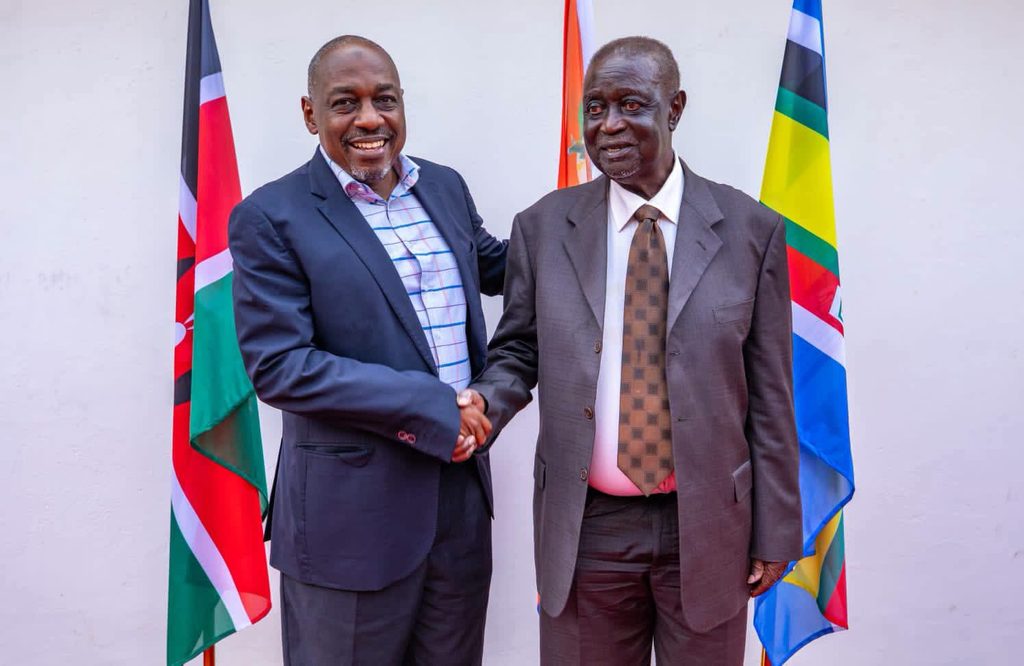
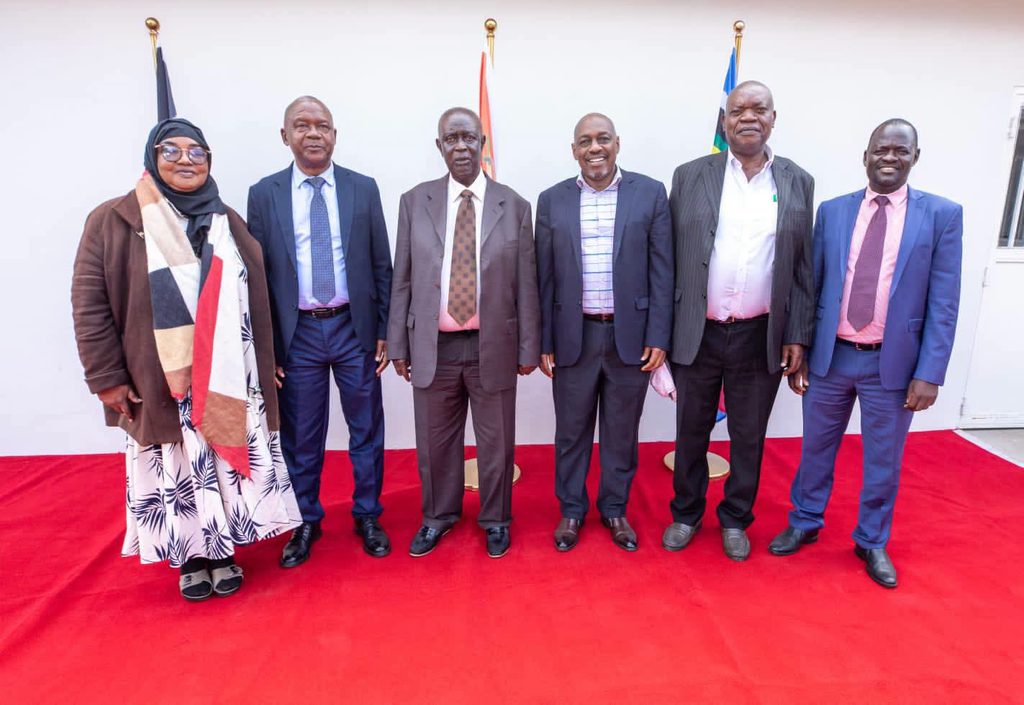
The two politicians recently received the endorsement of former Cabinet minister and Digo community cum Mijikenda spokesman Chirau Ali Mwakwere following a consultative meeting in Diani, Kwale County.
The emerging alliance is intended to unite forces against Achani, although the final arrangement regarding who will run for governor and who will serve as deputy remains a political question.
According to some of their supporters who talked to Daily News Kenya-International,supporters, they have indicated that they are willing to work together regardless of who gets the top seat, with discussions reportedly focusing on sharing county government positions equally if they win.
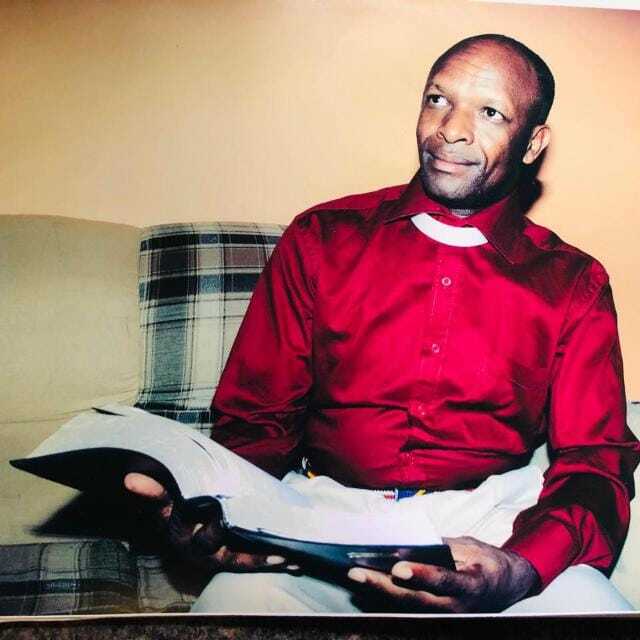
Born on December 3, 1967, in Mwaroni, Kwale County,his upbringing in the coastal region and exposure to the challenges facing rural communities have shaped his interest in agriculture, food security and economic development.
Unlike many politicians whose careers have revolved primarily around party politics, Boga built his reputation in academia and agricultural research before venturing into elective politics.
His educational journey began at Mvindeni Primary School in Kwale County before he proceeded to Voi Secondary School.
He later attended Kenyatta High School in Taita, where he completed his advanced level education.
Boga initially aspired to study medicine, inspired in part by his father, who worked as a public health technician.
However, after missing the required entry threshold for medicine, he pursued biological sciences, a decision that eventually led him into microbiology, microbial ecology and agricultural research.
He joined Kenyatta University, graduating in 1990 with a Bachelor of Science degree in Botany and Zoology, First Class Honours.
In 1994, he completed a master’s degree in Botany, specialising in Microbiology, at the same university.
He subsequently pursued doctoral studies at the University of Konstanz in Germany, earning a PhD in Microbial Ecology.
His research focused on microorganisms, particularly their ecological relationships with termites and their environments.
In 2005–2006, he undertook postdoctoral research at the Max Planck Institute in Germany, further strengthening his scientific credentials.
His academic qualifications and research experience established him as a respected figure in biological sciences and agricultural research.
Boga’s professional career spans university teaching, research, institutional administration and public service.
At Jomo Kenyatta University of Agriculture and Technology (JKUAT), he rose through several positions, serving as chairman of the Botany Department between 2002 and 2004, director of the Institute of Biotechnology Research in 2005 and dean of the Faculty of Science in 2007.
He later became principal of the university’s Taita Taveta Campus before serving as principal of Taita Taveta University College.
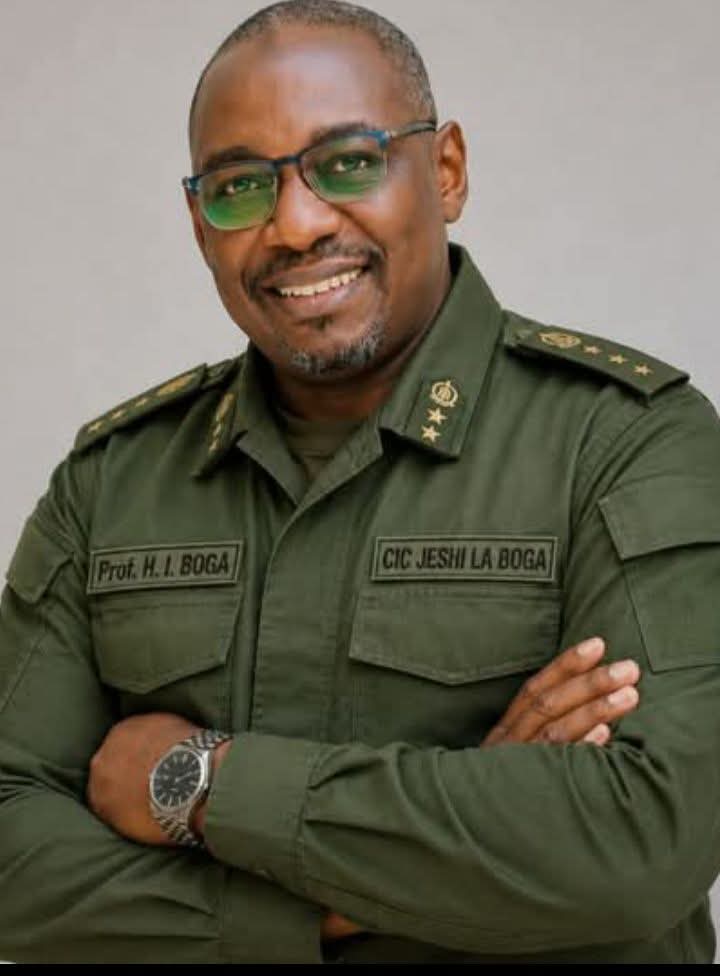
He was also acting Vice Chancellor of the institution during its development into a university.
His experience in higher education administration exposed him to institutional management, research funding, strategic planning and the challenges of equipping young people with skills for employment.
Boga moved into national government, serving as Principal Secretary in the State Department for Crop Development and Agricultural Research under the Ministry of Agriculture, Livestock, Fisheries and Cooperatives.
In that position, he was involved in agricultural policy, research coordination and efforts to improve the productivity of Kenya’s agricultural sector.
Among the policy initiatives associated with his tenure was work on the Agricultural Sector Transformation and Growth Strategy, a national framework intended to accelerate agricultural transformation and improve food security.
His professional profile has continued to evolve beyond government.
A biography published by the World Potato Congress in 2026 identifies him as vice-president for programmes delivery at the Alliance for a Green Revolution in Africa (AGRA), where he oversees programme delivery across 15 countries.
Despite his accomplishments in academia and government, Boga’s political ambitions have encountered considerable resistance.
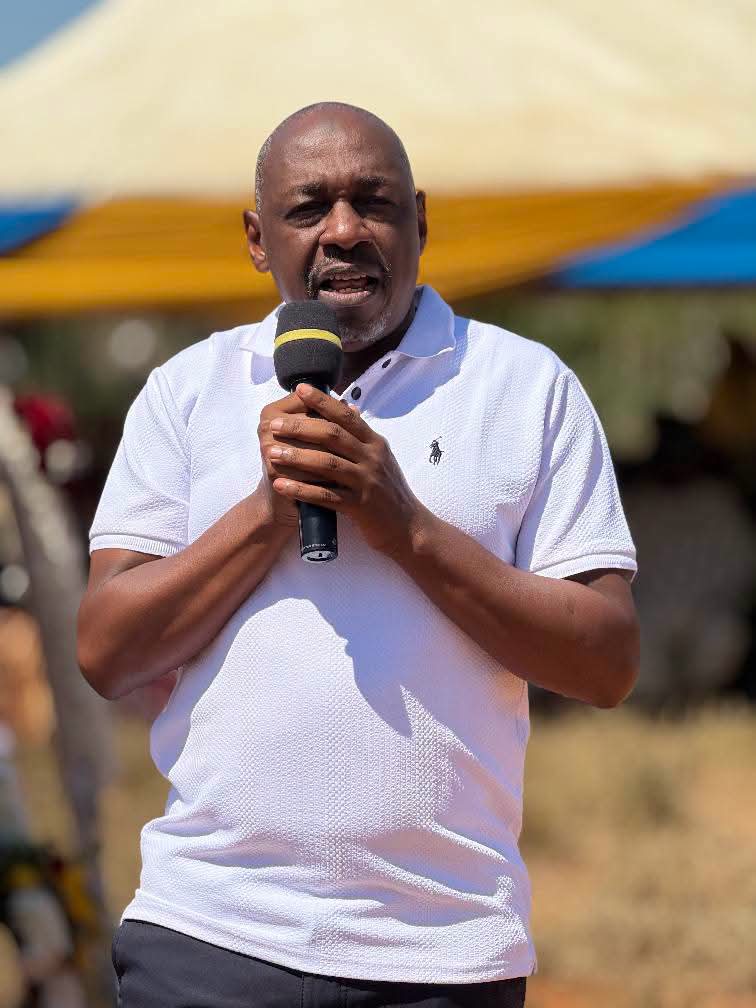
In 2022, he resigned from his public service position to pursue the Kwale governorship on an Orange Democratic Movement ticket, seeking to succeed then-governor Salim Mvurya, who was completing his second term.
His campaign presented him as a professional with the technical knowledge and administrative experience to transform the county’s economy.
However, the August 9, 2022, election delivered a narrow defeat.
Achani, who had served as Mvurya’s deputy governor for nearly a decade, won the contest with 59,674 votes against Boga’s 53,972. Lung’anzi, who contested on a Pamoja African Alliance ticket, finished third with 47,301 votes.
The results demonstrated that Boga had considerable electoral support but was unable to overcome Achani’s advantage and the political networks supporting her candidature.
The defeat did not end his political ambitions. Instead, it set the stage for another attempt to assemble a formidable coalition ahead of 2027.
In the period following the 2022 election, discussions within the opposition in Kwale increasingly focused on the need to avoid splitting votes among candidates seeking to challenge Achani.
By February 2024, ODM officials were publicly discussing efforts to bring together Boga, Lung’anzi and former Cabinet minister Chirau Ali Mwakwere, among other political figures, to improve their chances in the next election.
The latest political developments suggest that the strategy of building alliances remains central to Boga’s comeback bid.
His potential partnership with Lung’anzi could be significant because the latter attracted 47,301 votes in 2022.
Nevertheless, the combined figures from the previous election do not automatically guarantee victory, as voter preferences, party nominations, campaign organisation and political alliances may change before 2027.
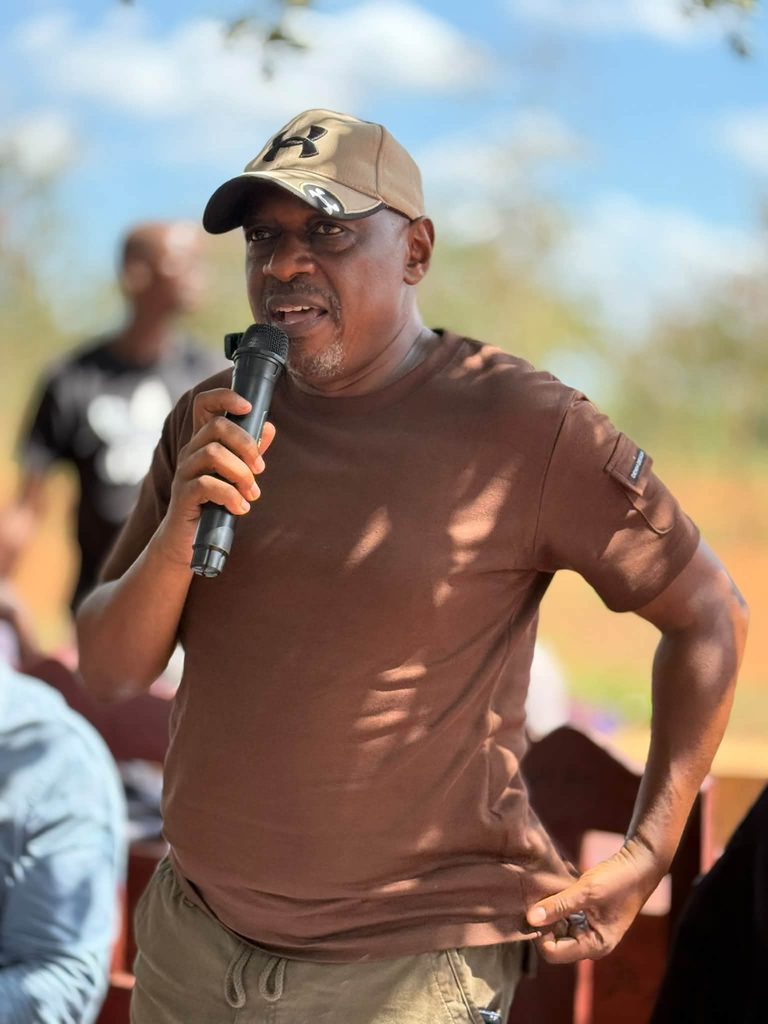
Boga’s central campaign message in 2022 was that Kwale could overcome poverty by investing in agriculture, improving water access, creating employment opportunities and making better use of its natural resources.
He argued that the county’s economic potential remained largely untapped despite its agricultural land, tourism industry, coastal resources and favourable conditions for several agricultural value chains.
One of his most ambitious proposals was to establish more than 10,000 boreholes and earth dams to improve access to water for domestic use and agricultural production.
He also advocated expanding irrigation, harvesting rainwater and introducing appropriate technologies to help farmers cope with unreliable rainfall and prolonged drought.
Boga proposed reviving the county’s coconut and cashew nut industries, which have historically supported household incomes and rural livelihoods.
He also identified mangoes, oranges, lemons, passion fruits and jackfruit as products that could support commercial farming, processing, employment and wider market access.
His proposed one product per village concept would encourage different localities to specialise in particular products, creating opportunities for value addition and more organised marketing.
Under the plan, farmers would receive improved equipment, technical support and access to markets, while partnerships with investors would help connect local producers to domestic and international buyers.
Boga also called for stronger links between fisheries, agriculture and the maritime economy, arguing that coastal communities should benefit more directly from the economic opportunities associated with the Indian Ocean.
In his 2022 campaign, he maintained that agricultural production could become a major weapon against poverty, hunger, malnutrition and unemployment if farmers received the necessary support.
“If fishers, livestock keepers and food crop farmers are effectively empowered then riches will reign,” he said during the campaign.
Education was another important pillar of his agenda.
Boga proposed reviewing the eligibility requirements for educational support under Kwale’s bursary programme, arguing that the existing academic cut-off could exclude deserving students.
He also called for increased investment in tertiary education and institutions offering skills relevant to the blue economy, with the aim of preparing young people for employment in fisheries, maritime services and related industries.
On healthcare, he promised to strengthen the county’s health system and improve access to advanced treatment at affordable costs.
He also pledged to fight corruption, arguing that public resources should be directed towards projects that improve people’s lives rather than wasteful spending or questionable procurement.
These commitments formed the basis of his 2022 development platform. Whether they will remain unchanged or be expanded into a more detailed manifesto for 2027 remains to be seen.
His political challenge will be to convince voters that his professional experience can deliver practical improvements in their daily lives, particularly in water provision, employment, healthcare, education and agricultural incomes.
As the 2027 election approaches, Boga’s experience presents both an opportunity and a challenge.
His academic qualifications, public service record and understanding of agricultural policy could appeal to voters looking for a technically grounded approach to county development.
However, the governor’s seat is not won on professional credentials alone.
Boga must also demonstrate an ability to organise a competitive campaign, build a broad coalition and persuade residents that his proposals can be implemented within the county government’s resources and constitutional responsibilities.
For Achani, who succeeded Mvurya in 2022, the coming election will offer an opportunity to defend her administration’s record and seek another mandate.
For Boga, it will be a second opportunity to turn his professional reputation and development proposals into an electoral victory.
The emerging partnership with Lung’anzi could reshape the contest, but questions over party affiliation, the final ticket and the distribution of political responsibilities remain important.
Ultimately, Boga’s political future will depend on whether he can translate the message that made him a competitive candidate in 2022 into a stronger, more united and more persuasive campaign in 2027.
His journey from a young student in Kwale to an internationally connected agricultural scientist, senior government official and gubernatorial aspirant has already established him as one of the county’s notable political figures.
The unanswered question is whether his second attempt will deliver the leadership mandate that eluded him in 2022.
Want to be featured, or know a personality who deserves recognition?
📞 WhatsApp: +254 703 633820 / +254 754 168624
✉️ Email: dailynewskenya0@gmail.com
SUPPORT CITIZEN JOURNALISM
Help us keep independent, community-focused journalism alive.
Paybill: 222111
Account No.: 3179512
Your support helps us report, inform and amplify stories from communities that matter.
Thank you for supporting citizen journalism.
🗓️ [Daily News Kenya-International@October 14,2026]