DNK International
 By Xavier Lugaga,Busia
The rise and resilience of Yoweri Kaguta Museveni cannot be fully understood without tracing the quiet but profound influence of his parents, Mzee Amos Kaguta and Esteri Kokundeka Nganzi.
This are the figures whose lives helped mold one of Africa’s most enduring leaders.
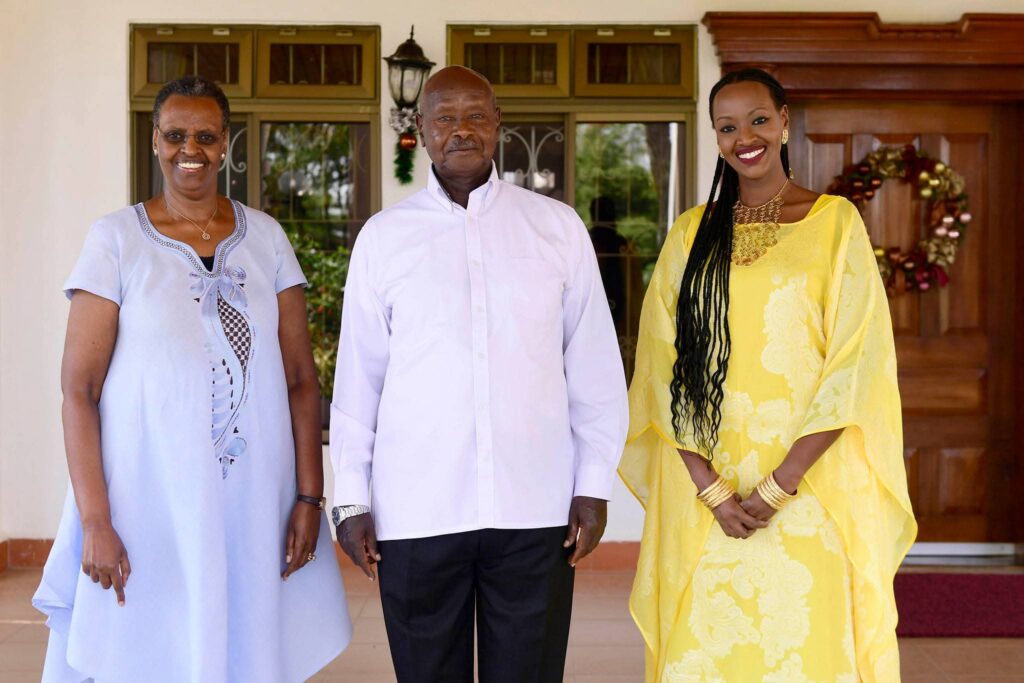
Born in the Ankole region of western Uganda, Museveni grew up in a modest pastoralist setting that emphasized discipline, cultural identity, and endurance.
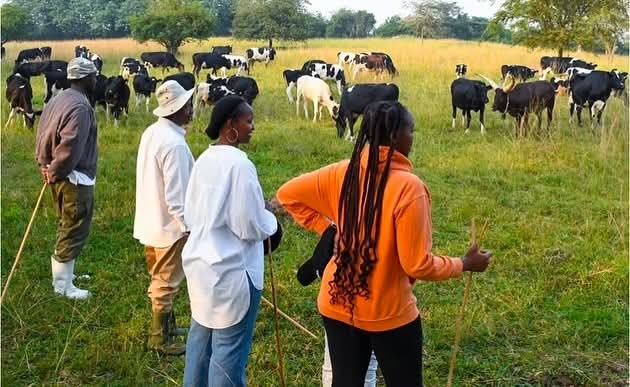
His father, Mzee Amos Kaguta was born in 1916 and was a respected cattle keeper from the Hima community, a group known for its deep rooted pastoral traditions.
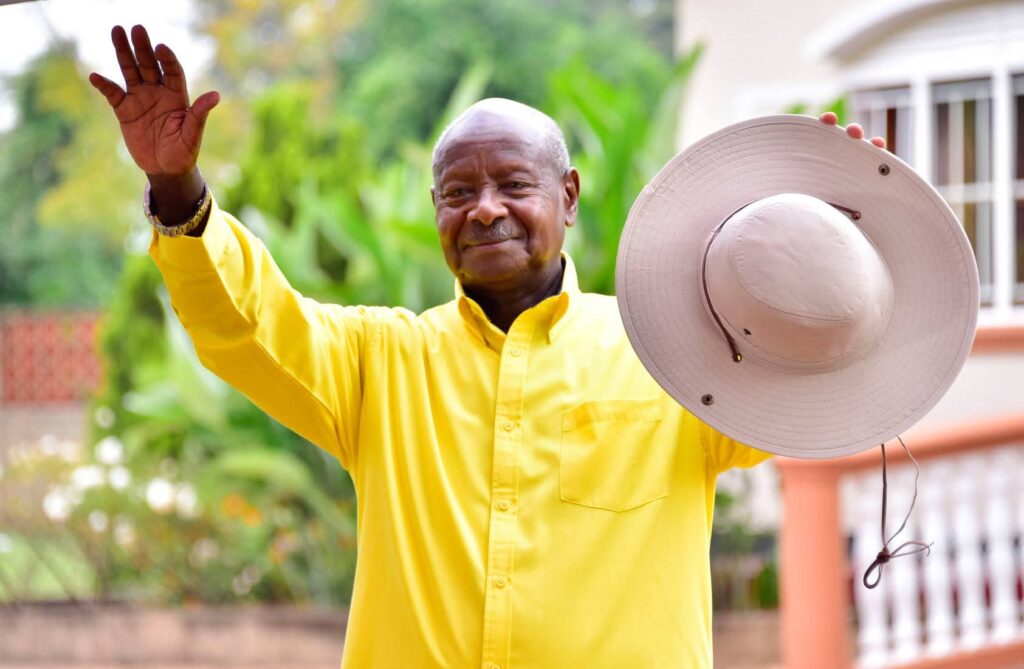
Kaguta’s life straddled both indigenous African customs and the upheavals of the colonial era, giving him a worldview shaped by change and survival.
Historical accounts, including remarks attributed to Julius Nyerere, indicate that Kaguta served in the 7th Battalion of the King’s African Rifles during World War II.
This experience linked him to a generation of African soldiers exposed to global conflict under colonial rule,an encounter that broadened political awareness and influenced perspectives on governance and resistance.
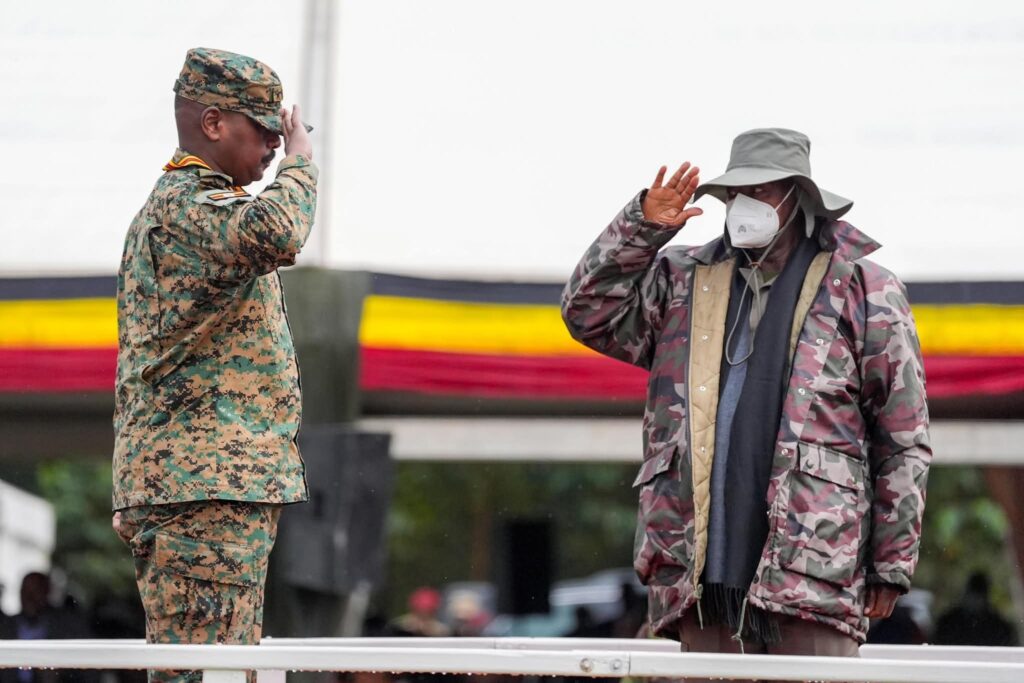
The name “Museveni” itself is believed to derive from “Abaseveni,” referencing soldiers who served in the Seventh Regiment, embedding a legacy of military service within the family identity.
Kaguta died on February 22, 2013, aged 96, at International Hospital Kampala.
Museveni’s mother, Esteri Kokundeka Nganzi,was born in 1918.
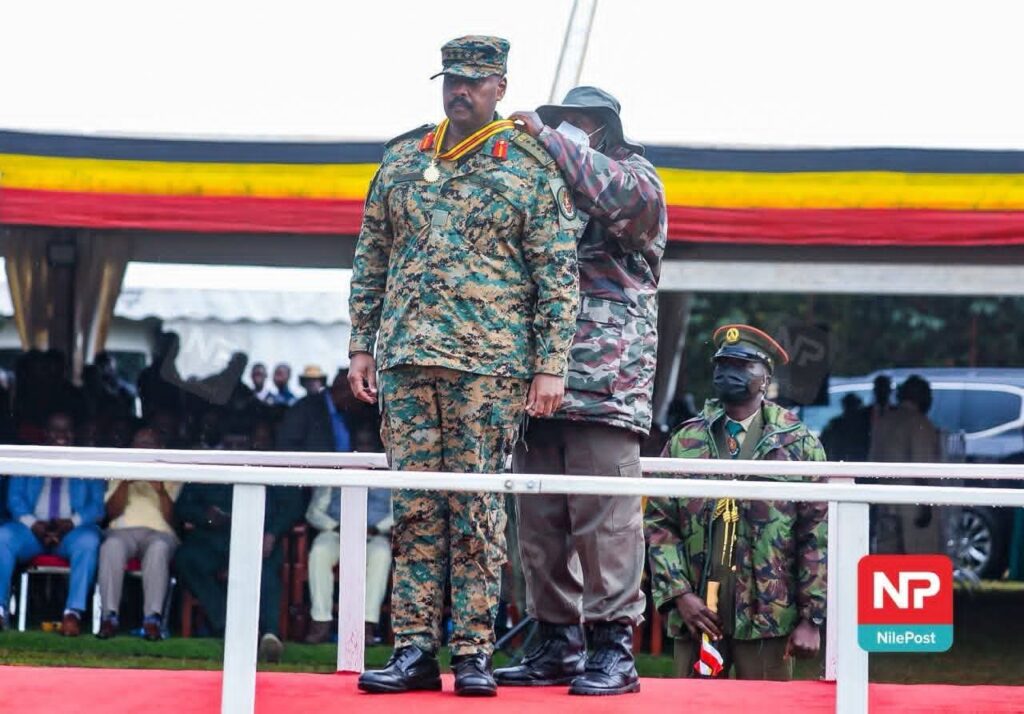
According to a source well known to the first family in Uganda who talked to DNK-International,Mama Esteri provided the moral and spiritual foundation of the household.
Known for her strong faith and firm discipline, she played a central role in instilling values of perseverance, humility, and hard work in her son.
Museveni has repeatedly credited her (Esteri) influence as instrumental during his early struggles, particularly throughout the guerrilla war that eventually brought him to power in 1986.
Like many women of her era, Esteri remained largely out of the public eye, yet her role as a custodian of cultural values and family stability proved decisive.
She passed away in 2001.
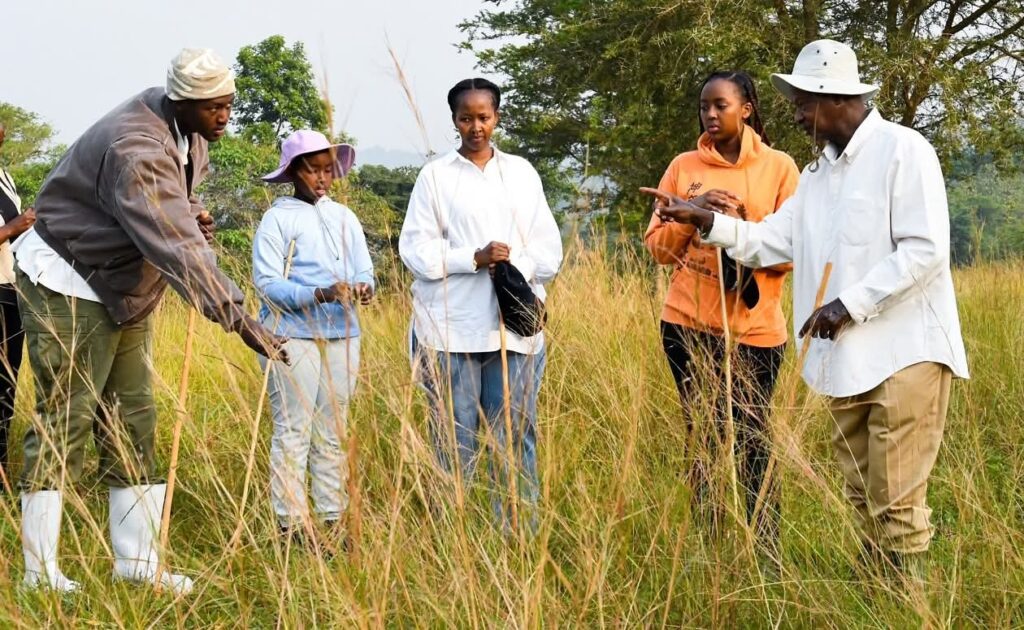
The fusion of Kaguta’s exposure to historical upheaval and Esteri’s moral guidance created a formative environment that shaped Museveni’s political philosophy.
From his early days as a student activist to his leadership in armed struggle and eventual presidency, his approach has often reflected themes of liberation, self-reliance, regional stability, and Pan-Africanism.
Additional accounts note that Museveni’s upbringing also involved early education in mission schools and exposure to political thought during his university years in Dar es Salaam, experiences that built upon the foundational values instilled at home.
His leadership has since spanned decades, making him one of Africa’s longest serving heads of state.
While political histories often spotlight individual ambition and strategy, Museveni’s story underscores the enduring influence of family.
The legacy of Amos Kaguta and Esteri Nganzi remains woven into Uganda’s national narrative,an enduring reminder that the roots of power are often planted far from the public eye.
Want to be featured? or have a personality want to know about him or her:
📞WhatsApp: ±2540703633820,±254754168624
✉️ Email: dailynewskenya0@gmail.com
🗓️ [DNK-International@April
20,2026]