DNK International
 By Our Correspondent,Kerugoya
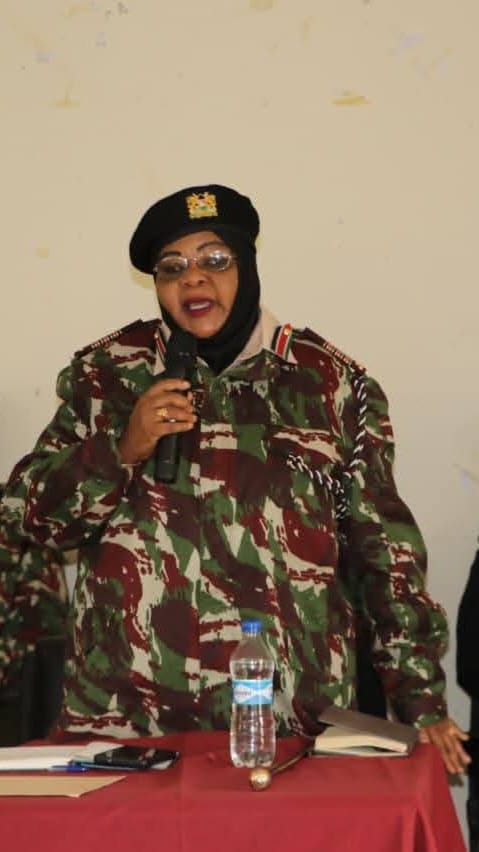
Kirinyaga County Commissioner Shufaa Omar Mwijuma has emerged as one of the government’s most vocal administrators in the renewed fight against illicit alcohol, counterfeit drinks and drug abuse.
She’s doing this through engaging the local community and residents in an effort to address a problem she says is threatening the wellbeing of young people and families.
Mwijuma was transferred from Nyamira County to Kirinyaga in May 2026 during a major reshuffle of Regional and County Commissioners by Interior Cabinet Secretary Kipchumba Murkomen.
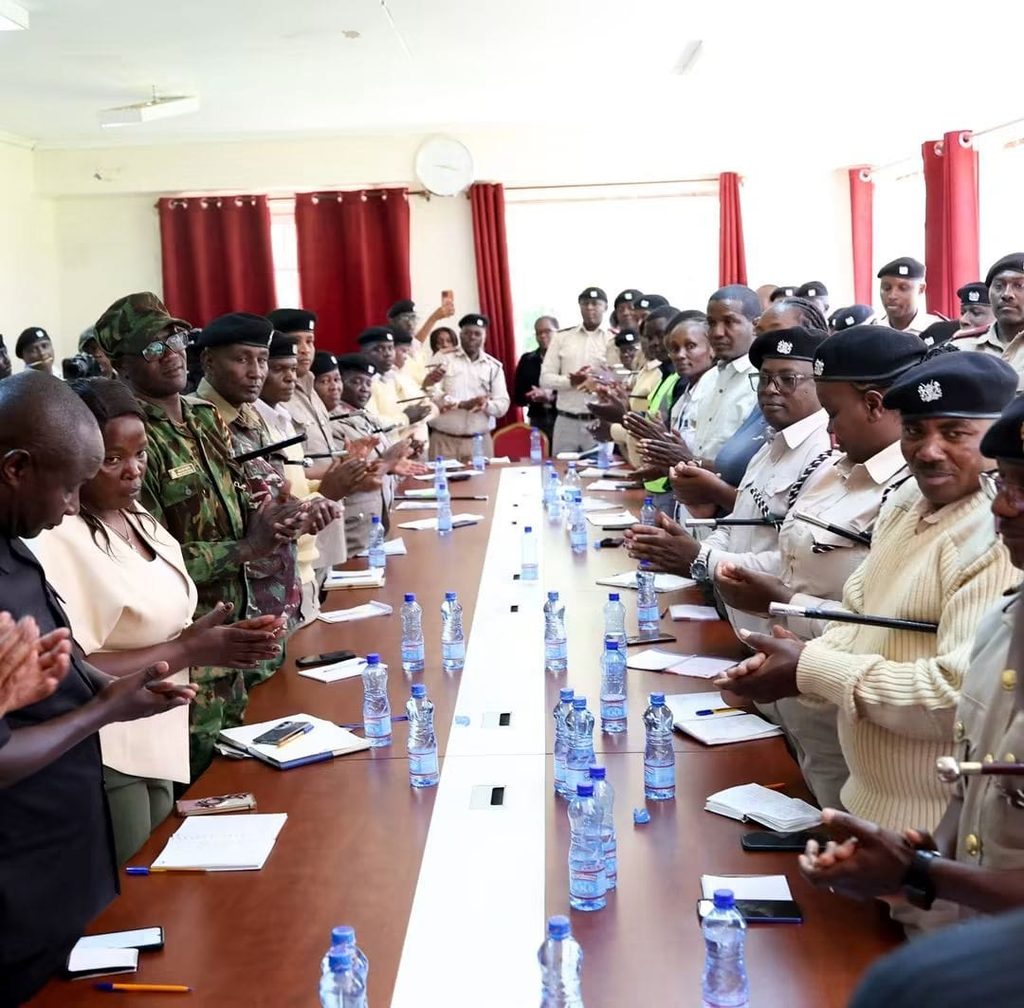
She replaced Alason Hussein, who was moved to Trans Nzoia County.
The government said the changes were intended to strengthen administration, security coordination and service delivery, with the transfers taking into account officers’ experience and performance.
Public records also show that Mwijuma has a long career in the National Government Administration system.
From the records the administrators name appeares in the 1997 Administrative Officers’ Examination records under the Office of the President, with her station listed as Kilifi, demonstrating that her public service career dates back several decades.
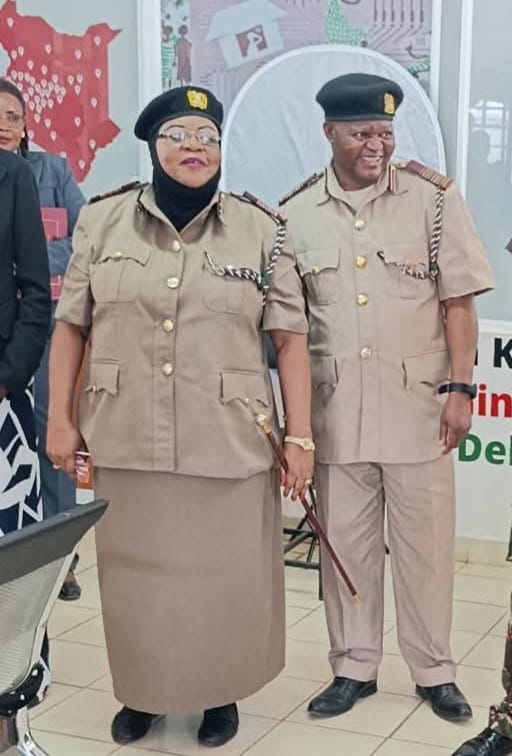
Since arriving in Kirinyaga as established by Daily News Kenya-International, Mwijuma has made the fight against alcohol and drug abuse one of the central features of her administration.
In September 2026, she joined security agencies, NACADA, KRA, KEBS, the Anti-Counterfeit Authority, county officials and community representatives in launching a two-week Rapid Results Initiative targeting illicit brews, counterfeit alcoholic products and narcotics.
Her approach has gone beyond arrests and seizures.
Mwijuma has repeatedly argued that the problem requires cooperation between security agencies, families, religious leaders, business people, young people and health workers.
Under the campaign, security agencies have reported significant seizures and arrests.
Between August and September 2026, authorities confiscated 2,283 litres of Makavo, 49 litres of Muratina, seven kilogrammes of cannabis and 432 rolls of bhang.
At the time, 54 illicit alcohol cases were before the courts, while 28 suspects had been arrested and taken to court during a three-day Rapid Results Initiative.
Mwijuma has also taken a firm position on entertainment establishments.
She has warned strip clubs and other illegal entertainment joints that they will face enforcement action, while questioning the licensing of bars located too close to homes and schools.
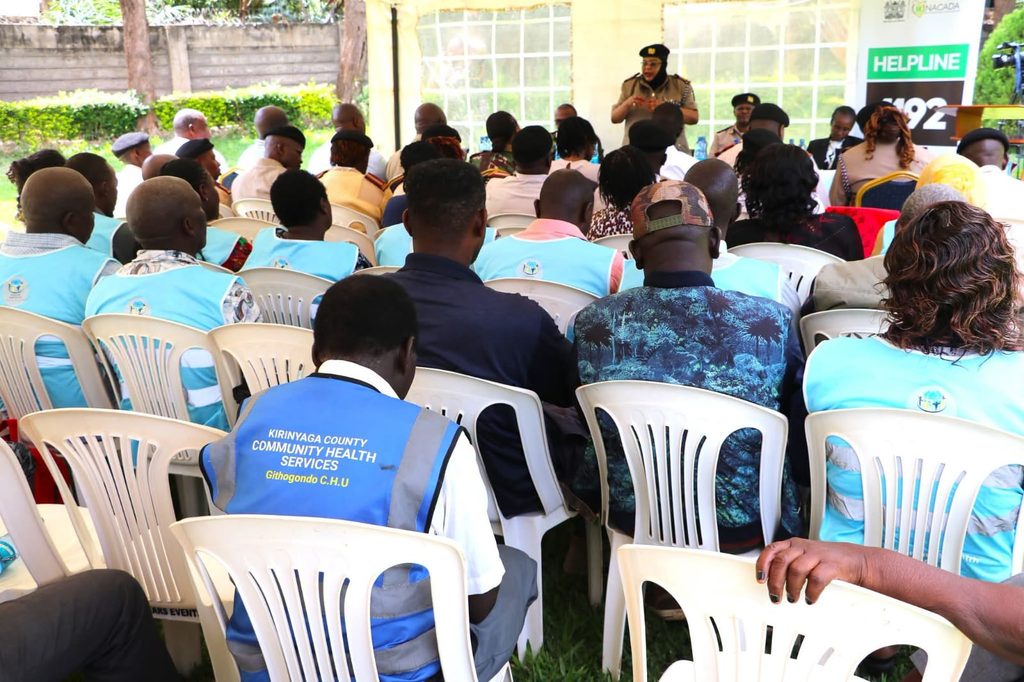
“When bars are licensed too close to homes and schools, it creates challenges for security officers and also exposes communities to the negative effects associated with alcohol abuse,” she said during the launch of the crackdown on September 28.
In another strongly worded intervention, she called for action against establishments where she said nude dancing was taking place, arguing that such activities were contributing to what she described as moral decay.
“Why allow people to dance naked in your bar?” she asked, insisting that authorities would not permit such activities in the county.
Her campaign has increasingly focused on young people.
In July, she urged the youth to shun alcoholism, drug abuse and suicide, while calling on Churches and other community institutions to play a greater role in addressing social problems.
By October, Mwijuma was advocating a broader approach that combines enforcement with rehabilitation and counselling.
She enlisted Community Health Promoters (CHP) to identify residents affected by alcohol addiction and link them with NACADA and other support services.
“The CHPs will be resourceful in this campaign as they will help identify those greatly affected by alcohol so that we can hand them over to NACADA for assistance,” she said, adding that authorities needed to determine who required rehabilitation, counselling or medication.
She has also warned that alcohol and hard drugs are contributing to wider social problems, including teenage pregnancies, gender-based violence (GBV), HIV infections and suicide.
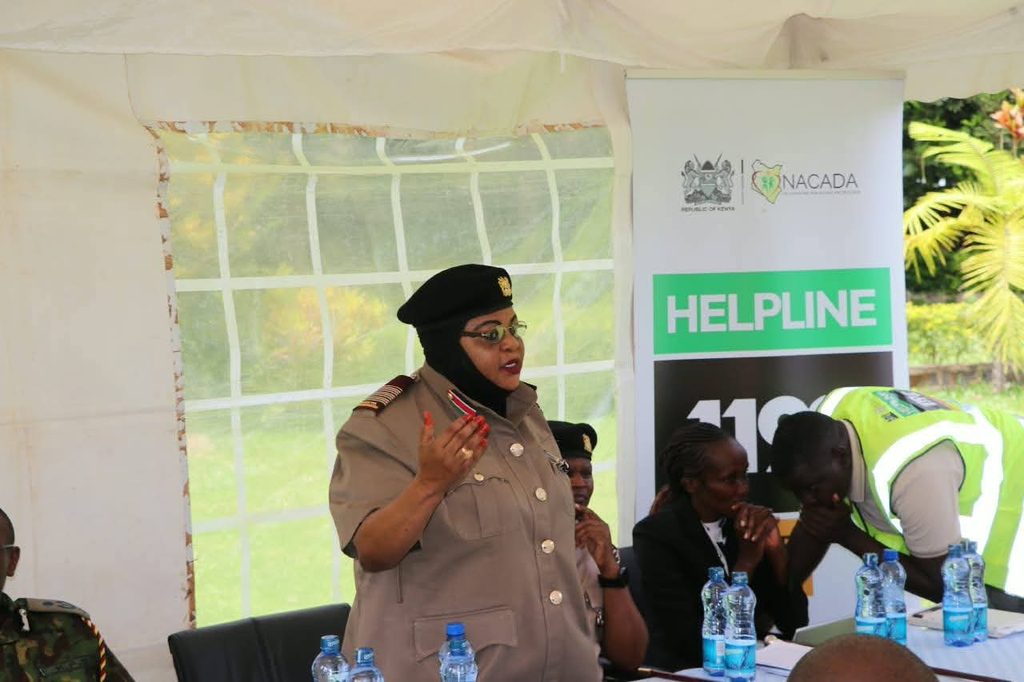
In addressing young people,Mwijuma has urged them to concentrate on legitimate businesses, employment opportunities and responsible family life.
Beyond the alcohol and drug campaign, Mwijuma has maintained a strong focus on security and public order.
Last month, she dismissed reports of organised gangs operating in Kirinyaga and urged politicians not to recruit young people to cause chaos during political gatherings.
She at the same time assured residents that security agencies were monitoring the situation through public engagement and intelligence gathering.
Her leadership style in Kirinyaga is increasingly defined by a combination of firm enforcement, public mobilisation and community participation.
Rather than treating alcohol and drug abuse purely as a policing issue, she has sought the involvement of health workers, religious leaders, youth, administrators, businesses and ordinary residents.
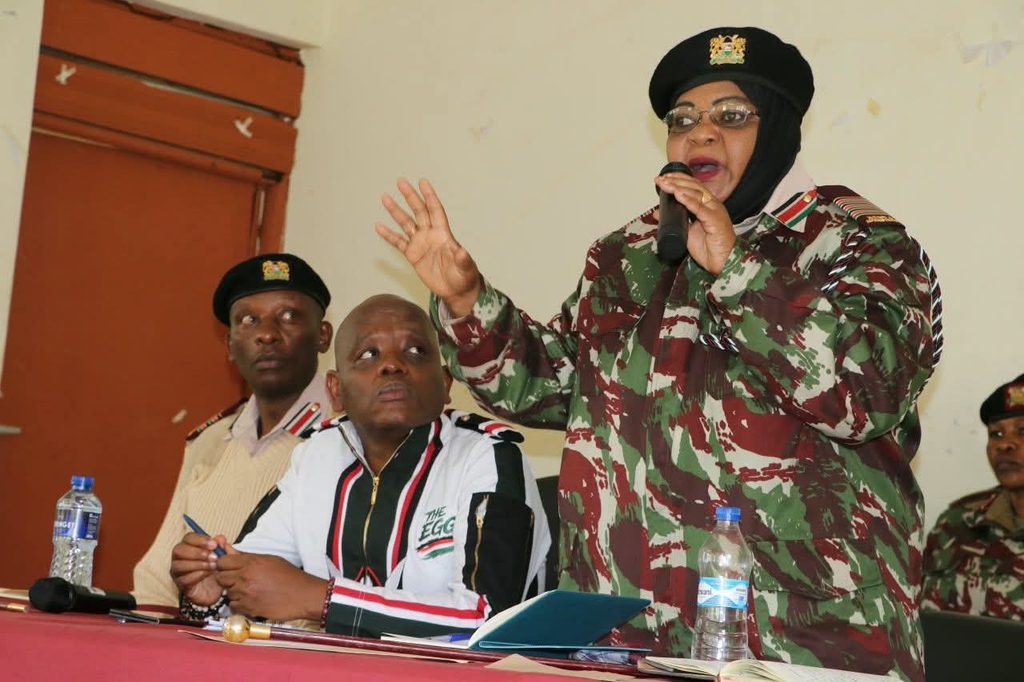
For Mwijuma, the campaign is ultimately about protecting communities from the social and economic consequences of substance abuse.
Her recent interventions have placed her at the centre of Kirinyaga’s intensified efforts to control illicit alcohol, protect young people and ensure that entertainment and alcohol businesses operate within the law.
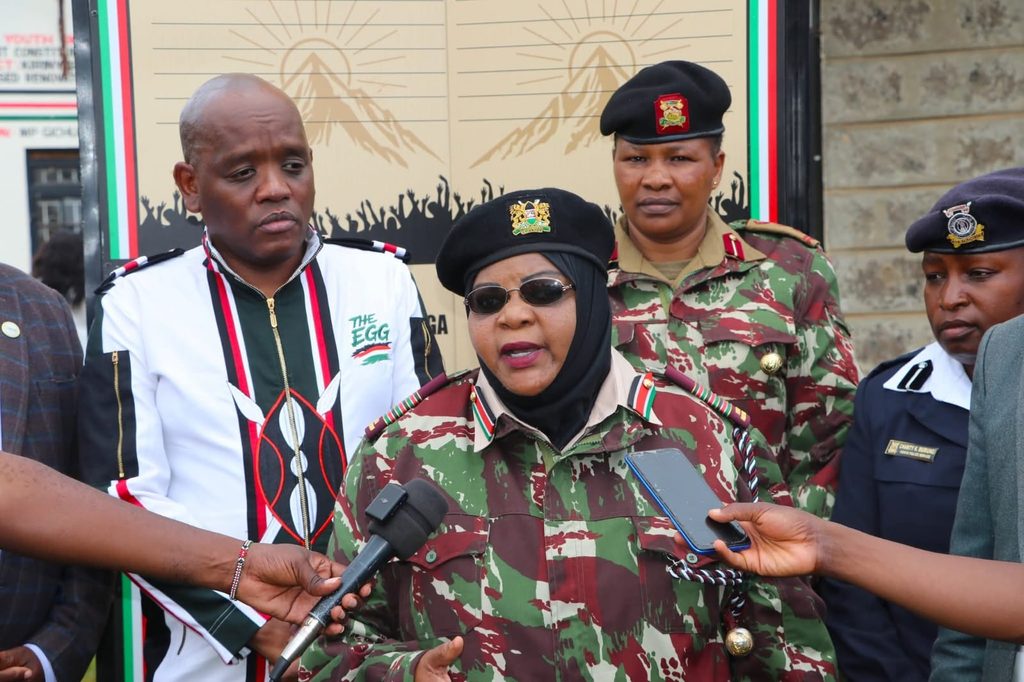
As she continues serving as Kirinyaga County Commissioner, her public record in the county is increasingly associated with one central message: enforcement must be matched by community involvement, prevention, counselling and rehabilitation if the war against alcohol and drug abuse is to produce lasting results.
Want to be featured, or know a personality who deserves recognition?
📞 WhatsApp: +254 703 633820 / +254 754 168624
✉️ Email: dailynewskenya0@gmail.com
SUPPORT CITIZEN JOURNALISM
Help us keep independent, community-focused journalism alive.
Paybill: 222111
Account No.: 3179512
Your support helps us report, inform and amplify stories from communities that matter.
Thank you for supporting citizen journalism.
🗓️ [Daily News Kenya-International@October 9,2026]