DNK International
 By Our Reporter,Nairobi
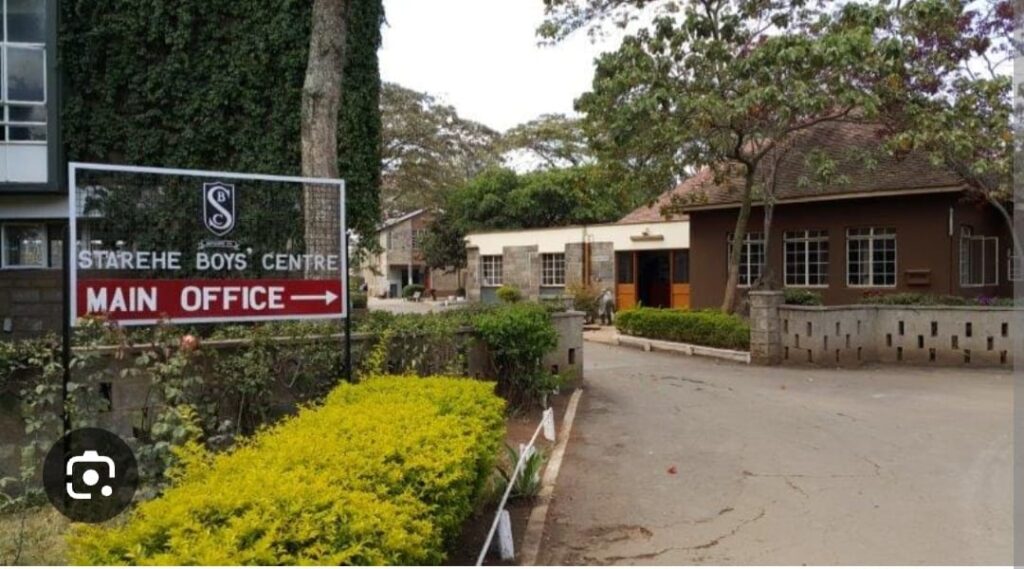
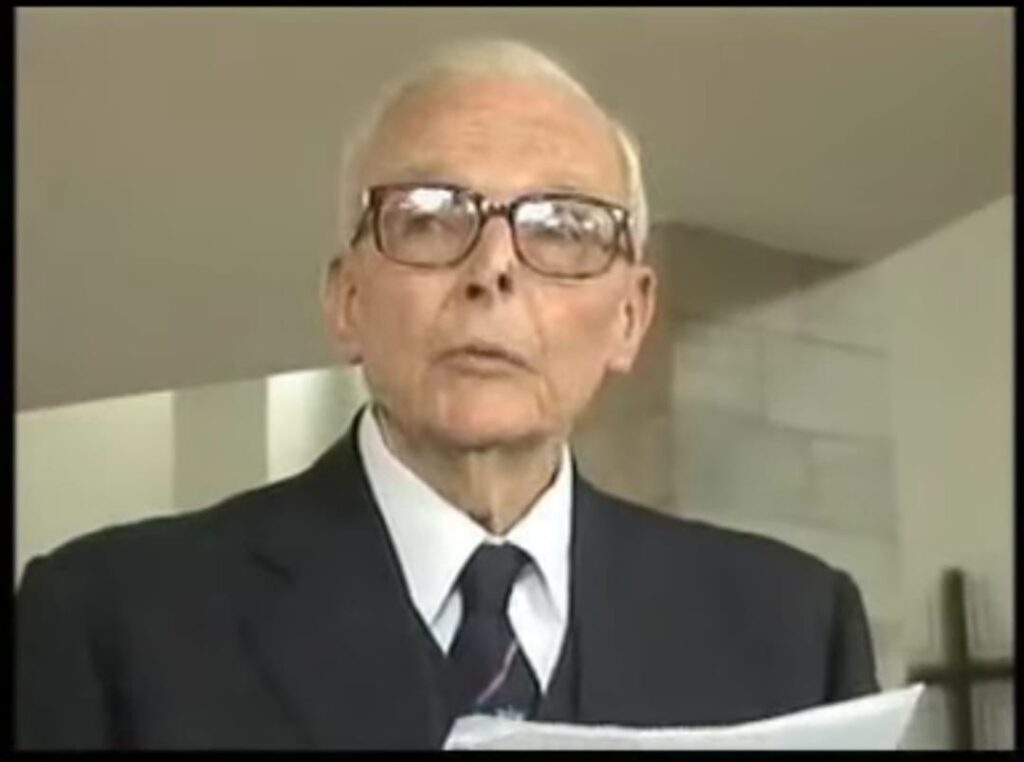
“At precisely 7 a.m. every morning, Dr Geoffrey William Griffin would quietly walk into his office at Starehe Boys Centre carrying a thermos flask in one hand and, depending on the weather, an umbrella in the other.
Whether under blazing sunshine or pouring rain, he was rarely seen without his trademark green rain jacket,’said one of his former students.
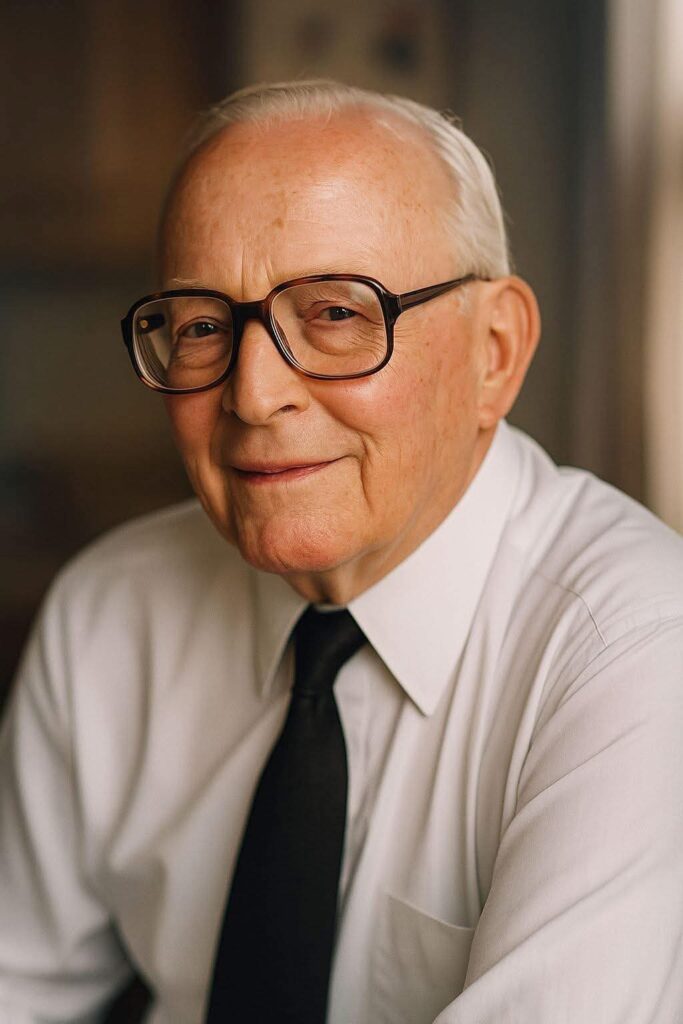
To thousands of students who passed through Starehe’s gates, the sight became a symbol of discipline, consistency and commitment.
Known simply as “Boss” by generations of students, Dr Geoffrey William Griffin remains one of Kenya’s most influential educators and youth mentors, a man whose vision transformed the lives of thousands of disadvantaged children and helped shape some of the country’s most prominent leaders, professionals and public servants.
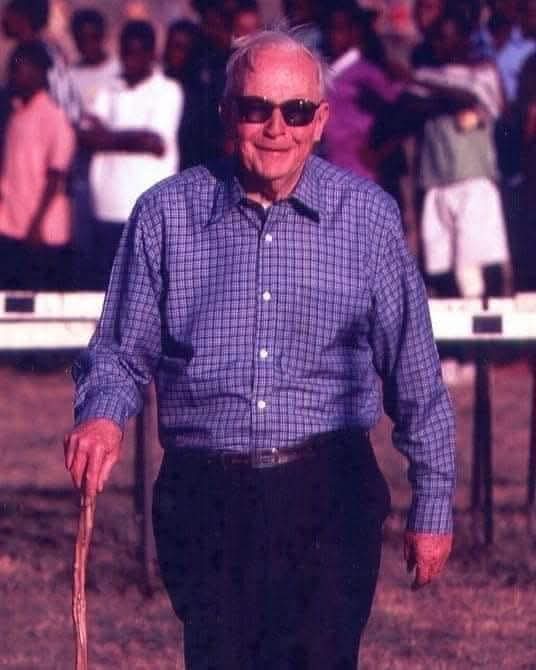
Born on June 13, 1933, in Eldoret, Geoffrey William Griffin was the son of an English police officer who had arrived in Kenya in 1919 and his mother was of English descent who had been born in India.
Although British by ancestry, Griffin was born and raised in Kenya and spent virtually his entire life serving the country he considered home.
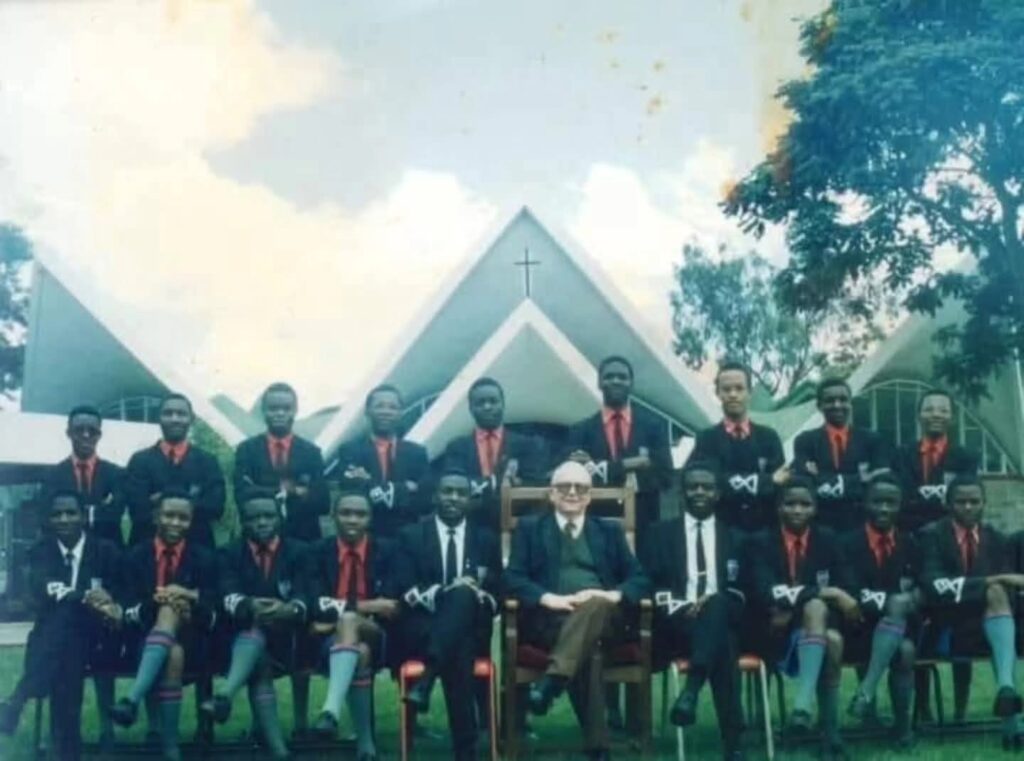
He received his early education at Kitale Primary School before joining the prestigious Prince of Wales School, now known as Nairobi School, between 1945 and 1950.
After completing his studies, he joined the Survey of Kenya as a cadet.
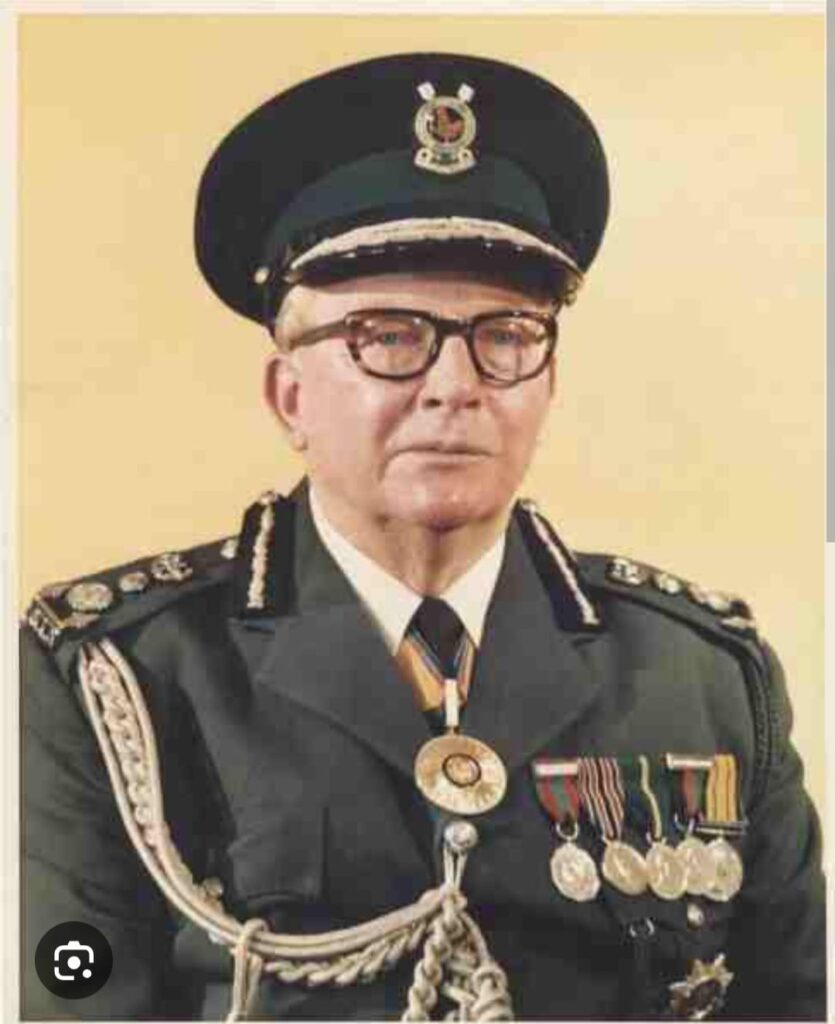
However, his life would soon take a dramatic turn following the declaration of the State of Emergency during the Mau Mau uprising in 1952.
Griffin underwent military training with the Kenya Regiment and later served in the Special Police Reserve before being commissioned into the 3rd Battalion of the King’s African Rifles.
During the conflict according to some of the historians who talked to DNK-International, he witnessed the brutality and suffering inflicted on both sides.
The experience profoundly changed him.
Disillusioned by the violence, he declined to renew his military commission and instead dedicated himself to helping young people affected by the conflict.
His humanitarian journey led him to Manyani Detention Camp, where he supervised juvenile detainees, many of whom were children caught in the turmoil of the Emergency period.
It was there that he met former Mau Mau fighters Geoffrey Gatama Geturo and Joseph Kamiru Gikubu.
Though they had once stood on opposing sides of the conflict, the three men found common purpose in helping orphaned and vulnerable children whose lives had been shattered by war.
Out of that shared vision emerged one of Africa’s greatest educational institutions.
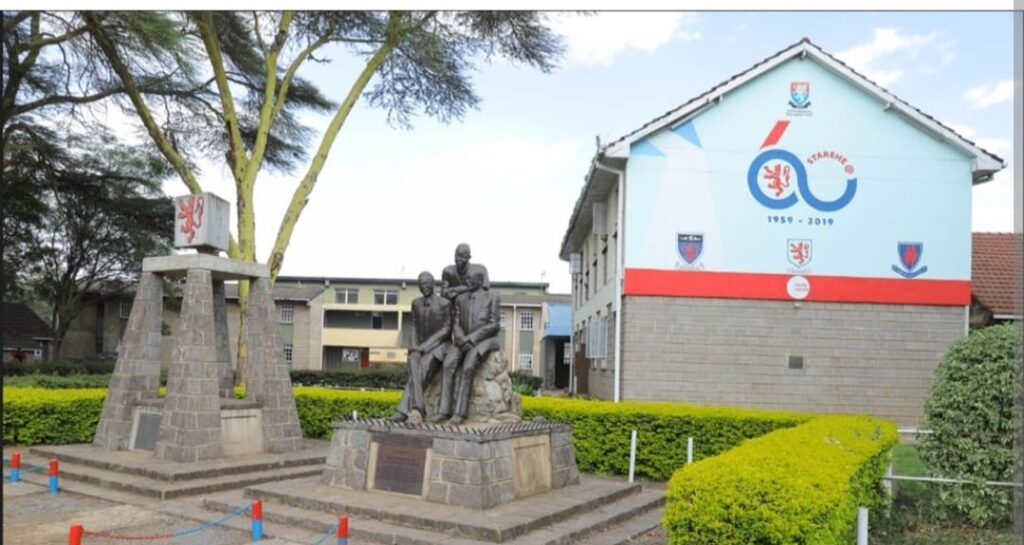
In 1959, at only 26 years old, Griffin, alongside Geturo and Gikubu, established Starehe Boys Centre in Nairobi.
The institution began with two modest tin huts donated by Shell/BP and housed only 17 boys rescued from Nairobi’s streets.
Many of the children were orphans whose parents had either died, been imprisoned, or been displaced during the Emergency period.
The name “Starehe,” a Swahili word meaning comfort, peace or tranquility, reflected Griffin’s dream of creating a place where vulnerable children could find hope and dignity.
What started as a rescue centre gradually evolved into one of Kenya’s most respected schools.
Driven by an unwavering belief that poverty should never deny a child access to education, Griffin built a unique model that combined academic excellence, discipline, leadership, service and character formation.
Students from needy backgrounds received free or heavily subsidized education while those from wealthier families paid fees that helped sustain the institution.
His philosophy was simple but demanding:Discipline was non-negotiable,excellence was expected,service to society was mandatory.
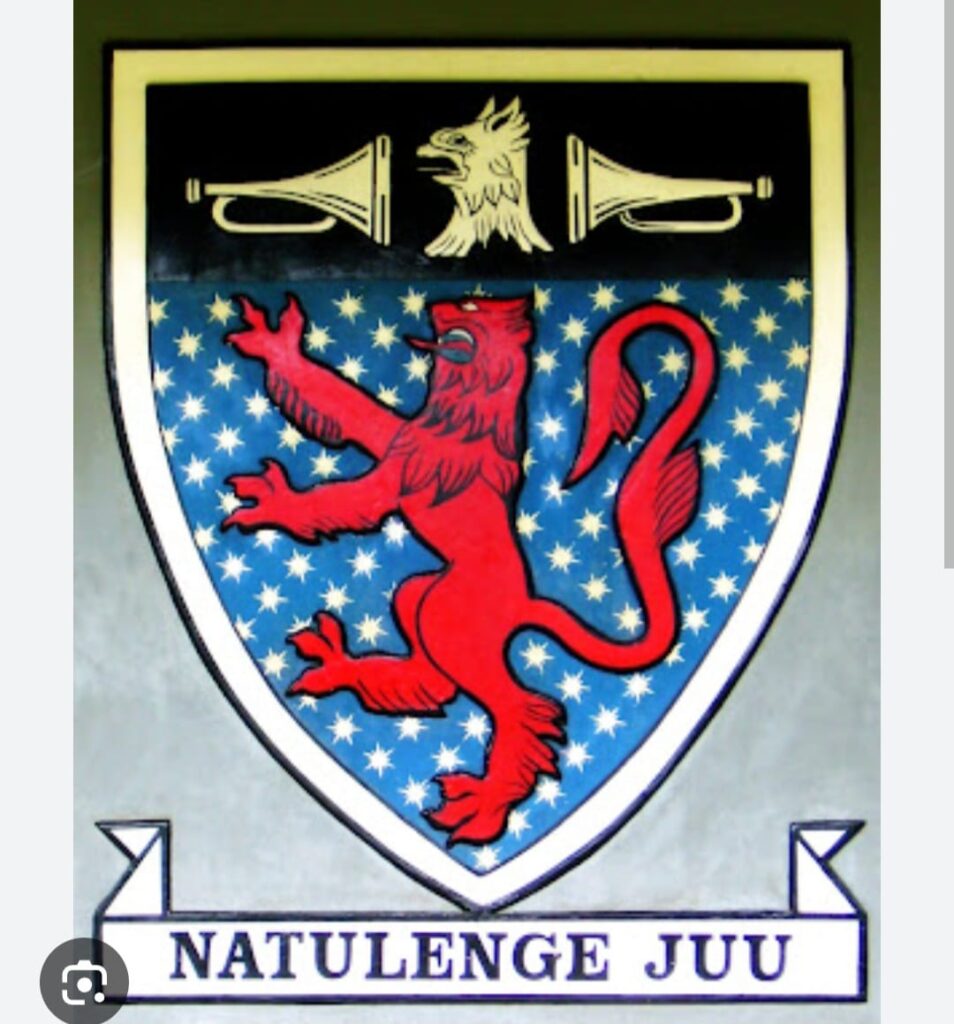
The famous inscription outside his office captured his life’s mission: “Happy are those who dream dreams and are ready to pay the price to make them come true.”
The results spoke for themselves.
During Griffin’s tenure, Starehe consistently ranked among Kenya’s top performing schools in national examinations.
The institution produced some of the country’s brightest minds, including cabinet ministers, diplomats, professors, doctors, corporate executives,sports men and public servants.
Academic excellence became synonymous with the Starehe name, with the school regularly competing with and often outperforming Kenya’s leading national schools.
Beyond academics, Griffin emphasized leadership and community service.
Students were required to participate in voluntary service programmes in hospitals, government offices and community institutions, a culture that nurtured responsibility and patriotism.
His success at Starehe caught the attention of Kenya’s post-independence leadership.
Recognizing his exceptional ability to mentor young people, the government entrusted him with another monumental task,helping establish the National Youth Service (NYS).
Griffin became the founding Director of the NYS, working alongside freedom fighter Waruhiu Itote, popularly known as General China, who became one of the highest ranking Kenyan leaders within the institution.
Other key figures associated with the formation and development of the NYS included the late J.M. Kariuki and the late Tom Mboya.
Under Griffin’s stewardship, the NYS became a major vehicle for youth empowerment, national service and skills development.
Throughout his life, Griffin enjoyed support from successive Kenyan governments regardless of political differences.
Founding President Jomo Kenyatta recognized his contribution to education and youth development by awarding him the Moran of the Order of the Burning Spear (MBS) in 1970.
President Daniel arap Moi became one of Starehe’s strongest supporters.
Moi frequently praised Griffin’s educational philosophy and recognized the school’s contribution to national development.
During Moi’s administration, Starehe continued to expand and strengthen its reputation as a centre of excellence.
In 1986, Moi honoured Griffin with the Moran of the Order of the Golden Heart (MGH), one of Kenya’s highest national honours.
President Mwai Kibaki, who deeply admired Griffin’s work, became Patron of Starehe Boys Centre.
Kibaki frequently described Starehe as a model institution and supported efforts to strengthen its financial sustainability.
Following Griffin’s death, Kibaki launched the Griffin Memorial Endowment Trust to ensure that needy students would continue accessing quality education through the institution he had built.
Despite dedicating his life to thousands of children, Griffin never married and remained a bachelor throughout his life.
Those who knew him closely often observed that Starehe itself became his family.
His days revolved around students, staff and the institution’s growth.
He reportedly believed that the enormous responsibility of caring for generations of disadvantaged children demanded his complete devotion.
To many former students, he became a father figure whose influence extended far beyond the classroom.
His personal life reflected remarkable simplicity.
Despite international recognition and numerous honours, he maintained modest habits and preferred spending his time among students.
He was known for remembering names, checking on struggling learners and personally intervening whenever a student’s welfare was at stake.
His contribution attracted global admiration.
In 2002, Queen Elizabeth II appointed him an Officer of the Order of the British Empire (OBE).
He also received an honorary doctorate in Education from Kenyatta University in recognition of his transformative work.
Even in his later years, Griffin continued pursuing new dreams.
One of his final ambitions was establishing a girls’ institution based on the Starehe philosophy.
His efforts eventually led to the creation of Starehe Girls Centre, which opened its doors in 2005, only months before his death.
On June 28, 2005, Kenya lost one of its greatest educators when Dr Geoffrey William Griffin died at Nairobi Hospital after battling colon cancer.
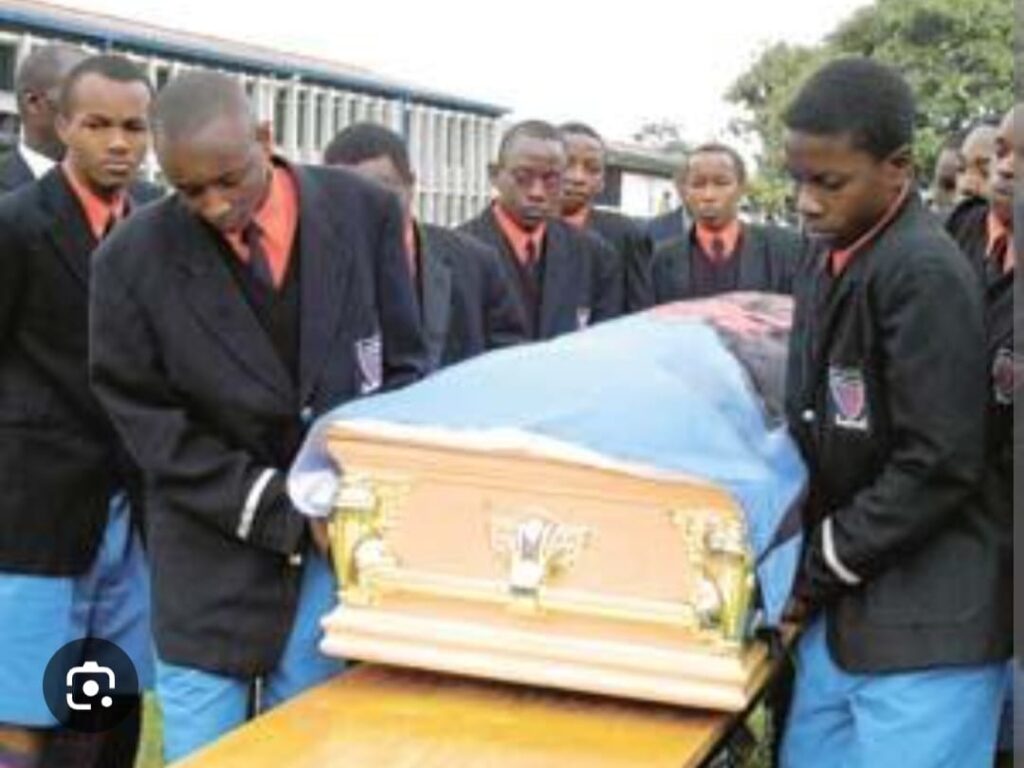
He was 72 years old and had led Starehe for 46 years.
His death triggered a wave of national mourning.
Leaders, former students, parents and ordinary Kenyans paid tribute to a man who had changed countless lives.
On July 8, 2005, he was laid to rest inside the chapel grounds of Starehe Boys Centre, the institution he had nurtured from two tin huts into a world renowned centre of excellence.
Today, more than two decades after his death, Griffin’s legacy continues to inspire generations.
Children have been named in his honour, memorial funds established in his memory and thousands of former students continue to celebrate the values he instilled in them.
Perhaps no words summarize his life better than the message he left behind for his students shortly before his death: “Happy are those who dream dreams and are willing to make the sacrifices to make them come true.”
For Kenya, Geoffrey Griffin was more than an educator. He was a dream bearer, a nation builder and a man who proved that one person’s vision can transform the destiny of generations.
Want to be featured? or have a personality want to know about him or her:
📞WhatsApp: ±2540703633820,±254754168624
✉️ Email: dailynewskenya0@gmail.com
🗓️ [DNK-International@June 2,2026]