DNK International
 By Our Reporter,Nairobi
Few Kenyan intellectuals have generated as much admiration, controversy and political debate as Prof. Makau Wa Mutua.
For more than four decades, he has been a powerful voice in the struggle for human rights, constitutionalism and democratic reforms, transforming himself from a young law student in rural Kenya into one of Africa’s most recognized legal scholars and human rights advocates.
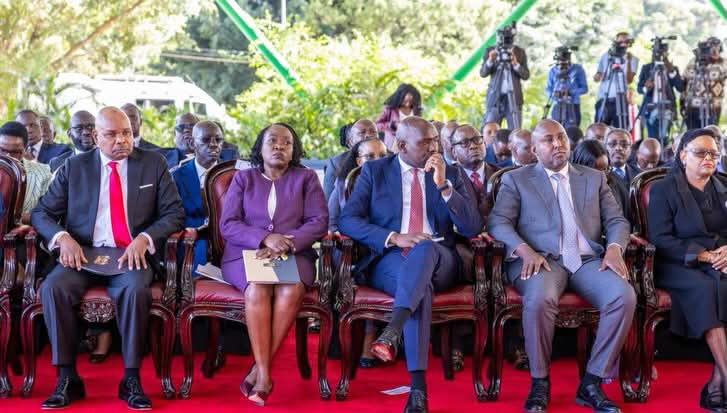
His journey has taken him from activism against authoritarian rule, to exile abroad, to advising opposition leaders, and eventually into a working relationship with the government of President William Ruto despite years of being identified with opposition politics.
Born in 1958 in Kitui County, Prof. Mutua grew up during the formative years of independent Kenya.
His early education laid the foundation for a career that would eventually place him among the world’s leading scholars in international law and human rights.
After completing his primary and secondary education in Kenya, he pursued legal studies at the University of Nairobi, where he earned a Bachelor of Laws (LL.B) degree.
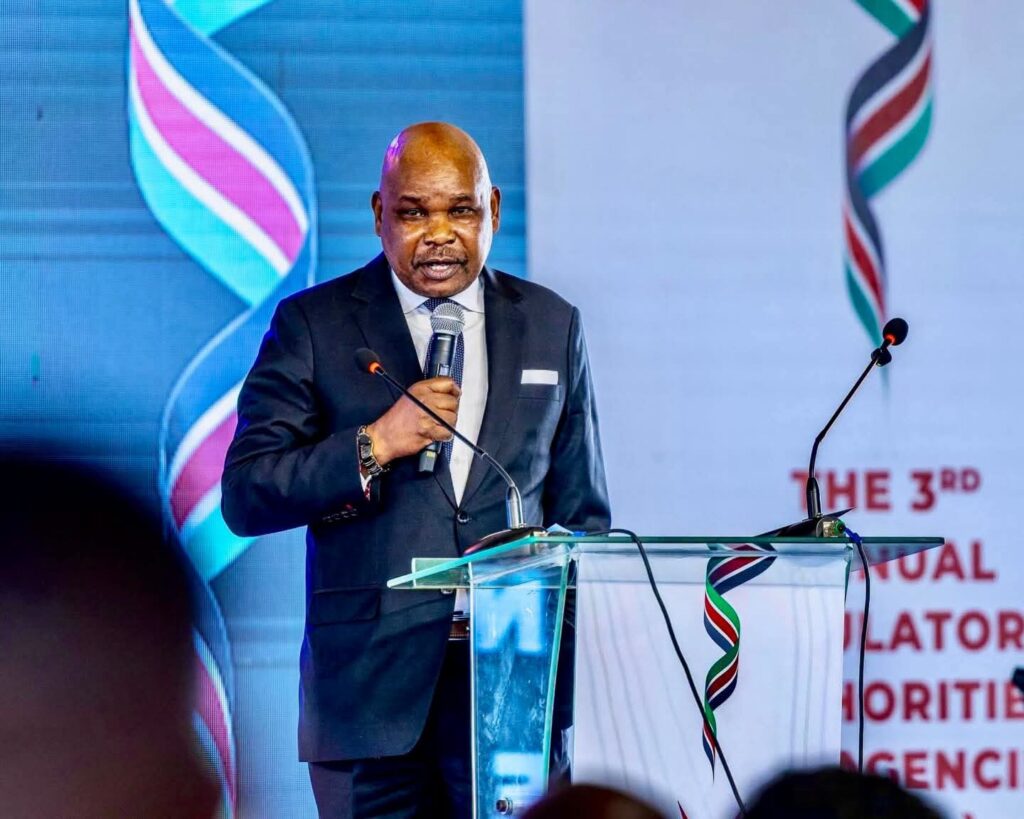
Driven by a passion for legal scholarship and justice, he later moved to the United States, earning a Master of Laws (LL.M) degree from Harvard Law School before obtaining a Doctor of Juridical Science (S.J.D.), the highest law degree offered by the institution.
His academic specialization focused on international law, human rights law, constitutional law and political governance.
These fields would define much of his professional life and activism.
Over the years, he built a distinguished academic career in the United States, teaching at several institutions before becoming a professor at State University of New York at Buffalo, where he later served as Dean of the Law School.
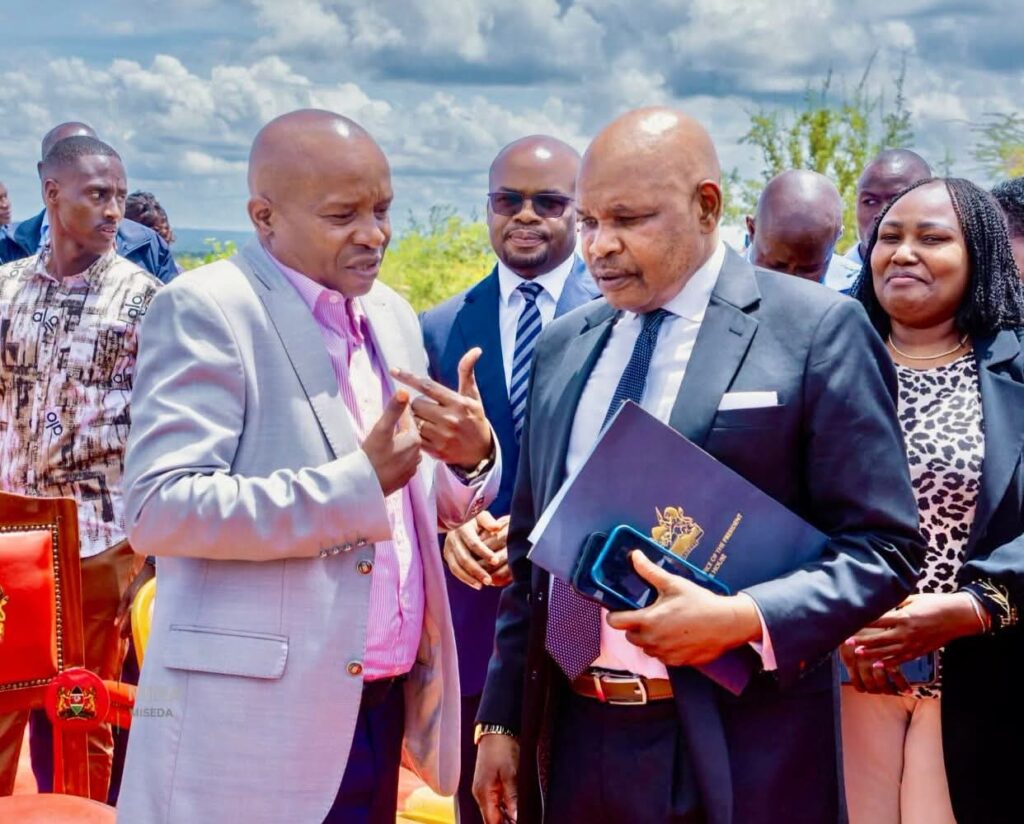
His scholarship on human rights, state power and governance earned him international recognition, with his books and academic papers widely cited in legal and policy circles.
Beyond academia, Mutua became deeply involved in Kenya’s democracy movement during the 1980’s and 1990’s when President Daniel arap Moi’s government faced growing pressure from activists demanding political reforms and multi-party democracy.
During this period, Mutua aligned himself with pro-democracy campaigners, lawyers, academics and civil society activists who challenged authoritarian governance and human rights abuses.
His outspoken criticism of the Moi administration made him a target of state scrutiny, eventually contributing to his decision to remain abroad for extended periods as many activists faced intimidation, arrests and political persecution.
While in the United States, Mutua became one of the most prominent Kenyan voices advocating for democratic reforms.
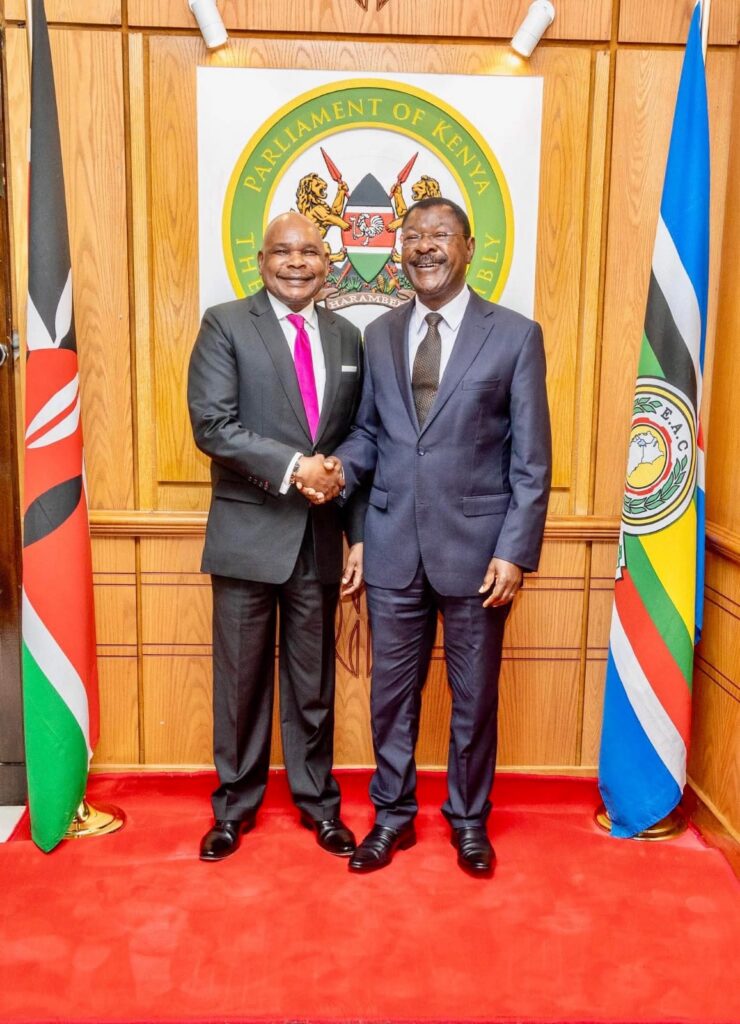
Through articles, public lectures and international advocacy, he consistently criticized human rights violations and pushed for constitutional change in Kenya.
His activism extended beyond Kenya, as he also worked in international human rights institutions, including serving as Director of the Human Rights Center at Harvard Law School and later participating in global initiatives focused on justice, governance and human rights protection.
Throughout the years, Mutua often aligned himself with opposition politics and reform movements.
He publicly supported various leaders who challenged successive governments and became one of the country’s most influential political commentators.
His relationship with opposition leader and ODM leader the late Raila Odinga grew particularly strong.
Mutua frequently defended Raila’s reform credentials and viewed him as a key figure in Kenya’s democratic evolution.
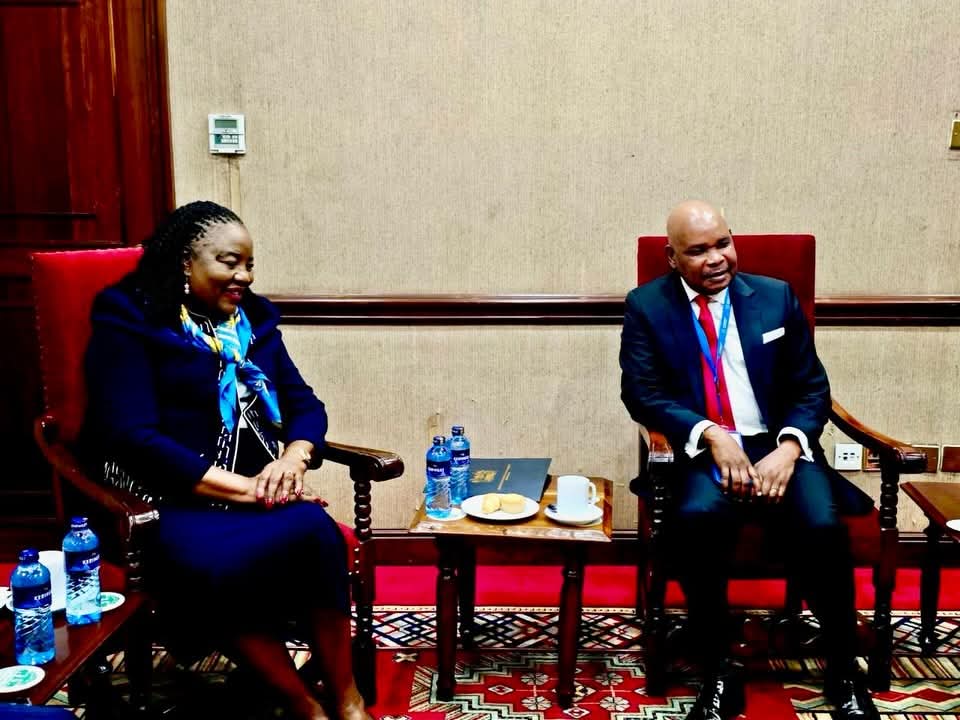
During several election cycles, he emerged as one of Raila’s most vocal supporters both locally and internationally.
The relationship reached its peak ahead of the 2022 General Election when Mutua accepted the role of spokesperson for Raila Odinga’s presidential campaign under the Azimio la Umoja coalition. In that position, he became one of the coalition’s most visible defenders, appearing frequently in media interviews and political forums.
His eloquence, legal expertise and sharp political analysis made him an influential voice within Raila’s campaign machinery.
At the time, few observers imagined that he would later work closely with a government led by Raila’s chief political rival, President William Ruto.
Following the 2022 election, in which Ruto emerged victorious, Mutua initially remained aligned with opposition politics.
However, Kenya’s political landscape shifted significantly after the rapprochement between Ruto and Raila in subsequent years.
As national reconciliation efforts gained momentum, Mutua gradually adopted a more collaborative approach toward the government.
His decision reflected his long held position that national interests should sometimes transcend partisan political divisions.
In 2025, President Ruto appointed Prof. Mutua as Chairperson of the Presidential Taskforce and Compensation Committee dealing with victims of historical injustices, torture and human rights abuses committed during previous regimes.
The appointment coincided with yesterday President Ruto’s announcement of a Sh2 billion compensation package for victims who had suffered torture, unlawful detention, political persecution and other abuses during Kenya’s struggle for democracy.
The role placed Mutua at the center of one of the country’s most significant transitional justice initiatives.
Many observers saw the appointment as fitting for a man who had spent decades advocating for human rights and justice.
L
As chairman, Mutua was tasked with helping guide the compensation process, ensuring recognition of victims and advancing national healing.
The appointment also symbolized a remarkable political journey,from critic of government excesses and ally of opposition movements to a senior figure entrusted by the state to oversee historical justice efforts.
Throughout his public life, Mutua has become known for provocative and memorable statements.
He has often argued that democracy requires constant vigilance and has repeatedly warned against the concentration of power.
One of his enduring themes that DNK-International was able to capture has been that Kenya’s future depends on strong institutions rather than powerful individuals.
His commentaries frequently challenge political elites across the divide, earning him both admirers and critics.
He has never shied away from controversial debates, often using blunt language to spark national conversations on governance, corruption, ethnicity and constitutionalism.
His critics have sometimes accused him of political inconsistency, particularly regarding his transition from fierce government critic to collaborator with the Ruto administration.
Supporters, however, argue that his career has always been guided by principles of justice, reform and national interest rather than rigid political loyalties.
They point to his decades long record in human rights advocacy as evidence of a consistent commitment to democratic values.
Away from politics, Mutua remains one of Africa’s most accomplished legal scholars.
His academic writings on human rights, international law and governance continue to influence students, policymakers and researchers around the world.
His contributions have earned him appointments to numerous international boards, commissions and advisory bodies focused on justice and human rights.
Married and a father, Mutua has often balanced public activism with academic excellence, a combination that has distinguished him from many political commentators.
His life story mirrors key chapters of Kenya’s democratic evolution,from the one party era, through the struggle for multiparty democracy, constitutional reform, contested elections and national reconciliation.
Today, Prof. Makau Mutua stands as one of Kenya’s most recognizable public intellectuals: a lawyer, scholar, activist, reform advocate, former exile, political strategist and government appointee whose influence has extended far beyond lecture halls into the heart of Kenya’s political transformation. Whether praised or criticized, his voice remains one of the most consequential in the country’s ongoing conversation about justice, democracy and the future of governance.
Want to be featured? or have a personality want to know about him or her:
📞WhatsApp: ±2540703633820,±254754168624
✉️ Email: dailynewskenya0@gmail.com
🗓️ [DNK-International@June 16,2026]