DNK International
 By Xavier Lugaga,Busia
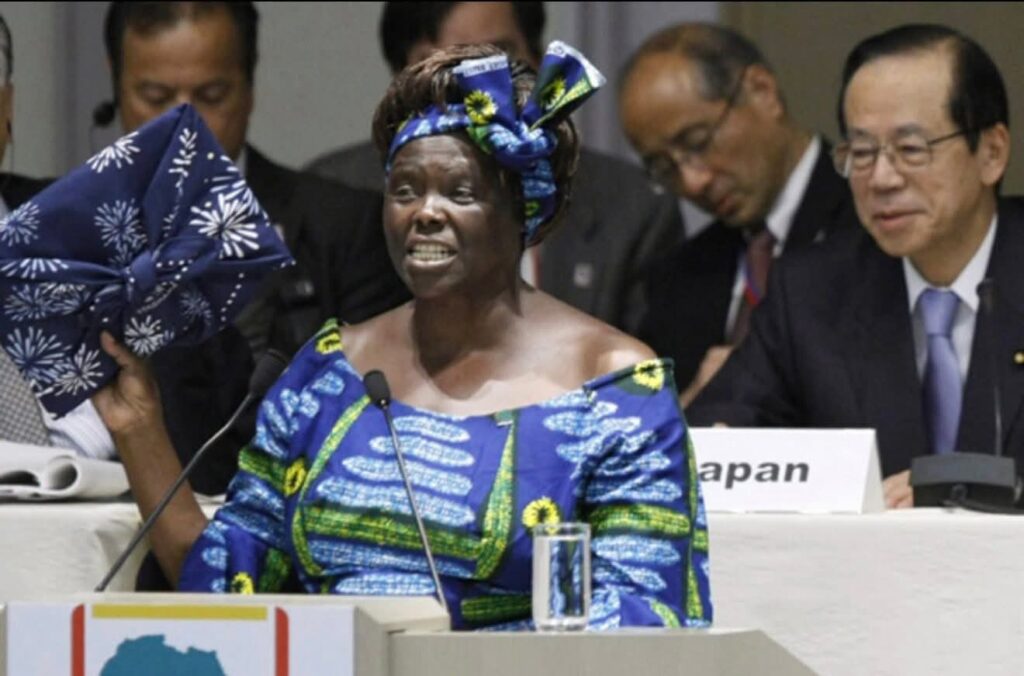
Prof.Wangari Muta Maathai’s life unfolded like a quiet storm,rooted in the soil of rural Kenya, yet powerful enough to challenge a nation’s political order and inspire the world.
Born in 1940 in the highlands of Nyeri County, she grew up surrounded by clear rivers, fertile land, and dense forests.
These early experiences shaped her deep connection to nature,memories that would later fuel her lifelong fight against environmental destruction.
Her journey took a transformative turn through the Kennedy Airlift, which enabled her to study in the United States.
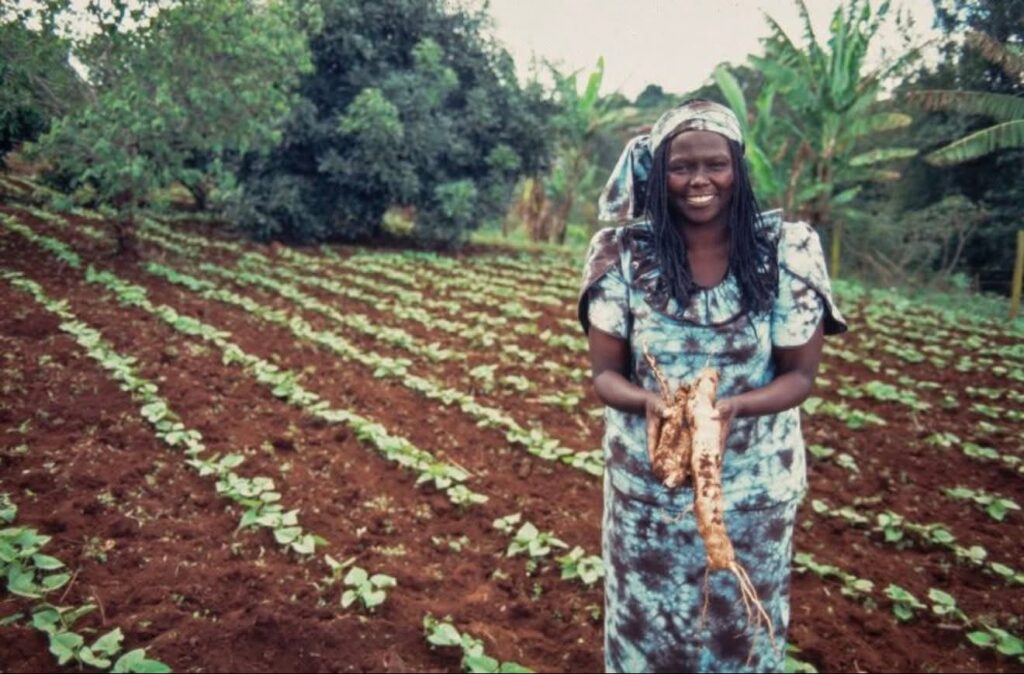
There, she pursued biological sciences, sharpening a curiosity that would evolve into bold activism.
On returning to Kenya, Maathai shattered barriers, becoming the first woman in East and Central Africa to earn a PhD and later rising to a senior academic role at the University of Nairobi.
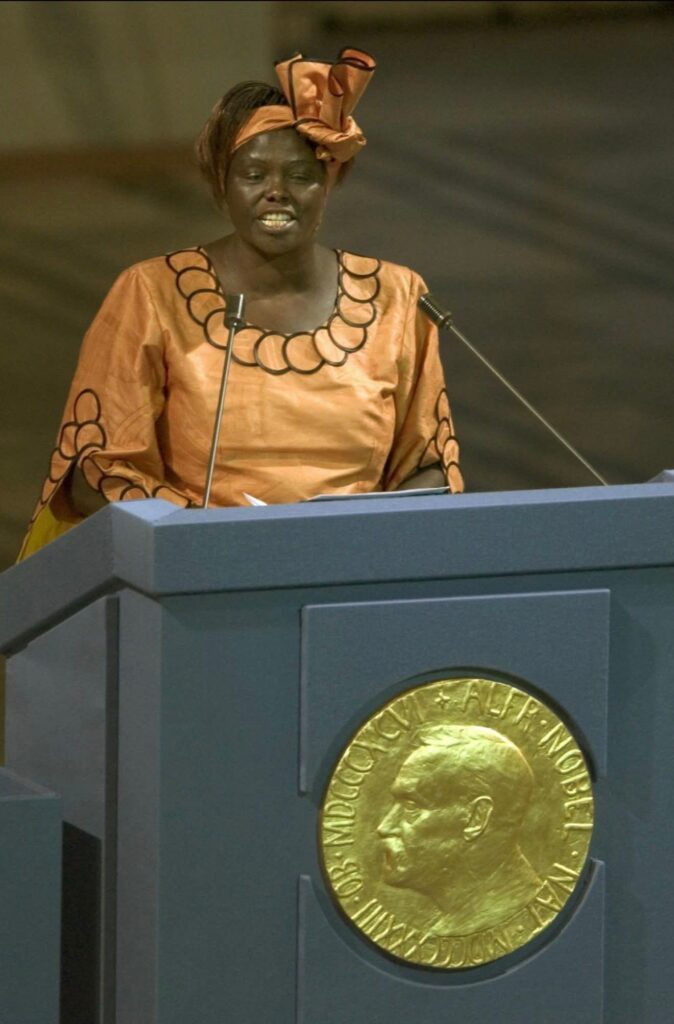
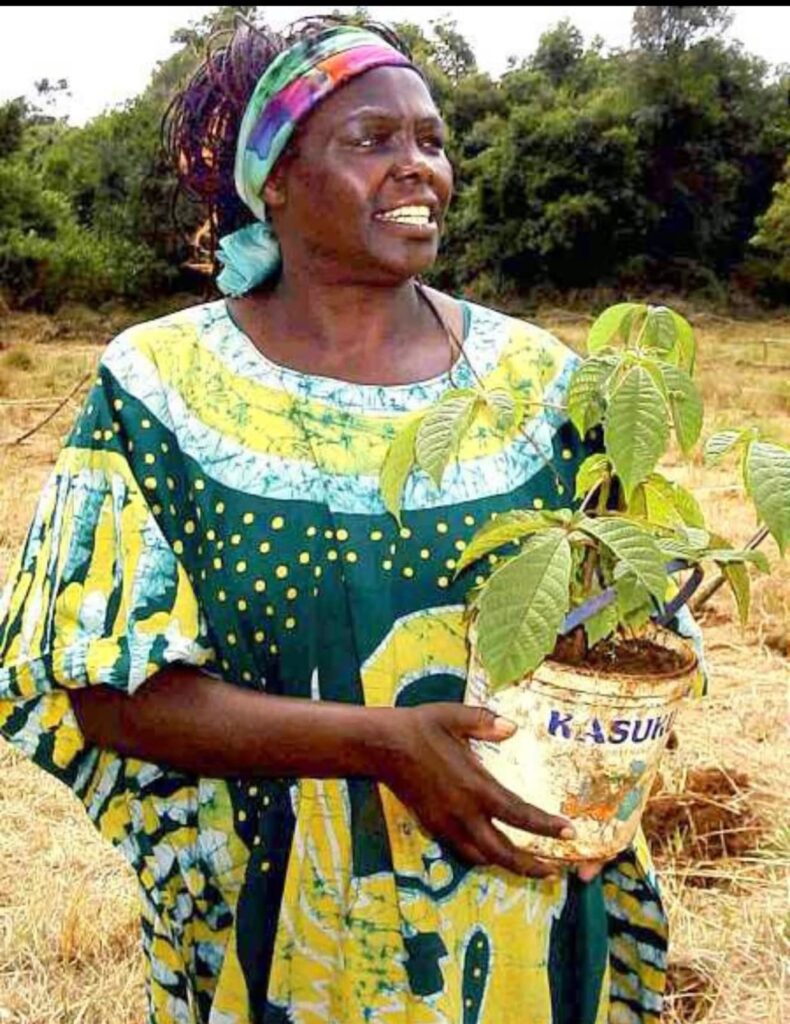
But her true calling lay beyond academia.In 1977, she founded the Green Belt Movement,a grassroots initiative that began with tree planting but quickly grew into a movement for environmental conservation, women’s empowerment, and social justice.
Rural women, long marginalized, found purpose and voice through her work.What began as planting trees soon evolved into questioning land grabbing, ecological degradation, and political accountability.
That questioning placed her on a collision course with power.During the rule of Daniel arap Moi and the dominance of Kenya African National Union (KANU) dissent was risky especially from a woman.
Maathai faced relentless intimidation: surveillance, public ridicule, and state backed harassment.Yet she stood firm.
Her resistance became nationally visible when she opposed the construction of a commercial complex in Uhuru Park.
Despite threats and insults, she mobilized both local and international pressure, forcing the government to abandon the project.It was a symbolic victory that emboldened further resistance.
In the early 1990’s, her activism merged with Kenya’s pro-democracy struggle.At Freedom Corner, she joined mothers demanding the release of political prisoners.The state responded with force,she was brutally beaten and hospitalized.
Images of the crackdown drew global outrage and exposed the regime’s repression.Her fight for Karura Forest became another defining chapter.
As elites sought to privatize the forest, Maathai led protests to defend it.She and fellow activists were attacked by hired gangs, yet she repeatedly returned, refusing to surrender the cause.
Her activism came at personal cost,her marriage collapsed, she lost her job, and many distanced themselves out of fear.
Still, she endured.With the end of the Moi era and the rise of democratic reforms, Maathai transitioned from activism into formal politics.
In 2002, she was elected as the Member of Parliament for Tetu Constituency under the National Rainbow Coalition wave that swept Mwai Kibaki into power.While in Parliament, she carried her activism into policy.
She was appointed Assistant Minister for Environment, Natural Resources, and Wildlife, where she championed sustainable development, environmental conservation, and governance reforms.
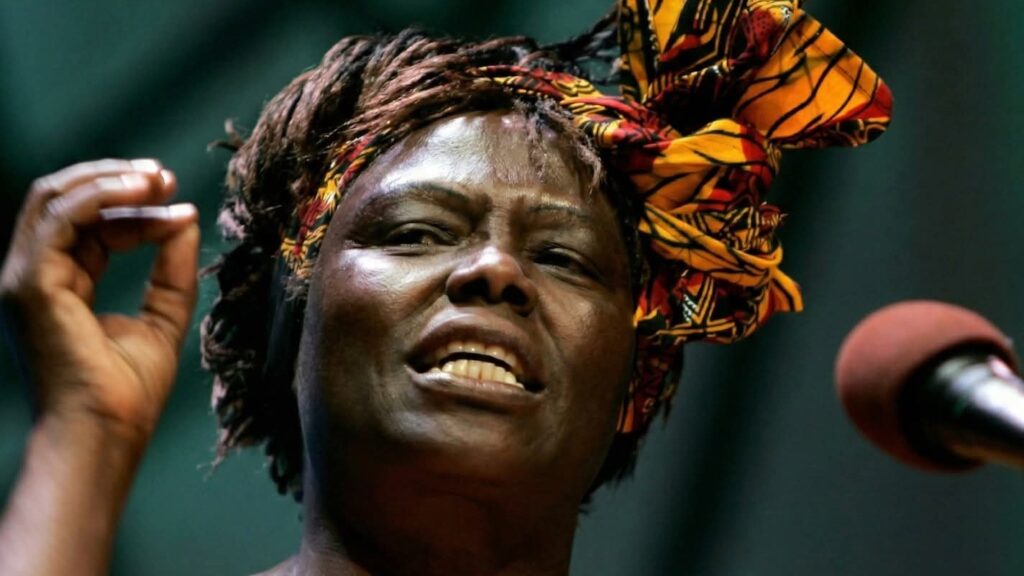
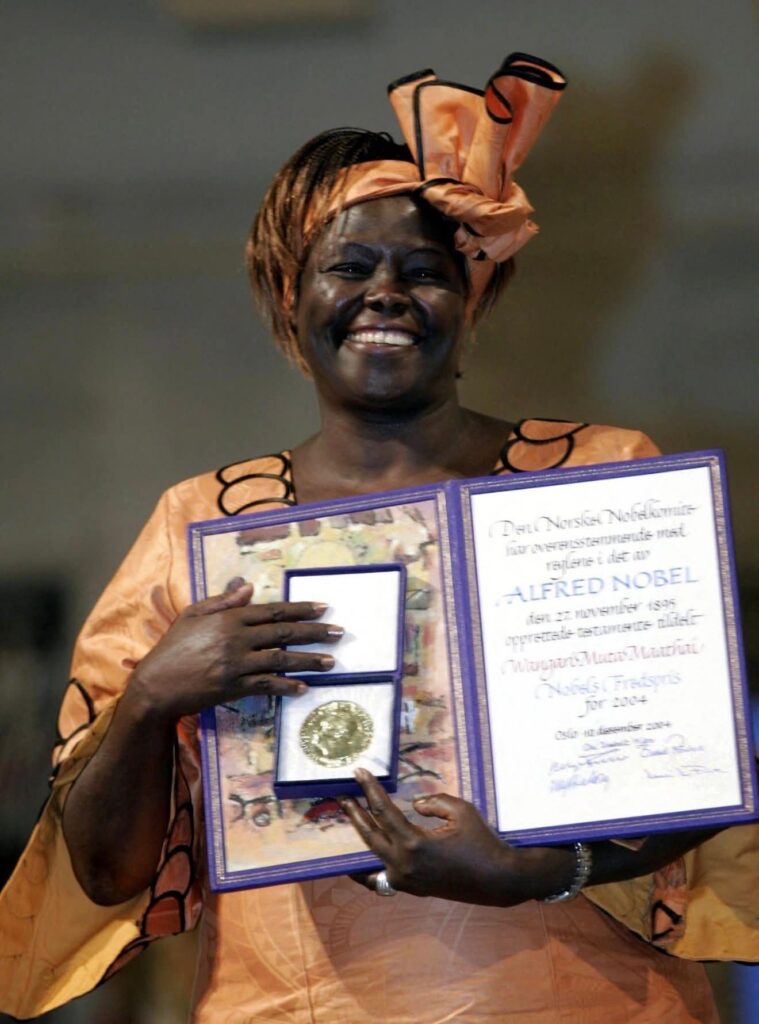
Her voice, once dismissed as dissent, became part of the state machinery shaping national policy.Her global recognition came in 2004, when she was awarded the Nobel Peace Prize becoming the first African woman to receive the honor.
The award acknowledged not just her environmental work, but her courage in linking ecological conservation with human rights, democracy, and peace.Wangari Maathai’s legacy is not simply in the millions of trees planted.
It lives in the idea that ordinary people especially women can rise, resist, and rebuild.She proved that protecting the environment is inseparable from defending dignity, justice, and freedom.
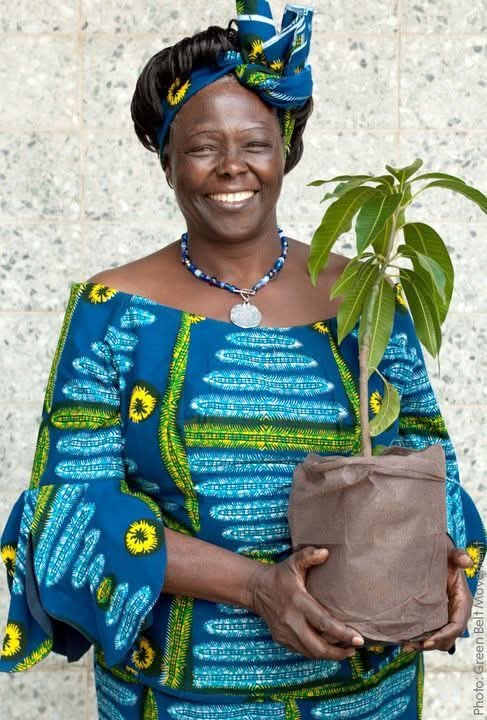
She did not just grow forests but grew a movement that outlived fear and reshaped history.
Want to be featured? or have a personality want to know about him or her:
📞WhatsApp: ±2540703633820,±254754168624
✉️ Email: dailynewskenya0@gmail.com
🗓️ [DNK-International@April
14,2026]