DNK International
 By Our Correspondent,Nyahururu
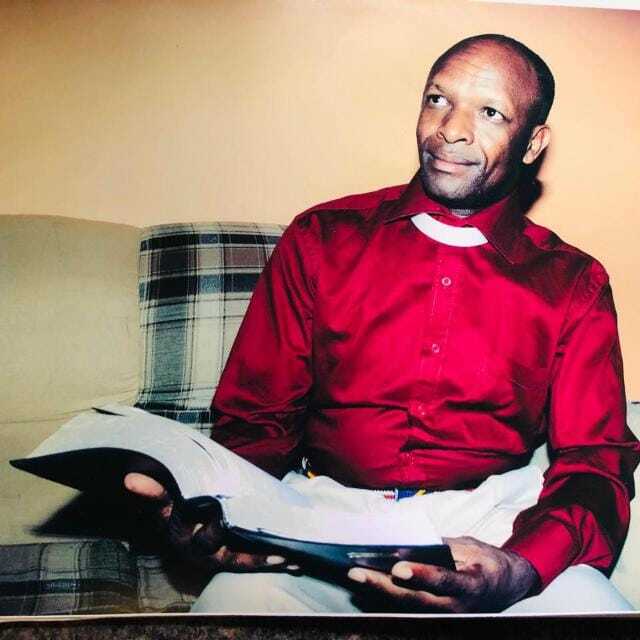
The Akorino fraternity in Kenya is in mourning following the death of Archbishop Stanley Gichuru.
He’s a respected cleric whose decades long ministry shaped the spiritual and social fabric of the Akorino community.
Archbishop Gichuru died on April 15, 2026, in Nairobi after a prolonged illness, reportedly cancer, bringing to a close a life devoted to faith, leadership, and service.

Gichuru according to information obtained by DNK-International rose from humble beginnings into one of the most recognizable figures within the Akorino church, though detailed public records about his exact birthplace, early childhood, and age at the time of his death remain limited.
His journey into ministry began at a relatively young age when he embraced preaching within local Akorino congregations, steadily building his reputation as a committed evangelist and spiritual mentor.
His educational background was largely grounded in theological formation within the Akorino religious tradition, where doctrine, discipline, and experiential learning shaped his leadership path.
Over the years, he held several influential positions within the church, including serving as a bishop and senior overseer, roles that placed him at the center of guiding doctrine, mentoring clergy, and strengthening church structures across regions.
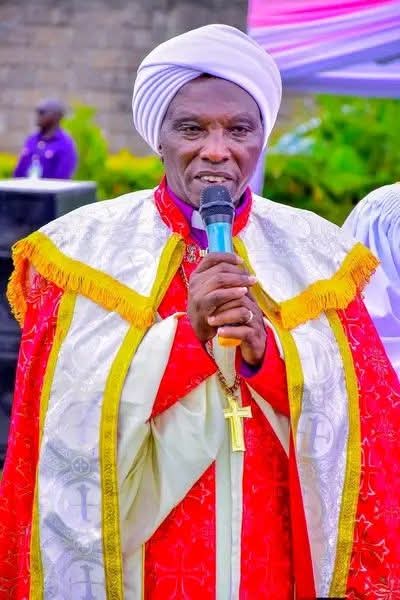
Gichuru’s elevation to Archbishop came after years of consistent service and demonstrated leadership, driven by what close associates described as a deep personal calling to expand and solidify the identity of the Akorino faith in Kenya.
His acceptance of the role was seen not as a pursuit of power, but as a continuation of his lifelong mission to serve and unify believers.
During his tenure, Archbishop Gichuru extended his influence beyond the pulpit, becoming a recognizable voice in Kenya’s broader religious and social discourse.
He was part of high level engagements involving religious leaders and occasionally interacted with political figures, symbolizing the growing recognition of the Akorino sect within national affairs. While he largely maintained a non partisan stance.
His presence in such forums reflected the intersection of faith and governance in the country.
Socially, he was widely regarded as a father figure, known for mentoring younger clergy and guiding congregants through teachings centered on humility, perseverance, and unwavering faith.
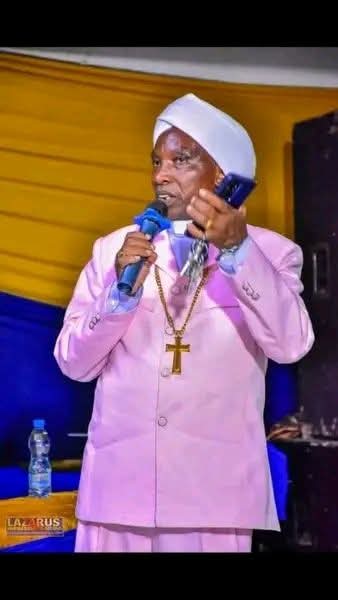
His marital life remained largely private, consistent with the traditions of many Akorino leaders, though tributes consistently described him as both a spiritual and family oriented patriarch.
Archbishop Gichuru will be remembered for his powerful yet simple messages that emphasized devotion to God, moral discipline, and unity among believers.
Though not widely documented in formal archives, his sermons and public remarks left a lasting impression on followers, many of whom now recall his words as a source of strength and guidance.
His passing leaves a significant leadership gap within the Akorino church, but his legacy endures through the generations he mentored and the spiritual foundation he helped strengthen.
As tributes continue to pour in, Archbishop Stanley Gichuru is being remembered as more than a religious leader,he stands as a symbol of faith, resilience, and the enduring influence of indigenous Christian movements in Kenya.
Want to be featured? or have a personality want to know about him or her:
📞WhatsApp: ±2540703633820,±254754168624
✉️ Email: dailynewskenya0@gmail.com
🗓️ [DNK-International@April
19,2026]