DNK International
 By Our Correspondent,Kigali
For more than two decades, Rwanda’s First Lady, Jeannette Kagame, has been one of the most influential women in Africa.
She has played a significant role in the social transformation of Rwanda while championing education, health, women’s empowerment, and national unity.
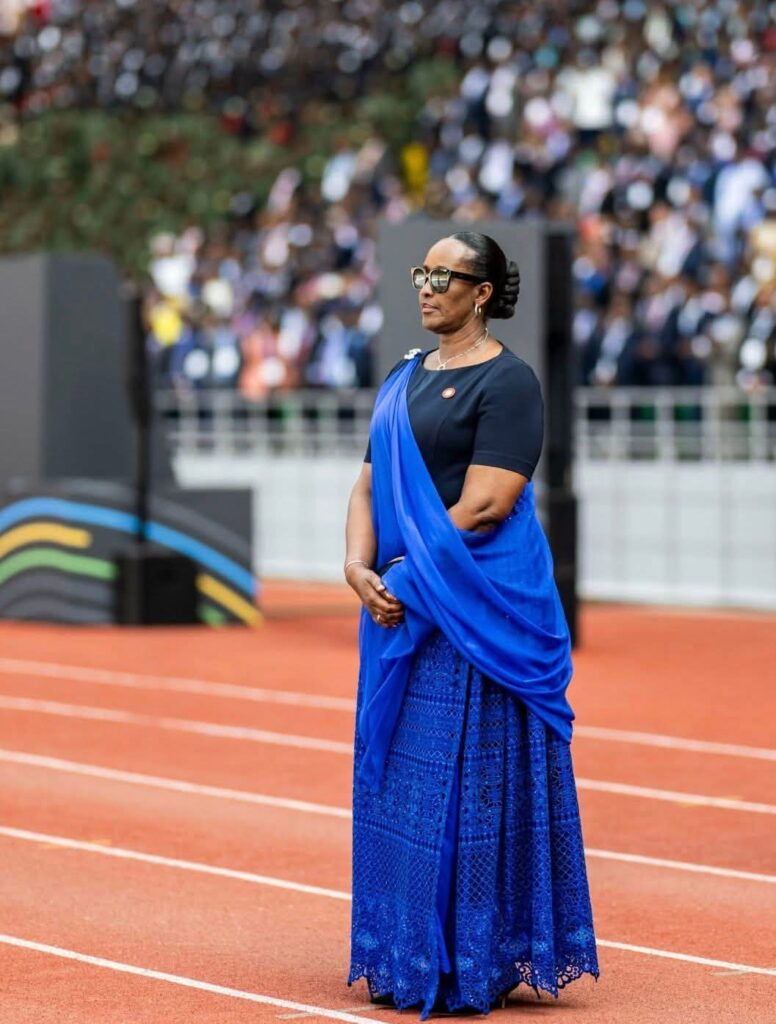
Though often seen alongside her husband, Paul Kagame, her own story is one of resilience, leadership, and a lifelong commitment to rebuilding a nation that emerged from one of the darkest chapters in modern history.
She was born Jeannette Nyiramongi on August 10, 1962, in Ngozi, Burundi and was raised among Rwandan refugees who had fled ethnic violence in their homeland.
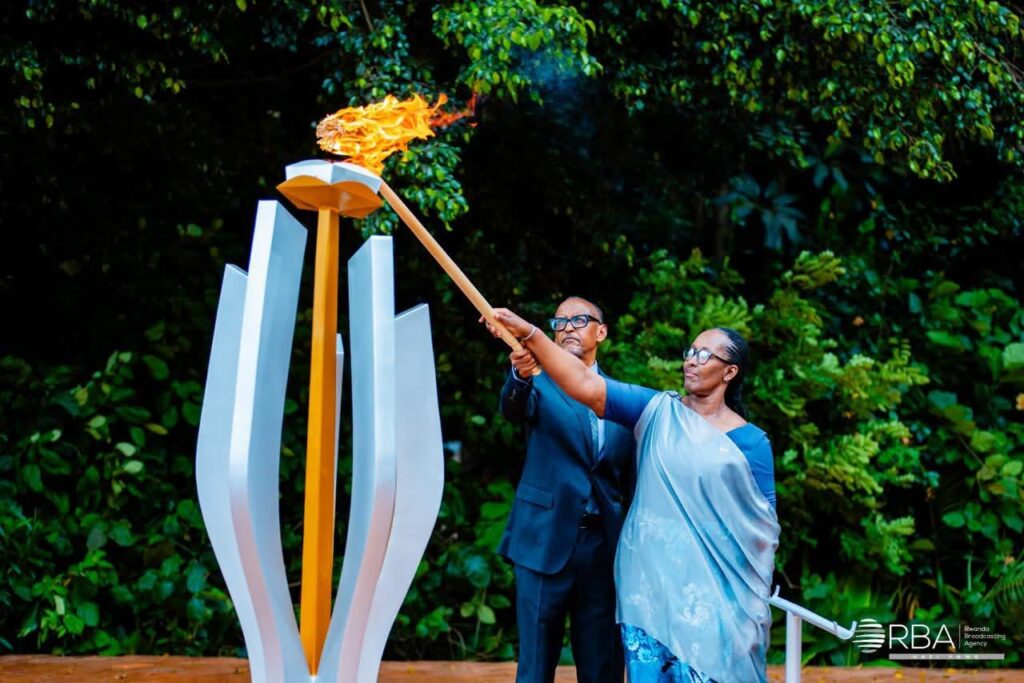
Like many members of the Rwandan diaspora, her early years were shaped by displacement and uncertainty.
She later pursued higher education and earned a degree in Business and Management Science, a qualification that would later help shape her leadership style in both philanthropy and public service.
Jeannette met Paul Kagame during the years when many Rwandan refugees were living in Uganda.
The couple married on June 10, 1989, in Uganda, several years before Rwanda’s liberation struggle and the 1994 Genocide against the Tutsi.
In a past interview with DNK-International in Kigali,the first lady disclosed that their marriage was endured through war, exile, political transition, and nation building.
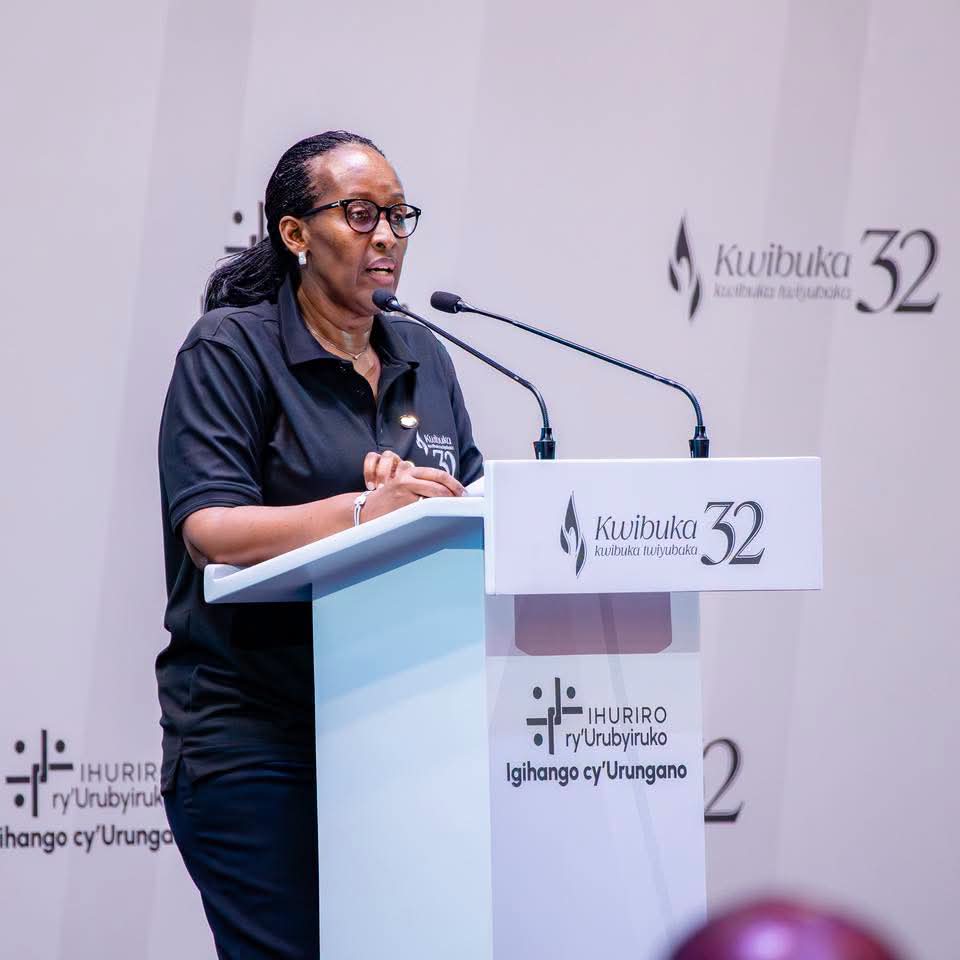
Together they have four children, including daughter Ange Kagame.
Following the end of the 1994 genocide and the return of millions of refugees, Jeannette Kagame became deeply involved in efforts aimed at healing and rebuilding Rwanda.
When Kagame became President in 2000, she assumed the role of First Lady and quickly transformed the position into a platform for social change.
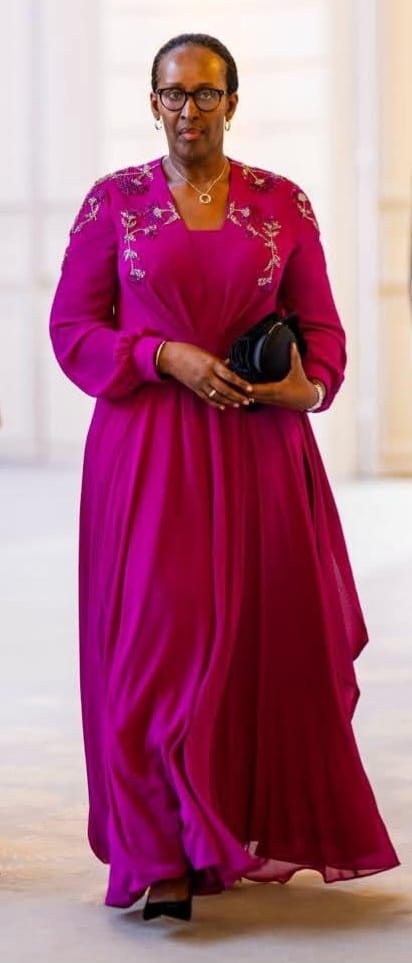
Rather than limiting herself to ceremonial duties, she became an active advocate for vulnerable groups, particularly widows, orphans, women, and young people affected by the genocide.
One of her most significant achievements was the establishment of the Protection and Care of Families Against HIV/AIDS (PACFA), which later evolved into the Imbuto Foundation.
Founded in the aftermath of the genocide, the organization initially focused on helping families affected by HIV/AIDS before expanding into a broad development foundation supporting education, health, youth empowerment, and economic development.
Under her leadership, the foundation has grown into one of Rwanda’s most influential social institutions.
Among the foundation’s flagship initiatives is the promotion of girls’ education.
Through programs such as Best Performing Girls and the 12+ Program, thousands of Rwandan girls have received mentorship, educational support, leadership training, and access to technology.
The First Lady has consistently argued that educating girls is essential for national development, helping to position Rwanda among Africa’s leading countries in gender equality and women’s representation.
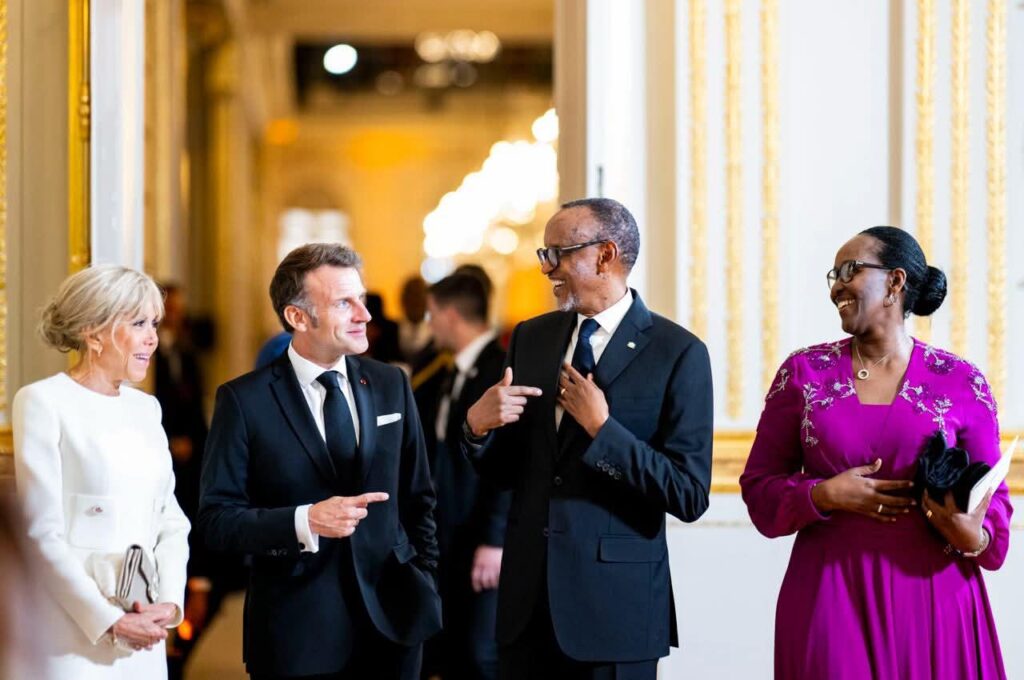
Her advocacy has also extended into healthcare. She has been a prominent voice in campaigns against HIV/AIDS and cervical cancer and has supported efforts to increase HPV vaccination among young girls.
These campaigns have contributed to broader public health awareness and improved access to preventive healthcare services across Rwanda.
Jeannette has further distinguished herself through her work in promoting national reconciliation.
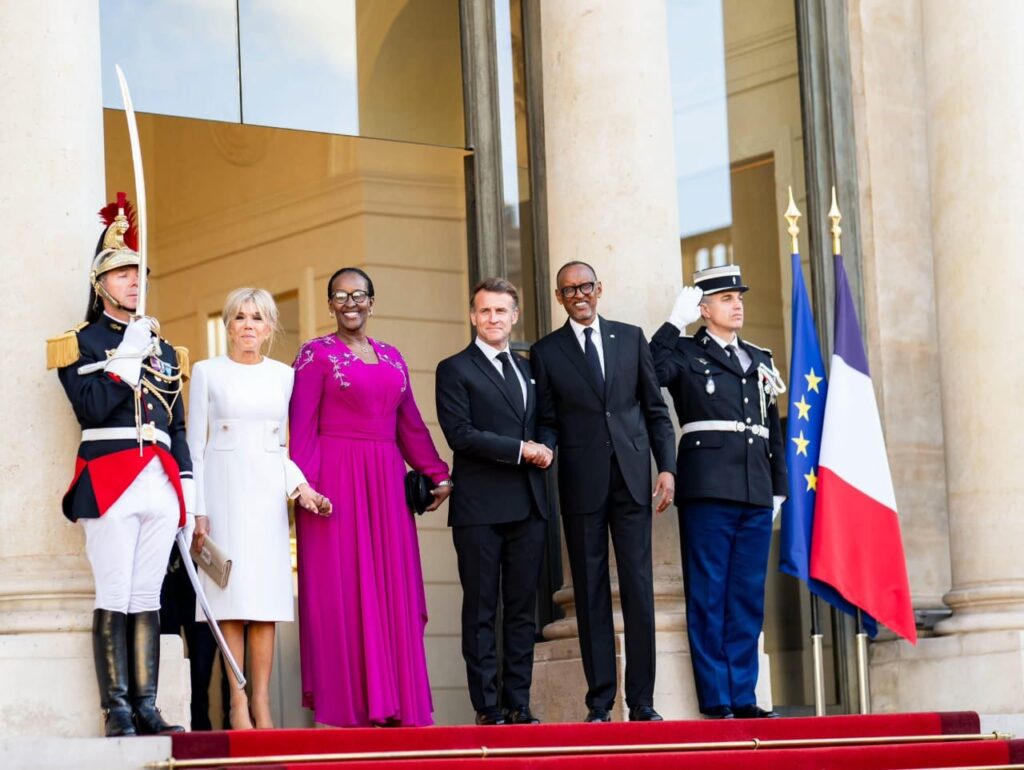
As Chairperson of the Unity Club, established after the genocide, she has supported initiatives designed to foster social cohesion, dialogue, and a shared national identity among Rwandans.
The organization has played a role in strengthening unity and encouraging citizens to move beyond ethnic divisions that fueled the genocide.
Beyond Rwanda, the First Lady has earned continental recognition.
She was a founding member of the Organization of African First Ladies for Development and served as its president between 2004 and 2006.
Through this platform, she promoted collaborative approaches among African first ladies in addressing health, education, and development challenges across the continent.
Observers of Rwandan politics often note that while President Kagame is widely recognized as the architect of Rwanda’s economic transformation, Jeannette has been instrumental in shaping the country’s social development agenda.
Her focus on education, family welfare, youth empowerment, and community resilience has complemented government efforts to rebuild institutions and strengthen social cohesion.
Although she rarely engages directly in partisan politics, her influence is frequently reflected in policies and programs centered on human development and social inclusion.
Her speeches consistently emphasize responsibility, family values, education, and service to others.
One of her recurring messages is that sustainable development begins with investing in people, particularly children and young women.
She has often highlighted the importance of nurturing future generations, a philosophy reflected in the name “Imbuto,” a Kinyarwanda word meaning “seed,” symbolizing the belief that properly nurtured individuals can grow into agents of transformation.
Today, after more than twenty years as First Lady, Jeannette Kagame remains one of Rwanda’s most respected public figures.
From her beginnings as a refugee child in Burundi to becoming a leading advocate for education, health, and national unity, her life story mirrors Rwanda’s own journey of resilience and renewal.
Through her foundations, mentorship programs, and advocacy campaigns, she has helped shape a generation of young Rwandans and has left an enduring mark on the country’s social transformation.
Want to be featured? or have a personality want to know about him or her:
📞WhatsApp: ±2540703633820,±254754168624
✉️ Email: dailynewskenya0@gmail.com
🗓️ [DNK-International@June 4,2026]