DNK International
 By Our Parliamentary Reporter
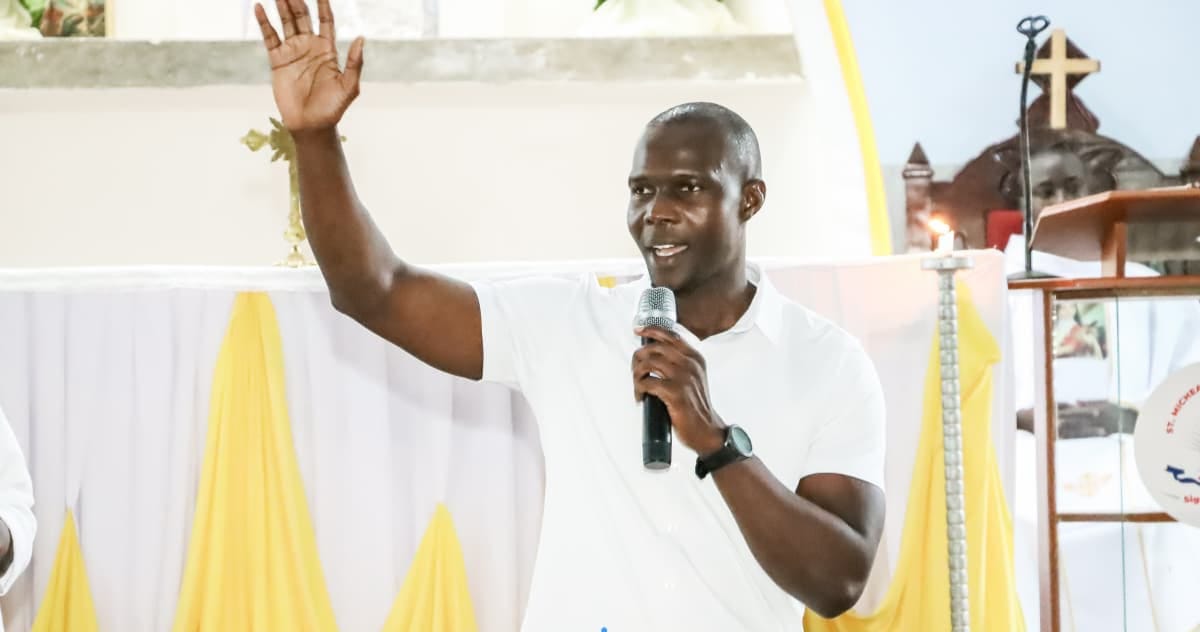
Nandi Senator Samson Cherargei has formally petitioned the National Cohesion and Integration Commission to investigate DCP boss Rigathi Gachagua over a series of public statements that he says may amount to ethnic profiling and threaten national cohesion.
In a letter dated July 27, 2026, and addressed to NCIC Chairman, Cherargei argues that Gachagua’s remarks concerning members of the Kalenjin community warrant an independent investigation under the Constitution and the National Cohesion and Integration Act.
“I write to formally request the NCIC to investigate a series of public statements made by the former Deputy President, Rigathi Gachagua, which, in my respectful view, disclose sufficient basis for investigation under the Constitution of Kenya and the National Cohesion and Integration Act,” Cherargei states in the letter.
The senator claims the remarks, made during political rallies, media interviews and other public engagements, have generated widespread public concern over their potential impact on peaceful coexistence and relations among Kenya’s ethnic communities.
According to the petition, the statements have “given rise to allegations of ethnic profiling and the association of members of the Kalenjin community with criminality, insecurity and organized violence,” raising questions over whether they violate constitutional protections against discrimination and hate speech.
Cherargei says his complaint is supported by material annexed to the letter, including a video recording and transcript of one of Gachagua’s public addresses following the alleged abduction of Juja MP George Koimburi.
He alleges that during the address, Gachagua claimed that President William Ruto, the Interior CS and the Deputy Police IG, whom he identified as members of the Kalenjin community, had formed a special police squad to target political leaders opposed to the government.
The former Deputy President is also said to have alleged that the squad comprised 20 police officers drawn specifically from the Nandi sub-community and operating under the direct command of the Deputy Inspector General of Police.
“These allegations publicly identify an ethnic community and a specific sub-ethnic community in connection with allegations of criminal conduct, abuse of State security institutions and politically motivated violence,” Cherargei says.
He argues that whether the allegations are true or false, publicly linking an identifiable ethnic community to criminal conduct is capable of fostering ethnic suspicion, reinforcing harmful stereotypes and undermining harmonious relations among Kenyans.
The senator, however, says it is the responsibility of the NCIC—not politicians—to determine whether the remarks amount to hate speech or ethnic incitement.
“The purpose of this request is therefore not to invite the Commission to reach predetermined findings, but to independently examine the annexed material, establish the full factual context in which the statements were made, and determine whether any legal or administrative action is warranted,” he says.
Cherargei further argues that the Constitution guarantees freedom of expression but notes that the right does not extend to hate speech, ethnic incitement or advocacy of hatred based on discrimination.
He cites Article 33 of the Constitution and provisions of the National Cohesion and Integration Act, which prohibit speech intended or likely to stir ethnic hatred and empower the NCIC to investigate complaints relating to ethnic discrimination and hate speech.
The senator also links the complaint to what he describes as a broader pattern of remarks allegedly made by Gachagua concerning members of the Kalenjin community.
He says some of the statements have associated members of the community with criminality and insecurity and revisited the highly sensitive events surrounding the 2007/2008 post-election violence.
“Viewed against that broader context, the statement… raises legitimate concerns as to whether there exists a recurring pattern of public discourse concerning an identifiable ethnic community that warrants independent examination by the Commission,” Cherargei says.
As Kenya moves closer to the next General Election, the senator says institutions tasked with promoting national unity must act swiftly against statements that could inflame ethnic tensions.
“Kenya’s past electoral experiences have demonstrated the profound consequences that ethnically charged rhetoric and divisive public statements can have on national unity, public confidence and the peaceful conduct of elections,” the letter states.
Cherargei has asked the commission to investigate Gachagua’s statements, obtain original recordings and transcripts, determine whether any laws were violated and, if appropriate, prosecute the former Deputy President under the National Cohesion and Integration Act and the Constitution.
[DNK-International@July 27,2026]