DNK International
By Our Reporter,Nairobi
Dr Ahmed Yakub Kalebi, OGW, is a Kenyan consultant pathologist, laboratory medicine specialist, medical entrepreneur and community leader whose journey from Kibera, Nairobi, to international recognition reflects resilience, determination and a commitment to transforming healthcare in Africa.
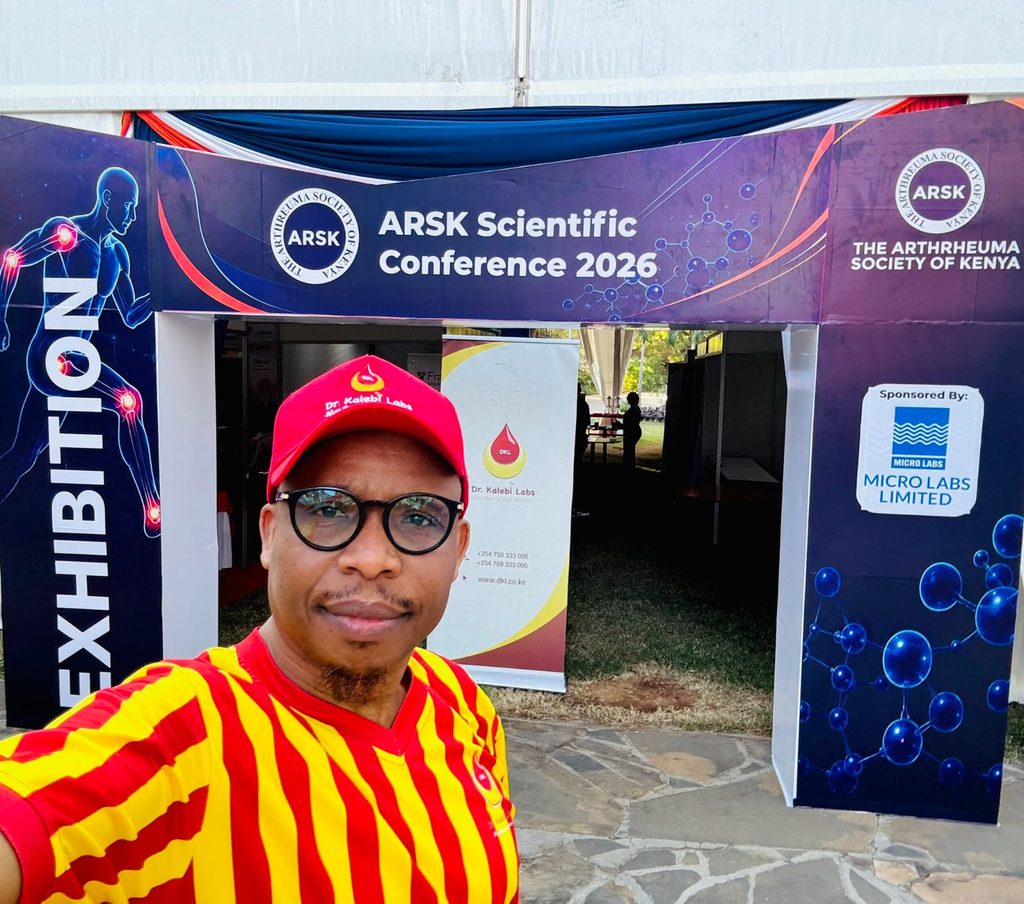
With more than two decades of experience in diagnostic pathology, medical education, professional leadership and laboratory innovation, Kalebi has established himself as one of Kenya’s prominent figures in laboratory medicine.
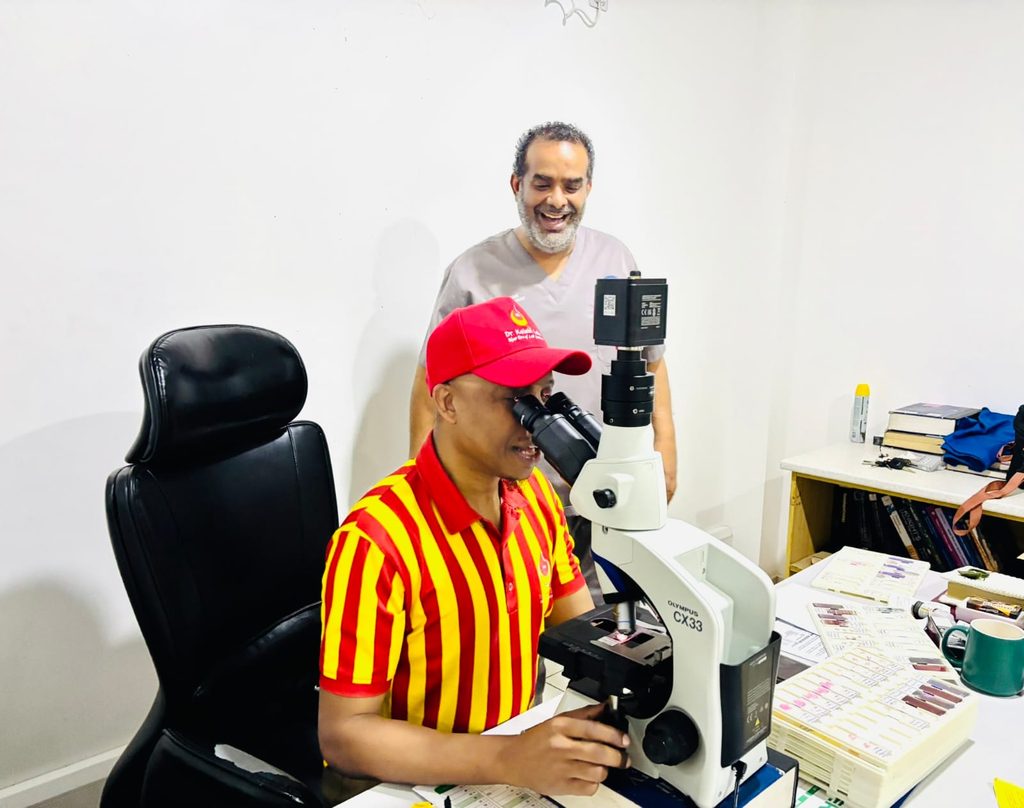
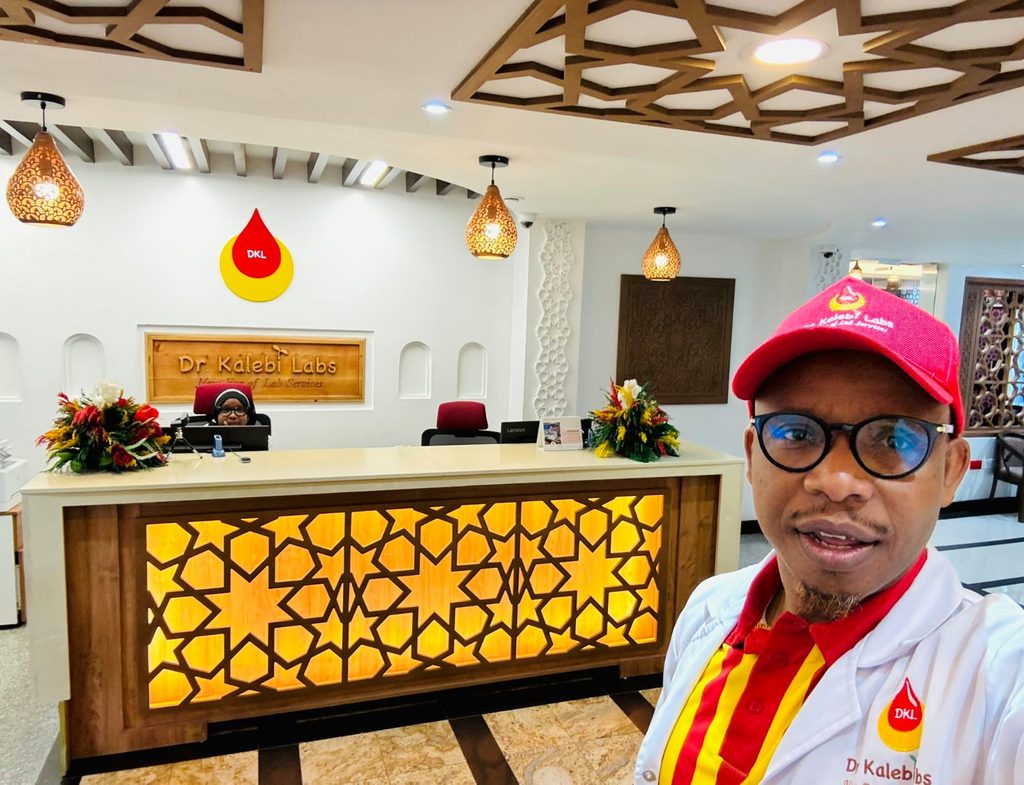
He is the founder, Executive Chairman, Chief Executive Officer and Principal Pathologist of Dr Kalebi Labs (DKL), a specialised referral diagnostic laboratory based in Nairobi.
Born and raised in Kibera, particularly the Kambi Muru area near the railway line, Kalebi comes from Kenya’s Nubian community, whose historical roots in the settlement span generations.
His connection to Kibera remains an important part of his identity despite his professional achievements and international recognition.
Reflecting on his attachment to the neighbourhood, Kalebi while talking to Daily News Kenya-International once described Kibera as his ancestral home, saying, “Kibera is my ancestral home, my shags.”
He said that his childhood was marked by financial difficulties.
Raised by a struggling single parent, he relied on scholarships and assistance from well wishers to pursue his education.
One of the people who helped him he said was Sheikh Mahmud, a respected religious figure in Kibra who assisted him in accessing primary education when his family could not afford school fees.
Kalebi’s determination to overcome these challenges enabled him to pursue medicine at the University of Nairobi, where he obtained his medical degree in 2001 before completing a Master of Medicine in Human Pathology in 2005.
His postgraduate training opened the door to a career that would eventually place him among internationally recognised specialists in diagnostic medicine.
In October 2005, he began working as a pathologist at Garissa Provincial General Hospital, where he encountered the challenges faced by patients in areas with limited diagnostic facilities.
His experience in Garissa helped shape his professional philosophy.
He was concerned that patients outside major urban centres could wait for extended periods for tests that could be performed more readily in better equipped facilities.
Recalling the disparity, he said: “I asked myself what it benefited us doctors to have all the accolades and facilities back in Nairobi, while people in places like Garissa waited for weeks just to get simple medical tests done.”
The experience strengthened his determination to improve access to diagnostic services, particularly for patients in underserved communities.
He helped establish laboratory services in Garissa before pursuing further specialist training in South Africa and at John Radcliffe Hospital in Oxford.
Kalebi subsequently became a founding partner of Pathologists Lancet Kenya, which began operations in 2009.
He later served as the company’s chief executive, contributing to the development and expansion of diagnostic laboratory services in Kenya.
Under his professional leadership, the laboratory network expanded its reach, including through specimen collection and distribution services designed to connect patients and healthcare facilities with diagnostic testing.
His work helped highlight the importance of pathology in modern healthcare, where accurate laboratory results guide disease detection, treatment decisions and patient management.
Kalebi also emerged as a prominent voice during the COVID-19 pandemic, advocating for increased access to testing and greater public recognition of laboratory professionals.
His work highlighted the critical role of diagnostic services in disease surveillance, outbreak management and public health planning.
In 2021, former President Uhuru Kenyatta awarded him the Order of the Grand Warrior (OGW) in recognition of his service to the country.
The national honour complemented his growing international reputation.
He has appeared on The Pathologist Power List in 2019, 2020, 2021, 2024, 2025 and 2026, reflecting his continuing contributions to pathology and laboratory medicine.
This month as we mark Mashujaa day today (October 20) Kalebi has achieved another significant milestone as he was inducted into the inaugural Hall of Fame of The Pathologist.
He was reported to be the only African and the only representative from a low or middle income country among the 15 founding inductees.
The recognition underscored his contribution to diagnostic innovation and his efforts to demonstrate that African medical professionals can establish and operate advanced healthcare institutions capable of delivering world class services.
His entrepreneurial journey, however, has not been without challenges. Having helped build a major diagnostic laboratory business, Kalebi later embarked on establishing his own specialist facility, Dr Kalebi Labs, which began operations in October 2024.
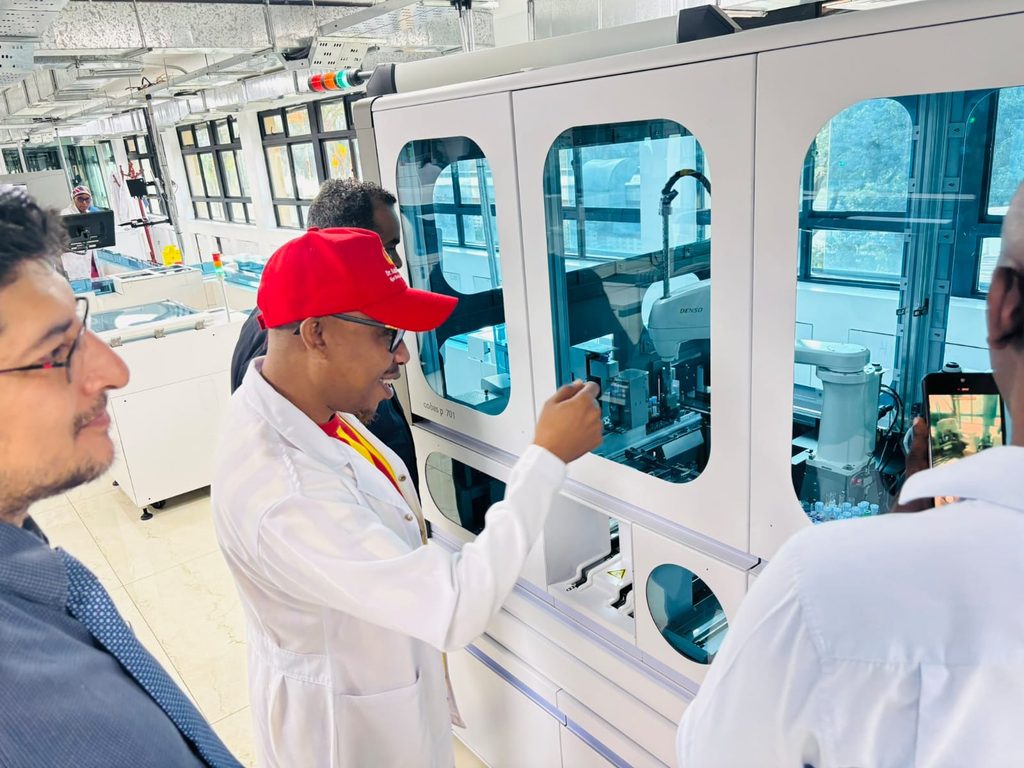
The laboratory was established to demonstrate that advanced diagnostic technologies and high quality medical laboratory services can be developed and delivered locally rather than relying excessively on facilities outside Africa.
DKL operates a digital first model integrating laboratory automation, digital pathology, molecular diagnostics, flow cytometry, next-generation sequencing and artificial intelligence-enabled systems.
The technologies support more efficient laboratory workflows, specialised disease detection and the interpretation of complex diagnostic results, with the broader objective of improving patient care.
Explaining his philosophy on innovation, Kalebi has argued that limited resources should not restrict African institutions from pursuing technological excellence.
“Resource constraints should not set the limit of technological ambition,” he has said.
He has also described his vision in terms of building advanced facilities on the continent rather than merely replicating older laboratory models at lower cost.
“My aim has never been to recreate yesterday’s laboratory at lower cost in Africa. It has been to show that we can build tomorrow’s laboratory here, now,” he has stated.
His vision extends beyond the commercial success of an individual laboratory. He has consistently advocated for greater investment in African diagnostic capacity, the development of local scientific expertise and the adoption of technologies that can improve the quality and speed of medical diagnosis.
Kalebi has also used his public profile to draw attention to the contribution of African scientists and medical professionals, arguing that the continent has the talent needed to participate more prominently in global medical innovation.
“Africa has exceptional talent in pathology, science and laboratory medicine,” he has said.
He has called for more opportunities for African expertise to receive international recognition while encouraging the development of strong diagnostic institutions and professional capacity at home.
Despite his demanding professional career, Kalebi has maintained links with his ancestral community in Kibera, where questions of land ownership, housing, identity and development remain important to the Nubian population.
In February 2023, he became chairman of the Task Force on the Operationalisation of the Redevelopment and Affordable Housing Project for the Kibra Nubian Community Land Trust, a position he held until November that year.
The task force was involved in exploring ways to redevelop community land and improve access to decent and affordable housing for the Nubian community.
Kalebi expressed optimism about the initiative, saying, “We are optimistic that the land redevelopment project will address the pressing need for decent housing for a growing Nubian community.”
His involvement reflected a continuing interest in the development challenges facing the community in which he grew up.
In discussing the historical connection between the Nubian community and Kibera, he has emphasised the importance of recognising the area’s place in his family’s history.
“I was born here. My grandparents were born here. My father was born here,” he has said in remarks about his family’s connection to Kibera.
He has also expressed the emotional attachment that many members of the community feel towards the settlement, stating, “But this is our home. And we love living here.”
These remarks capture an important dimension of his life: while his medical career has taken him into international professional circles, his identity remains closely linked to his Nubian heritage and the neighbourhood that shaped his early years.
His community involvement also includes grassroots youth development.
Kalebi serves as patron of Darajani Gogo FC, a football club founded in Kibra in 2014 and registered with Football Kenya Federation.
The club’s development through Kenya’s football league structure reflects the role of grassroots sport in creating opportunities for young people.
Its mantra, “Playing for Change,” emphasises football as a platform for youth development and social transformation.
Through his involvement, Kalebi has demonstrated an interest in initiatives that offer young people opportunities to develop their talents and participate in community life.
His professional and personal journey also illustrates the role that educational assistance, mentorship and community support can play in helping young people overcome economic barriers.
The assistance he received during his formative years helped him access opportunities that might otherwise have remained beyond his reach.
His subsequent achievements provide an example of how education and professional determination can transform an individual’s prospects.
His career continues to revolve around advancing diagnostic medicine, supporting the development of African scientific expertise and demonstrating that sophisticated medical technologies can be deployed successfully in Kenya.
From a childhood in Kibera to the establishment of a specialised diagnostic laboratory in Nairobi and recognition among leading international pathology professionals, his story reflects the intersection of personal resilience, scientific ambition and community engagement.
For Kalebi, pathology is not merely a medical speciality but a foundation of effective healthcare.
Accurate diagnosis according to him helps clinicians identify diseases, select appropriate treatments and make informed decisions that can determine patient outcomes.
His professional philosophy has therefore centred on improving access to reliable diagnostic services, promoting innovation and ensuring that patients in resource constrained settings are not left behind.
His induction into the Hall of Fame of The Pathologist in October 2026 represents a major milestone in that journey.
Yet his story remains closely connected to the community from which he emerged.
Ultimately, Dr Ahmed Kalebi’s legacy will be measured not only by professional honours and technological achievements, but also by the extent to which his work helps improve medical diagnosis, strengthens African scientific institutions and creates opportunities for communities such as the one that shaped his early life.
Want to be featured, or know a personality who deserves recognition?
📞 WhatsApp: +254 703 633820 / +254 754 168624
✉️ Email: dailynewskenya0@gmail.com
SUPPORT CITIZEN JOURNALISM
Help us keep independent, community-focused journalism alive.
Paybill: 222111
Account No.: 3179512
Your support helps us report, inform and amplify stories from communities that matter.
Thank you for supporting citizen journalism.
🗓️ [Daily News Kenya-International@October 20,2026]