DNK International
 By Our Correspondent,Gaborone
Botswana and the African continent is mourning the death of former Botswana President Festus Gontebanye Mogae, a respected economist, anti-HIV/AIDS champion and statesman.
Mogae who died yesterday is widely celebrated for steering Botswana through one of the darkest public health crises in modern African history while preserving democracy, economic stability and national unity.
His death at the age of 86, prompted an outpouring of tributes from leaders across Africa and the world who described him as one of the continent’s finest leaders.
He was born on August 21, 1939 in Serowe, then part of the British protectorate of Bechuanaland,Mogae rose from humble beginnings to become Botswana’s third President and one of Africa’s most admired reform minded leaders.
He belonged to the Kalanga community and remained deeply respected by his tribesmen and fellow citizens for his humility, discipline, honesty and calm leadership style that avoided political drama and personal extravagance.
Many Batswana viewed him as a fatherly figure who led with wisdom rather than intimidation.
Mogae pursued higher education in the United Kingdom where he studied economics at University of Sussex and later at University College Oxford, training as an economist at a time when very few Africans had access to such elite education opportunities.
His academic excellence prepared him for a distinguished career in public finance and economic management.
After Botswana gained independence in 1966, Mogae joined the civil service and quickly emerged as one of the country’s brightest economic minds.
He worked in the Ministry of Finance and Development Planning before serving in international financial institutions including the International Monetary Fund (IMF).
Mogae later became Governor of the Bank of Botswana, making history as one of the country’s earliest indigenous financial technocrats.
His expertise later earned him appointment as Minister for Finance and Development Planning where he helped shape Botswana’s reputation as one of Africa’s best managed economies.
His entry into politics came through the ruling Botswana Democratic Party, the party that had governed Botswana since independence.
Mogae became Vice President in 1991 under President Quett Masire while simultaneously serving as Finance Minister.
His quiet efficiency, clean reputation and deep understanding of economic policy made him the natural successor to Masire.
In 1998, he ascended to the presidency and later won re-election in 2004 before peacefully handing over power in 2008 to his deputy Ian Khama, an act widely praised as a symbol of Botswana’s democratic maturity.
During his decade in power, Mogae transformed Botswana into a respected model of economic discipline and democratic governance in Africa.
At a time when many African countries struggled with corruption, coups and economic collapse, Botswana maintained political stability, strong institutions and steady economic growth under his leadership.
He carefully managed the country’s diamond wealth, expanded infrastructure, strengthened public institutions and improved social services.
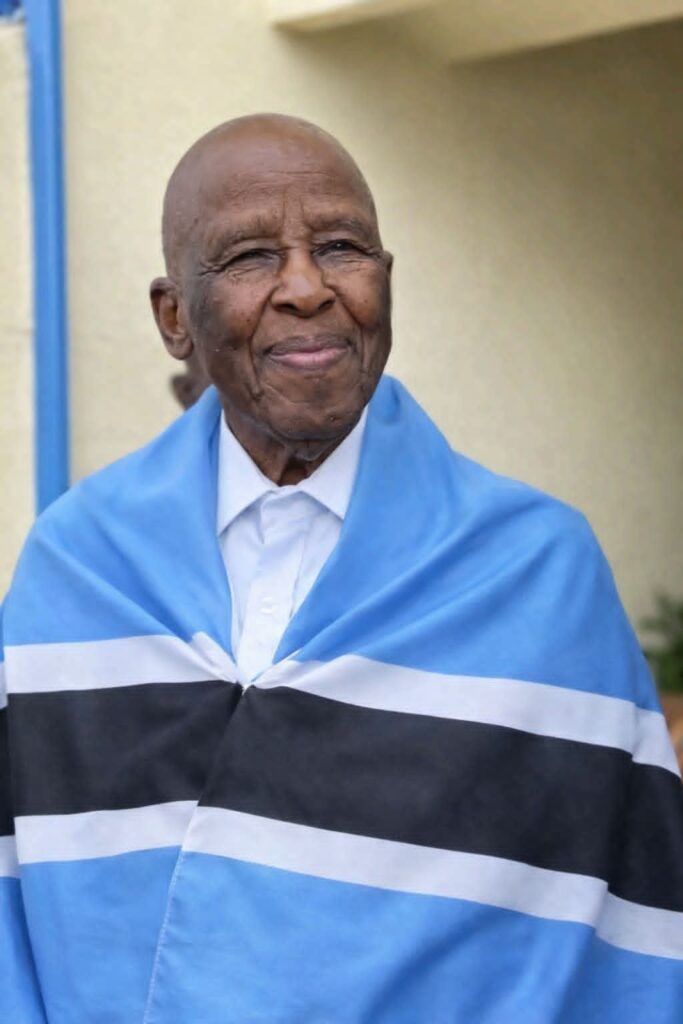
International observers according to records obtained by DNK-International often cited Botswana under Mogae as proof that Africa could achieve transparent governance and long-term development.
However, it was his courageous battle against HIV/AIDS that defined his presidency and immortalized his legacy.
When Mogae took office, Botswana had one of the world’s highest HIV infection rates, threatening to wipe out an entire generation.
Rather than deny the crisis, he confronted it openly and fearlessly.
He spoke candidly about the epidemic, mobilized government resources and partnered with international organizations to launch one of Africa’s most comprehensive HIV/AIDS response programmes.
In 2002, Botswana introduced free antiretroviral treatment in public hospitals under his leadership, a groundbreaking decision that saved hundreds of thousands of lives and dramatically reduced AIDS-related deaths.
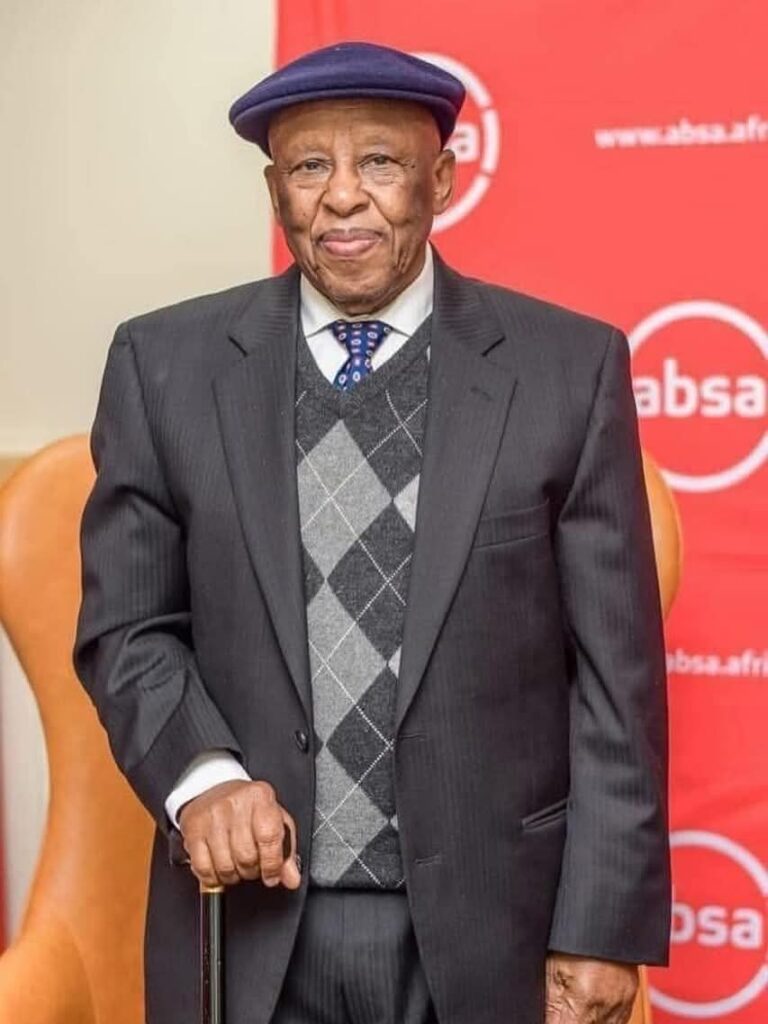
His HIV/AIDS crusade earned global admiration because he treated the epidemic not as a moral failure but as a national emergency requiring compassion, science and political courage.
Public health experts later credited his leadership with reversing declining life expectancy and restoring hope to Botswana’s future.
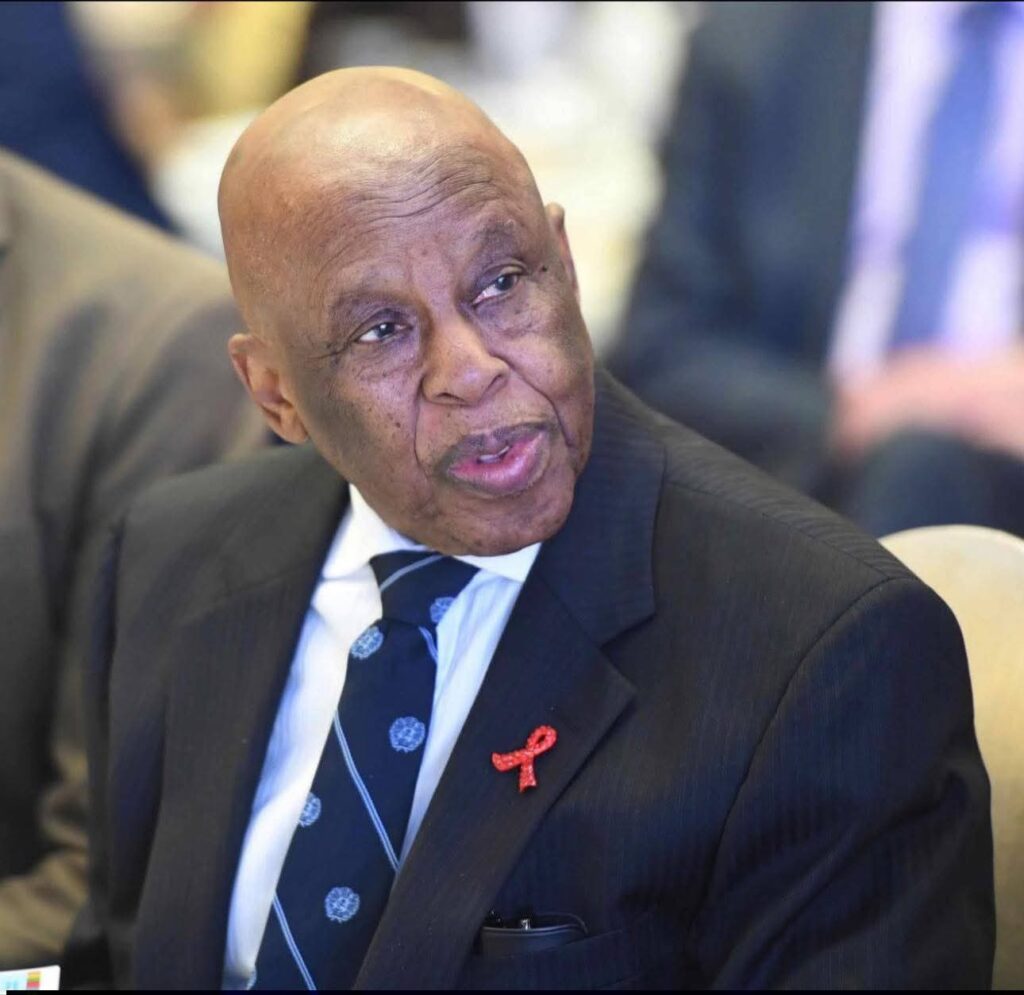
Even after leaving office, Mogae continued advocating for HIV prevention, treatment and awareness across Africa and globally.
Mogae was married to Barbara Mogae since 1967 and together they had three daughters.
The couple was admired for maintaining a private, scandal free family life despite decades in the public eye.
Across Botswana, citizens have mourned him as a patriot who placed national interest above personal ambition.
Botswana President Duma Boko declared days of national mourning and praised Mogae as a leader who carried Botswana’s name with dignity across the world.
African leaders, diplomats and international organizations have described him as an embodiment of principled leadership, integrity and democratic values.
Tributes have also highlighted his humility and willingness to peacefully leave office after completing the constitutionally permitted terms, a rare example in global politics.
Many Africans believe other leaders can learn important lessons from Mogae’s life: the value of honesty in leadership, peaceful transfer of power, investing national wealth wisely, respecting institutions, prioritizing healthcare and confronting national crises with truth rather than propaganda.
He demonstrated that a leader does not need to be loud, authoritarian or divisive to leave a historic impact.
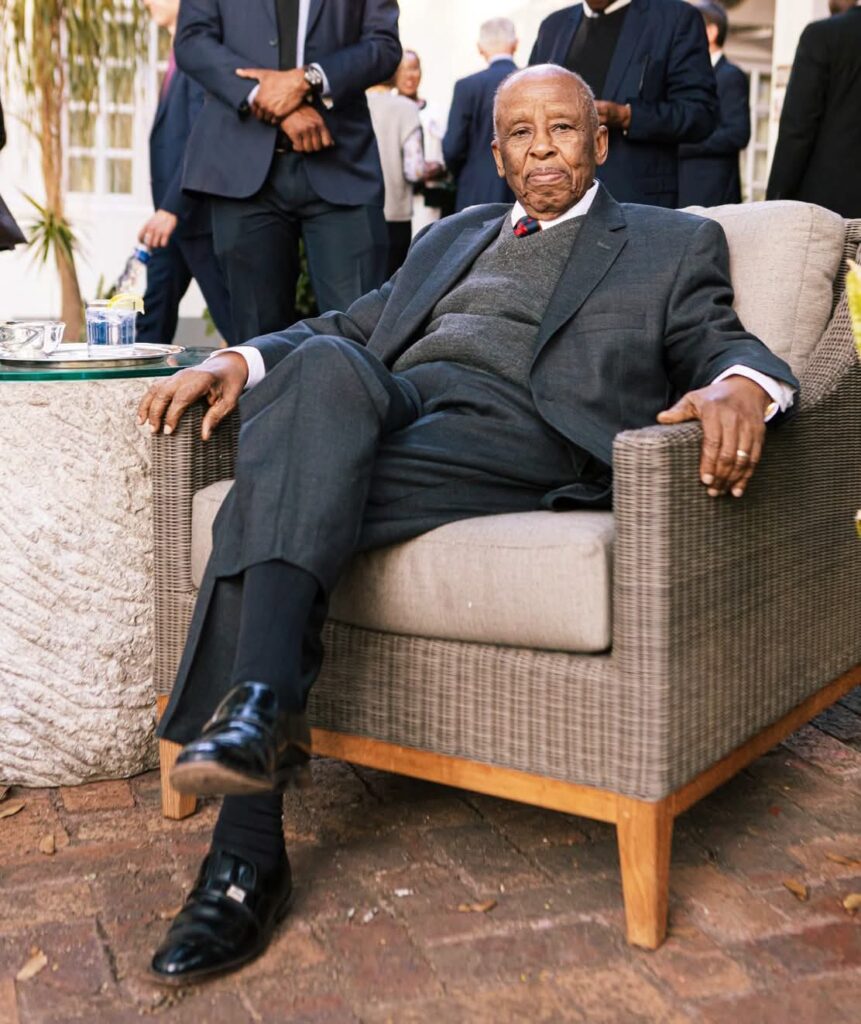
Some of his memorable quotes reflected his practical wisdom and concern for humanity.
He once warned Botswana that “we are threatened with extinction” during the height of the AIDS crisis, a statement that shocked the nation into action.
He also emphasized accountability in governance, often insisting that leaders must serve citizens rather than themselves.
In recognition of his leadership, Mogae received numerous international honors including the prestigious Mo Ibrahim Prize for Achievement in African Leadership, awarded to African presidents who demonstrate exceptional governance and willingly leave office democratically.
Former UN Secretary General the late Kofi Annan once praised him for ensuring Botswana’s continued stability and prosperity despite the HIV/AIDS pandemic.
Though critics occasionally challenged some of his policies, including issues surrounding indigenous San communities, history will largely remember Festus Mogae as a calm reformer, disciplined economist and compassionate African statesman who chose service over self-glorification.
In an era often marked by political excesses, he stood out as a leader whose greatest achievements were measured not in speeches, but in lives saved, institutions strengthened and a nation steadied for future generations.
As Botswana lowers its flags and Africa reflects on his legacy, Festus Mogae’s story remains a powerful reminder that true leadership is defined not by noise or power, but by integrity, vision and humanity.
Want to be featured? or have a personality want to know about him or her:
📞WhatsApp: ±2540703633820,±254754168624
✉️ Email: dailynewskenya0@gmail.com
🗓️ [DNK-International@May 9,2026]