DNK International
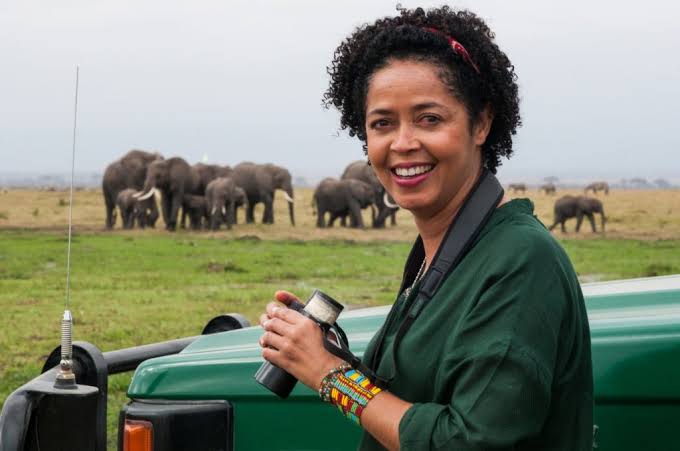
Wildlife conservationist and WildlifeDirect CEO Dr Paula Kahumbu has called on President William Ruto to take stronger action to protect Kenya’s forests, rivers, wildlife habitats and other ecosystems, warning that environmental destruction threatens both the country’s ecological and social wellbeing.
In an open letter to President Ruto dated September 20, 2026, Kahumbu linked environmental stewardship to faith and moral responsibility, urging the President to translate his public commitment to faith into stronger action to protect Kenya’s natural environment.
“You, perhaps more than any president before you, have spoken openly and frequently about your faith. But prayer cannot replace responsibility,” Kahumbu wrote.
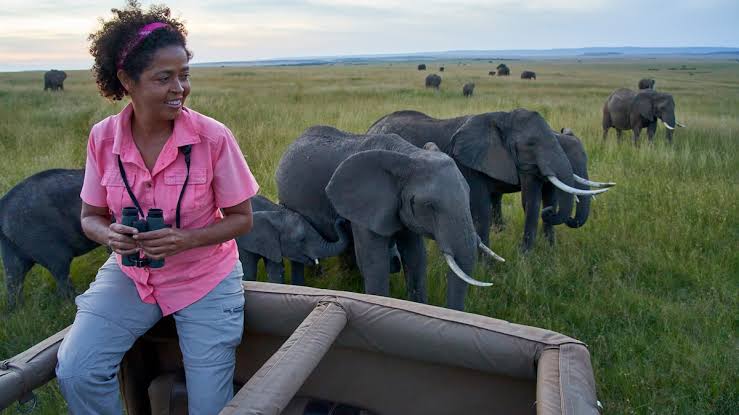
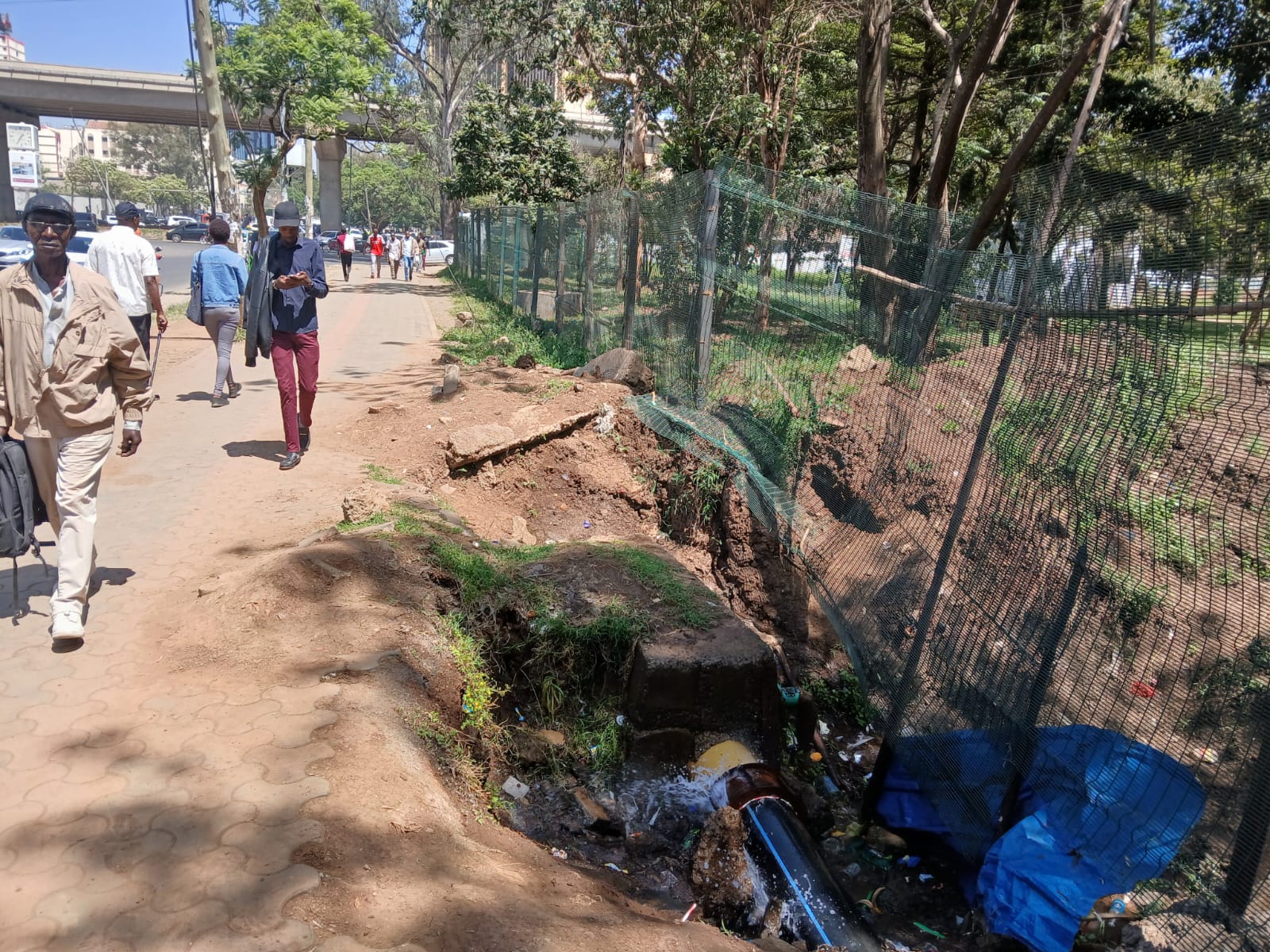
She raised concerns over the cutting down of forests, pollution of rivers, burning of mountains and degradation of coastal habitats. She also pointed to pressure on national parks and wildlife corridors from roads, buildings and other developments.
Kahumbu said Kenya was increasingly putting at risk the natural systems that sustain life, warning that ecological degradation could increase the country’s vulnerability to climate change while worsening poverty and social instability.
Her letter comes shortly after the International Theological Commission published Caring for Our Common Home: A Responsible and Fraternal Response to the Triune God on September 2, with the authorisation of Pope Leo XIV.
The document describes care for creation as a theological and moral responsibility and stresses the interconnectedness of human beings, nature and society. It calls for an “ecological turning point” that combines cultural and spiritual change with practical responsibility for the environment.
Kahumbu argued that the message has particular relevance to Kenya, where environmental degradation can have consequences beyond the natural world.
“When ecosystems are pushed to collapse, we become hyper vulnerable to climate changes and when people are pushed to destitution, social order also collapses,” she said.
She further argued that environmental destruction should not be viewed separately from issues such as illness, hunger, poverty, conflict and political instability.
Kahumbu also invoked Kenya’s constitutional framework, noting that the Constitution recognises the right of every person to a clean and healthy environment and places responsibilities on the State regarding environmental protection and the interests of future generations.
She criticised an approach in which environmental conservation is treated as secondary to development, arguing that Kenya cannot promote tourism while simultaneously allowing the degradation of wildlife habitats and ecological systems on which the sector depends.
The conservationist called on President Ruto to publicly embrace the central message of the International Theological Commission’s document and make care for creation a national moral responsibility.
Among her proposals is for the government to stop developments that threaten the integrity of nature, national parks and ecological systems. She also called for regenerative ecology and visits to national parks to become part of school programmes.
“Kenyа does not have to choose between people and nature. That is a false choice,” Kahumbu wrote, arguing that long-term economic prosperity depends on functioning ecosystems.
The International Theological Commission’s document similarly argues that environmental sustainability should guide economic and social systems and highlights the connection between the degradation of nature and the plight of vulnerable communities.
Kahumbu concluded her appeal by calling on the President to provide what she described as moral leadership on environmental protection.
“This is a moment for moral leadership. You must step up,” she said.