DNK International
By Our Correspondent, Nairobi.
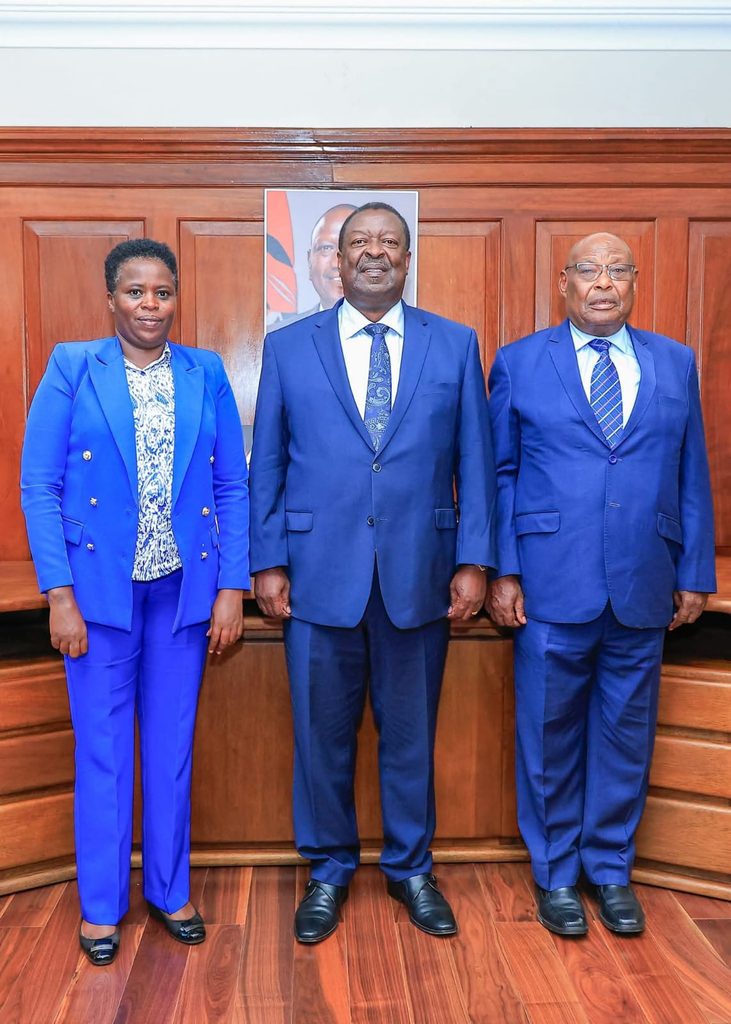
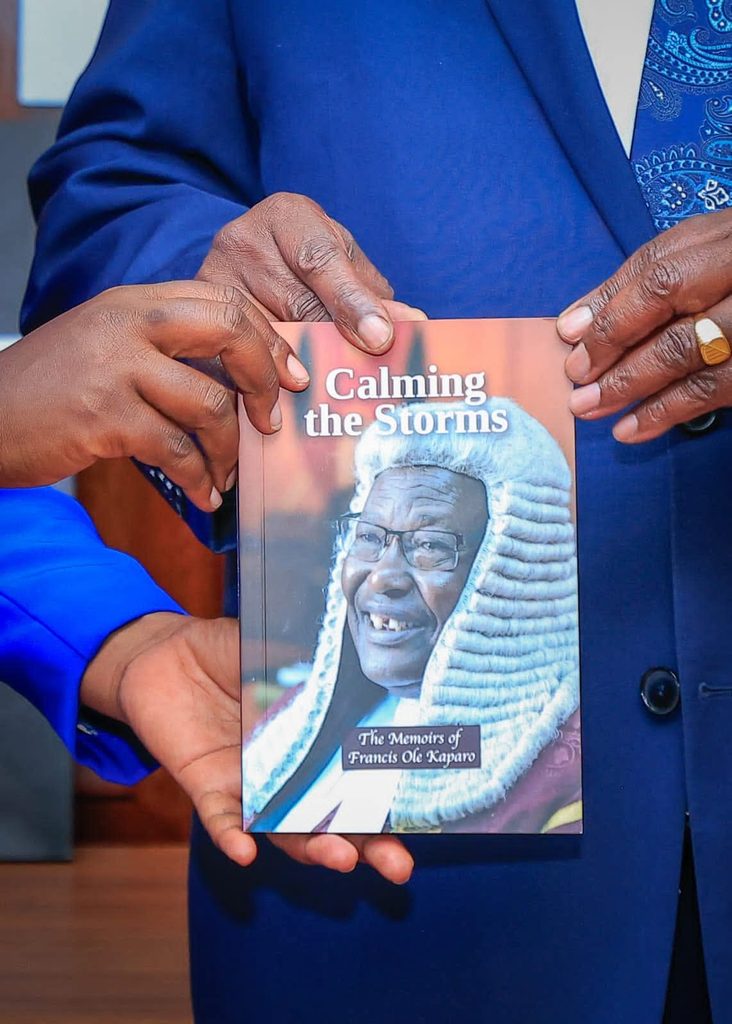
Former National Assembly Speaker Francis Xavier Kausai Ole Kaparo has renewed his call for peace, political tolerance and responsible leadership as Kenya approaches the 2027 General Election.
Kaparo is drawing on his decades of experience in Parliament, government and national reconciliation.
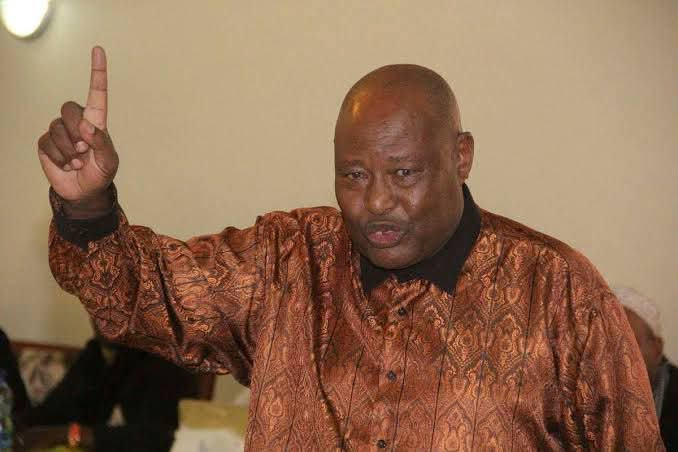
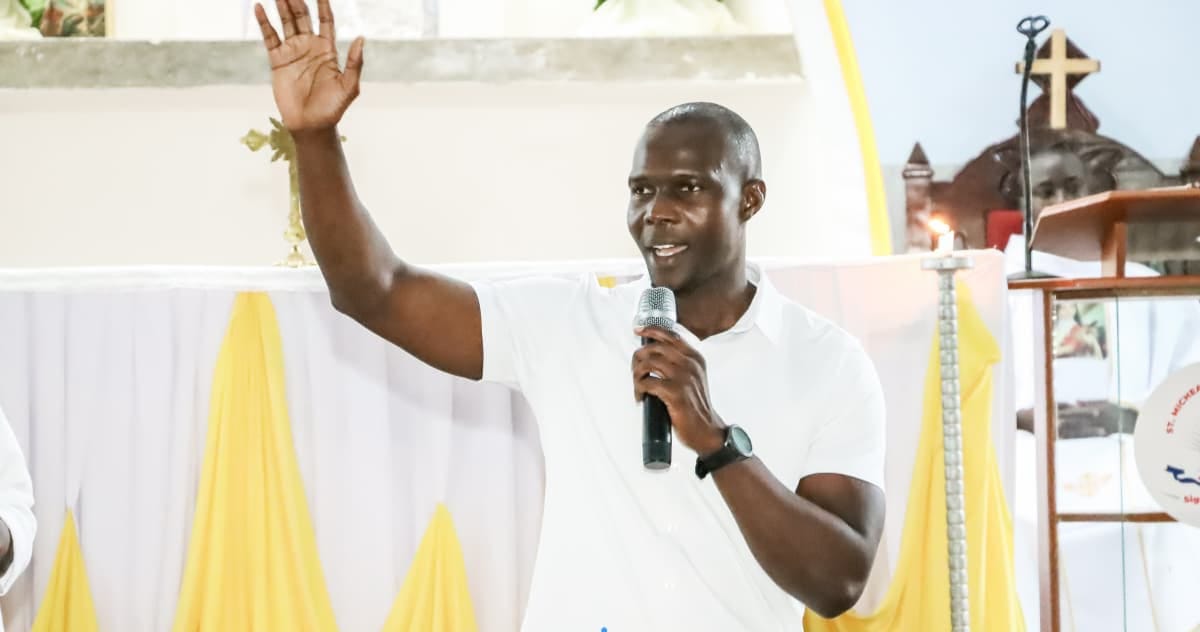
Speaking on Wednesday during a requiem Mass for former Cabinet Minister Burudi Nabwera at Friends Church in Lang’ata, Nairobi, Kaparo urged politicians to exercise restraint, respect one another and avoid actions that could divide Kenyans as political campaigns gather momentum.
His appeal reflects the message of peace and national unity that has characterised much of his public service, including his work in Parliament and later as chairman of the National Cohesion and Integration Commission (NCIC).
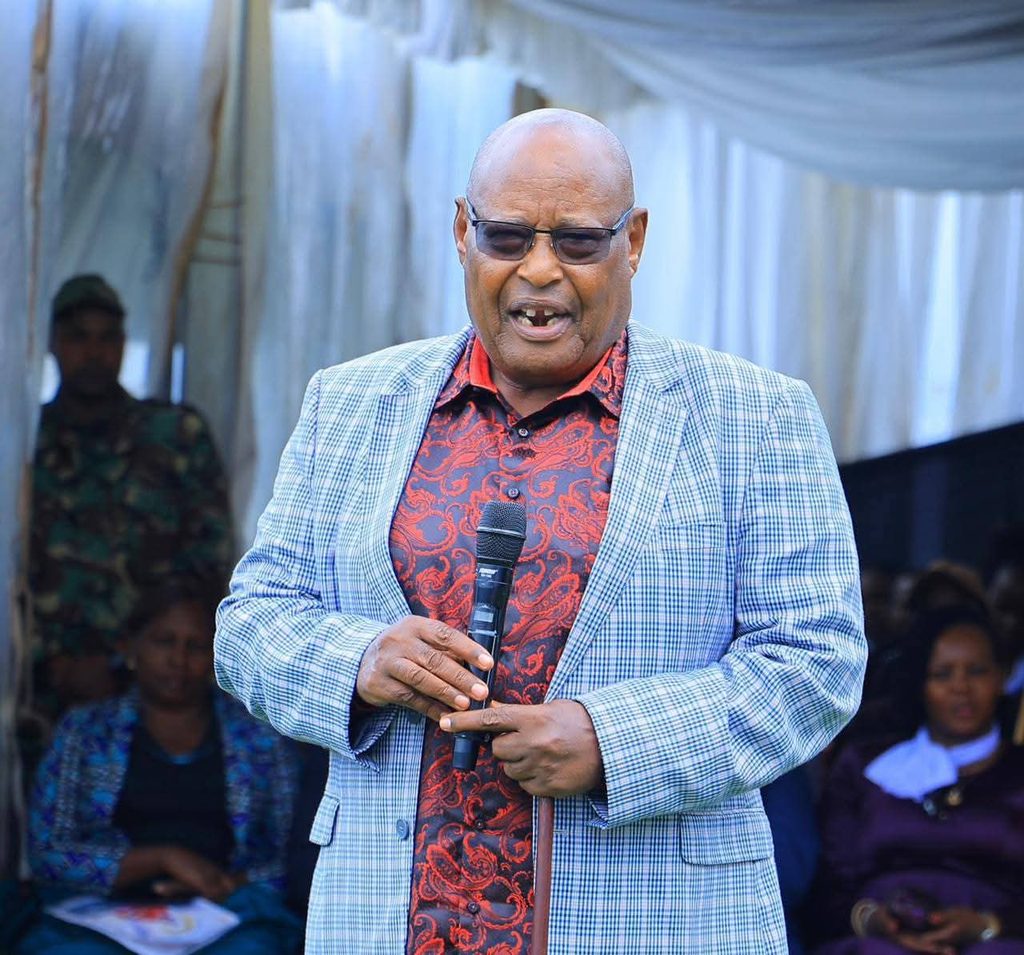
Born on September 1, 1950, Kaparo is one of Kenya’s most experienced political figures, having served as a Member of Parliament, Assistant Minister, Cabinet Minister and Speaker of the National Assembly.
At 76, he remains a respected voice in discussions on governance, democracy, reconciliation and national cohesion.
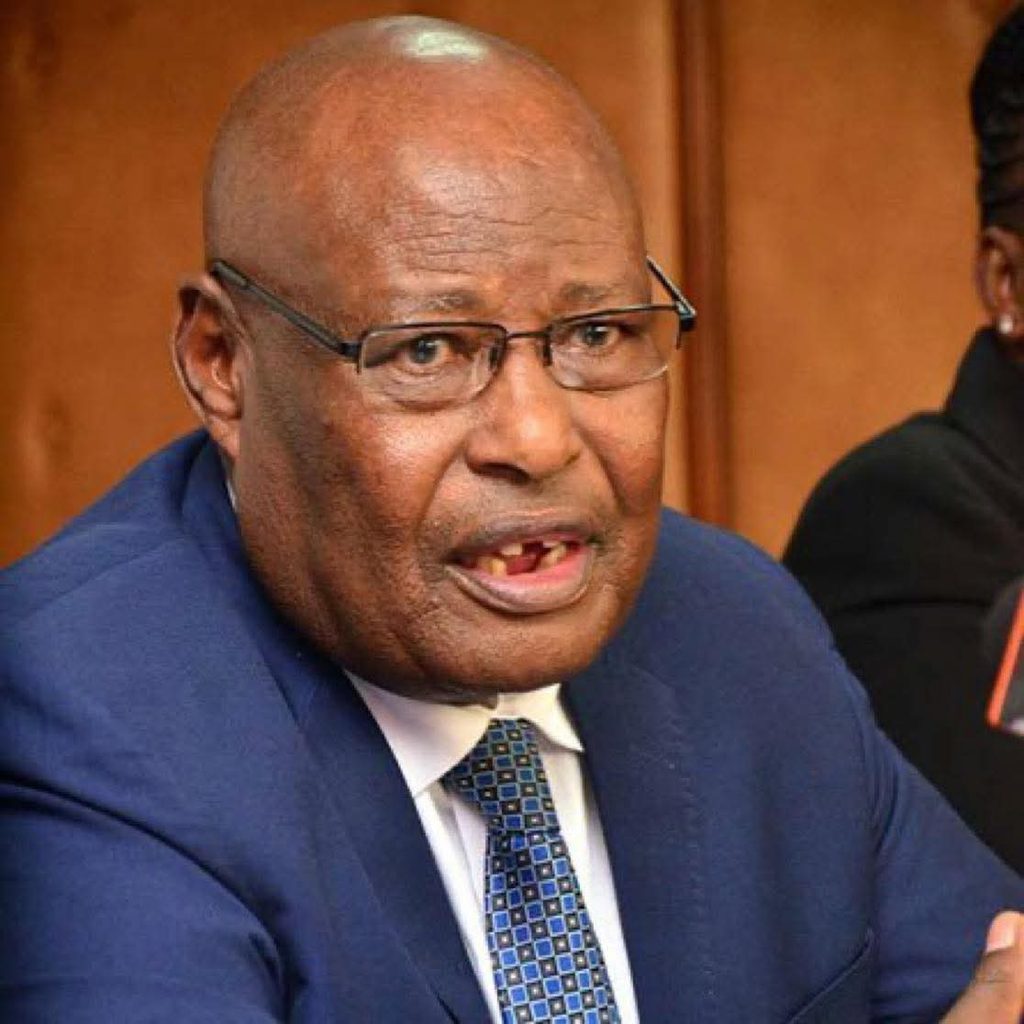
Kaparo made history when he became Speaker of the National Assembly on January 26, 1993, a position he held until January 15, 2008.
His 15 year tenure, spanning three Parliaments, made him Kenya’s second longest serving Speaker after the late Fred Mbiti Gideon Mati, who occupied the position for approximately 18 years.
He was succeeded by Kenneth Marende in January 2008.
Kaparo’s journey to the country’s highest parliamentary office was built on a legal education and professional experience that prepared him for the complexities of public administration, constitutional affairs and political leadership.
He studied law at the University of Nairobi, graduating with a Bachelor of Laws degree before undertaking post graduate legal training at the Kenya School of Law.
He was admitted to the Roll of Advocates as an Advocate of the High Court of Kenya in 1977.
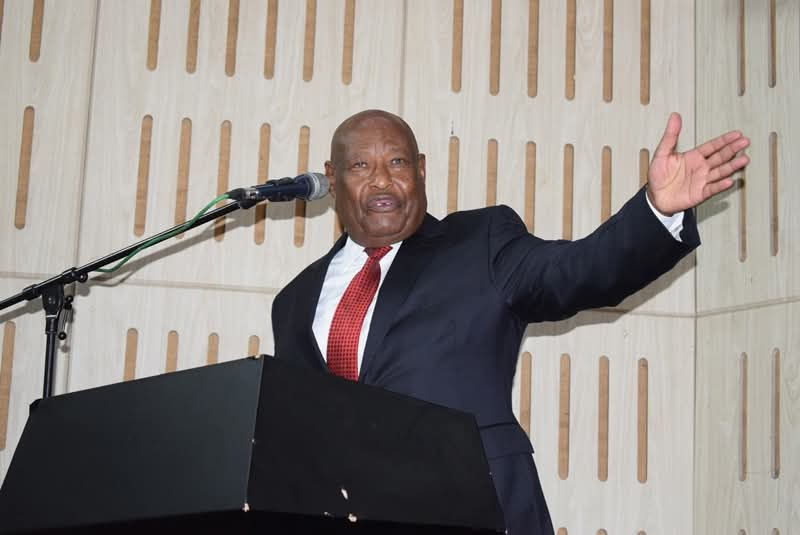
Before entering elective politics, Kaparo practised law privately between 1979 and 1988.
His legal background gave him a foundation in interpreting the law, understanding constitutional processes and handling matters requiring impartial judgement.
His entry into Parliament came in 1988 when he was elected Member of Parliament for Laikipia East Constituency on a KANU) ticket.
His election marked the beginning of a political career that would see him rise rapidly through the government ranks.
Between 1988 and 1989, Kaparo served as an Assistant Minister responsible for National Guidance and Political Affairs.
He served in the Ministry of Supplies and Marketing from 1989 to 1990 before moving to the Ministry of Labour between 1990 and 1991.
From 1991 to 1993, he served as Minister for Industry, gaining experience in economic and industrial policy before his elevation to the speakership.
His ministerial career exposed him to the workings of government and the challenges of balancing political interests with national development priorities.
Kaparo also served as a nominated Member of Parliament between 1992 and 1993 before assuming the speakership in January 1993.
His elevation to the Speaker’s office came at a critical period in Kenya’s political history, when the country was adjusting to multiparty politics following the return to political pluralism in the early 1990s.
As Speaker, he presided over parliamentary proceedings during a period of significant political contestation, institutional change and growing public demands for democratic accountability.
“The Speaker’s office requires the presiding officer to maintain order in the House, interpret parliamentary rules, protect the rights of members to participate in debates and ensure that legislative business proceeds according to established procedures,”he told Daily News Kenya-International
during a past interview.
Kaparo’s long tenure placed him at the centre of parliamentary affairs during the administrations of former Presidents Daniel arap Moi and Mwai Kibaki.
His leadership coincided with debates over democratic reforms, constitutional changes, government accountability and the evolving relationship between Parliament and the Executive.
One of the notable aspects of his speakership was his continued service through three consecutive Parliaments, an indication of the political support he commanded within the House over an extended period.
His experience also extended beyond Kenya’s borders through his participation in international parliamentary organisations.
Kaparo served in leadership positions within the Commonwealth Parliamentary Association, including as chairman of its Africa Region from 1995 to 1997.
He also served on the association’s international executive committee and participated in the leadership of the Speakers’ Conference.
Between 2004 and 2007, he served on the Executive Committee of the Inter-Parliamentary Union, an international organisation bringing together parliaments from around the world.
In 2006, he presided over the Inter-Parliamentary Union General Assembly.
These engagements exposed him to international parliamentary practices and discussions on democratic governance, legislative oversight and cooperation among national legislatures.
Following his departure from the speakership in 2008, Kaparo continued to participate in public affairs, particularly in environmental conservation, political organisation and peacebuilding.
He served as chairman of the National Environment Management Authority (NEMA), where his responsibilities included leadership within an institution mandated to coordinate environmental management and oversee compliance with environmental laws and regulations.
His interests also extended to wildlife conservation and community development.
He became associated with conservation organisations and initiatives in northern Kenya, including the Northern Rangelands Trust and Lewa Wildlife Conservancy.
His involvement in conservation reflected an understanding that environmental protection, wildlife management and community livelihoods are closely connected, particularly in pastoralist regions where communities depend heavily on natural resources.
Kaparo has also served as Chief Scout of the Kenya Scouts Association, a role associated with promoting discipline, leadership, service and responsible citizenship among young people.
His public service took another significant turn when he was appointed chairman of the National Cohesion and Integration Commission in 2014.
He led the commission until 2019, overseeing its work on promoting peaceful coexistence among Kenya’s diverse communities and addressing ethnic discrimination, hate speech and other threats to national cohesion.
The NCIC role was particularly significant given Kenya’s history of politically instigated ethnic tensions and the violence that followed the disputed 2007 presidential election.
As chairman, Kaparo brought to the commission his experience in parliamentary leadership, government administration and political negotiations.
Before his appointment, he had also been involved in mediation efforts in northern Kenya, including peace processes in Marsabit and Mandera counties alongside the late Senator Mohamed Yusuf Haji.
These assignments placed him among senior public figures called upon to help resolve disputes, encourage dialogue and restore peaceful relations between communities.
His career demonstrates that his contribution to public life has extended beyond elective politics into institution building, environmental stewardship and conflict resolution.
Kaparo has also been involved in political party leadership.
He chaired the United Republican Party (URP), which was led by President William Ruto before its merger with The National Alliance to form the Jubilee Party ahead of the 2013 General Election.
His political journey has reflected changing alliances and the shifting dynamics of Kenya’s multiparty system.
In December 2021, Kaparo publicly announced that he would vote for the late ODM leader and ex PrimeMinister Raila Odinga in the 2022 presidential election, saying he had not previously voted for the former Prime Minister in earlier elections.
The declaration attracted attention because of his earlier political association with Ruto and demonstrated his willingness to make an independent political choice despite his previous alliances.
Beyond his political affiliations, Kaparo’s long career has been defined by his participation in institutions that shape Kenya’s democratic and public life.
Among the major milestones of his career are his election as Laikipia East MP in 1988, his appointment to ministerial positions, his 15 year tenure as Speaker, his leadership in international parliamentary organisations and his subsequent service in environmental management and national reconciliation.
His tenure as Speaker also provides an important reference point in the history of Kenya’s legislature, particularly in discussions about parliamentary procedure, the independence of the House and the role of presiding officers in managing political disagreements.
Although he left elective politics years ago, Kaparo has continued to speak on national issues, especially where political competition threatens peaceful coexistence.
His latest appeal at the requiem Mass for Nabwera comes as politicians and political parties begin positioning themselves for the 2027 elections, a period likely to be characterised by intense campaigns, political realignments and competition for elective positions.
His message carries particular significance because of his experience serving under different political circumstances and working with leaders from diverse political backgrounds.
Kaparo’s career has earned him national recognition, including the Elder of the Golden Heart (EGH), one of Kenya’s senior state honours.
His public remarks over the years have frequently centred on democracy, political choice, leadership and national unity.
His 2021 declaration in support of Raila Odinga, for instance, underscored his position that political decisions should be made in the national interest rather than solely on the basis of longstanding party loyalties.
At the same time, his latest call for peace and tolerance reinforces a message that remains central to Kenya’s electoral politics: competition for leadership should not come at the expense of national stability.
As the country moves towards the 2027 General Election, Kaparo’s appeal is a reminder that political leaders have a responsibility to conduct campaigns peacefully, respect divergent opinions and safeguard the unity of the nation.
For a man who spent 15 years presiding over the National Assembly and later led the country’s principal cohesion and integration commission, the call for tolerance reflects a career shaped by the challenges of managing political differences within a diverse society.
His legacy therefore extends beyond the length of his speakership to include his contributions to parliamentary leadership, public administration, conservation and the pursuit of peaceful coexistence.
Want to be featured, or know a personality who deserves recognition?
📞 WhatsApp: +254 703 633820 / +254 754 168624
✉️ Email: dailynewskenya0@gmail.com
SUPPORT CITIZEN JOURNALISM
Help us keep independent, community-focused journalism alive.
Paybill: 222111
Account No.: 3179512
Your support helps us report, inform and amplify stories from communities that matter.
Thank you for supporting citizen journalism.
🗓️ [Daily News Kenya-International@October 22,2026]