DNK International
By Our Political Correspondent,Bungoma
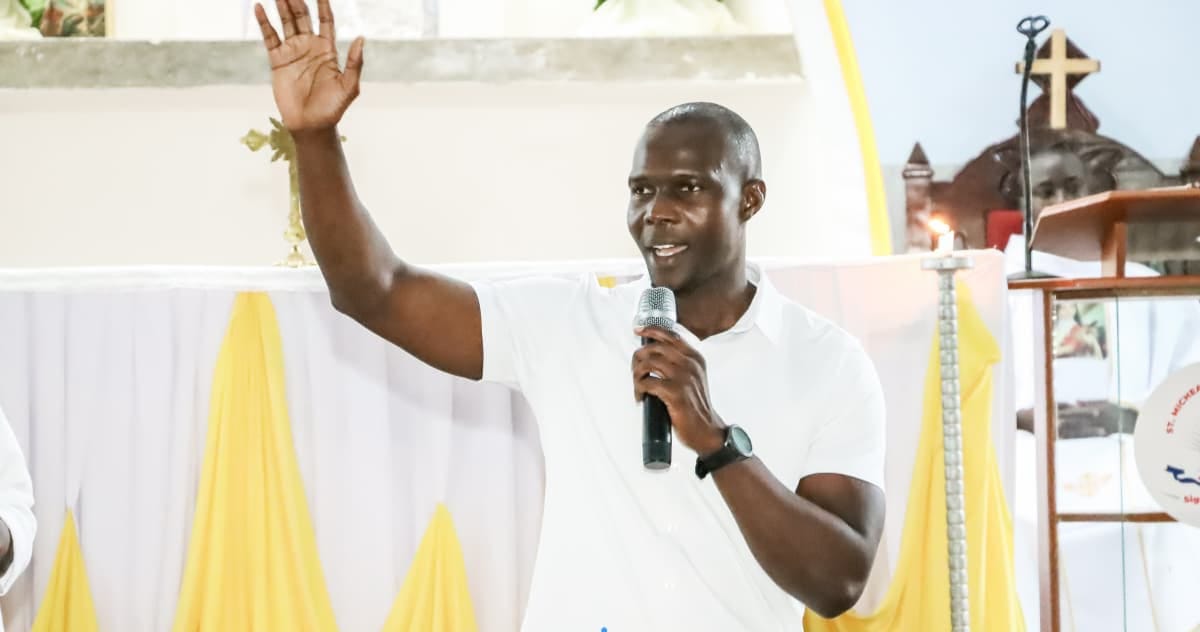
Kabuchai MP Joseph Majimbo Kalasinga is increasingly emerging as one of the most vocal political figures in Western Kenya.
He’s positioning himself at the centre of the Linda Mwananchi movement and becoming a staunch defender of Nairobi Senator Edwin Sifuna’s presidential ambitions ahead of the 2027 General Election.
Together with Bumula MP Jack Wanami Wamboka and other allies, Kalasinga has been championing Sifuna’s bid to become a national opposition figure, arguing that Kenya needs a leadership alternative that prioritises ordinary citizens, economic justice and accountability.
But as the political temperature rises, questions are also being raised about whether Kalasinga’s association with Sifuna is driven by ideological conviction, regional political calculations or the need to strengthen his own re-election prospects.
Kalasinga was born in 1972 in Sikusi village, Bungoma Central.
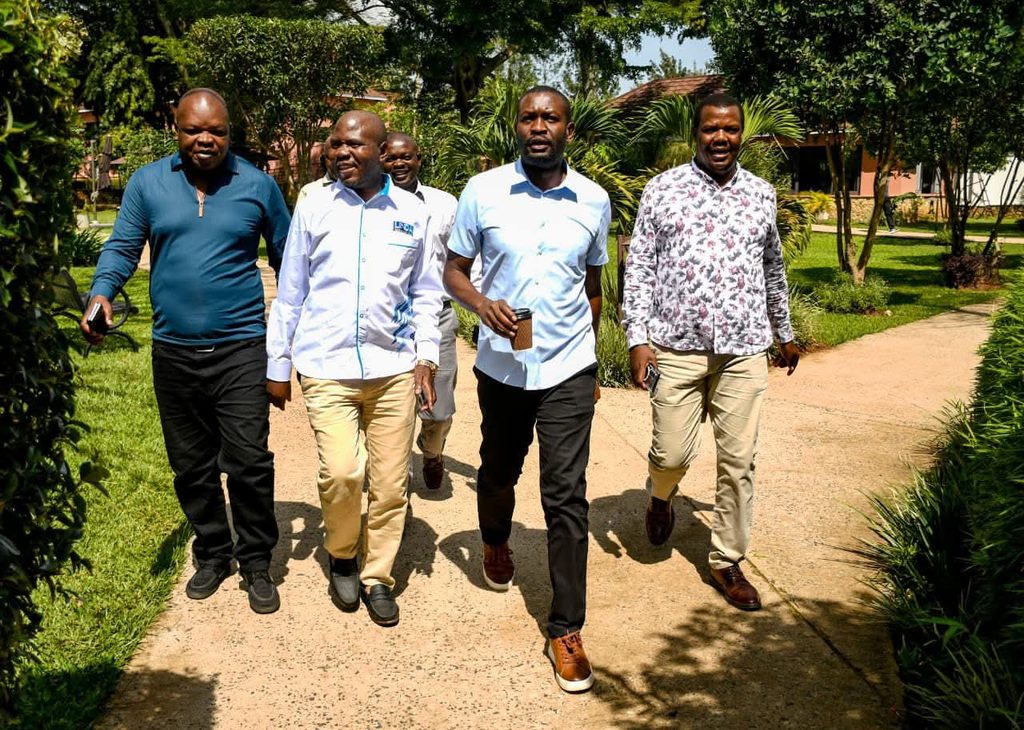
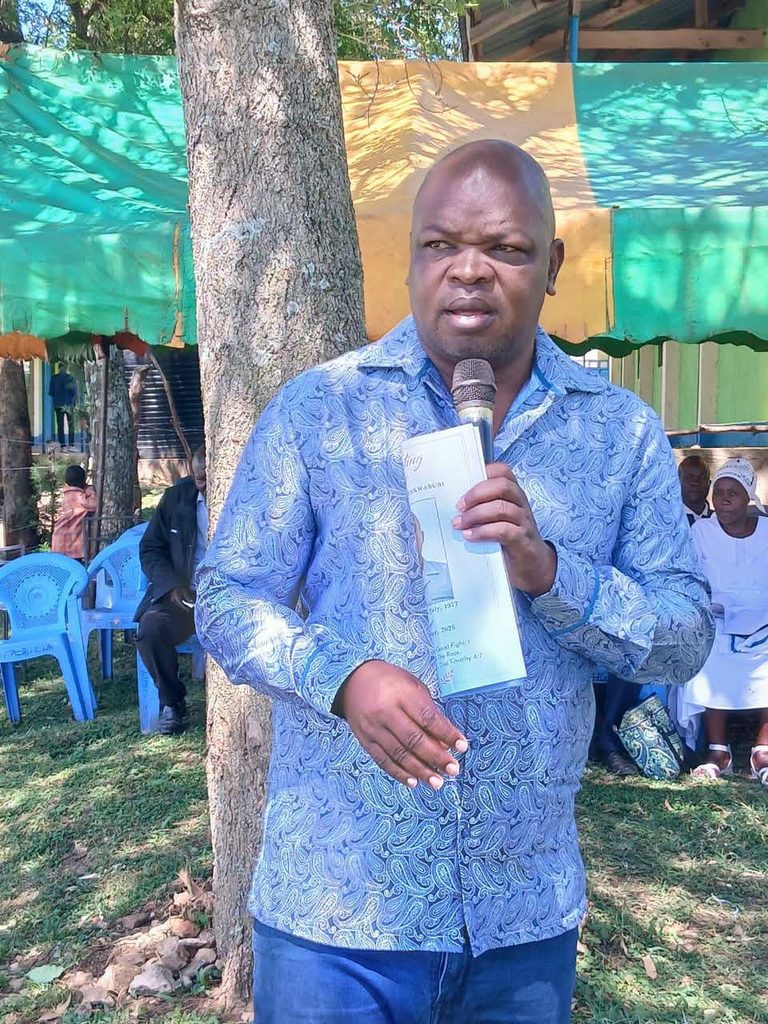
His political journey according to a section of his supporters who talked to Daily News Kenya-International during a burial service of Grace Nelima,daughter of of Mihuu ward MCA Violet Namaemba Makhanu of and attended by among others Sifuna said that it reflects on persistence, grassroots mobilisation and a willingness to challenge established political figures, including leaders within his own party.
Kalasinga attended Sikusi Primary School between 1979 and 1988 before proceeding to Sikusi Secondary School, where he studied from 1989 to 1993 and sat for his KCSE examination.
He joined Egerton University, where he pursued a Diploma in Dairy and Food Technology.
His technical training provided a foundation for his employment in the dairy and sugar processing sectors, industries that remain economically significant to many households in Western Kenya.
Before joining elective politics, Kalasinga reportedly worked in the dairy industry, including engagements associated with Scind Dairy, Brookside Dairy and Kitinda Dairy Cooperative.
He later joined Nzoia Sugar Company, where he served as a process supervisor from 2005 to 2012.
His experience in the agricultural processing industry would later become an important part of his political identity, particularly as he began speaking out about the challenges facing sugarcane farmers, factory workers and local economies dependent on agricultural production.
Kalasinga’s entry into politics was not an overnight success.
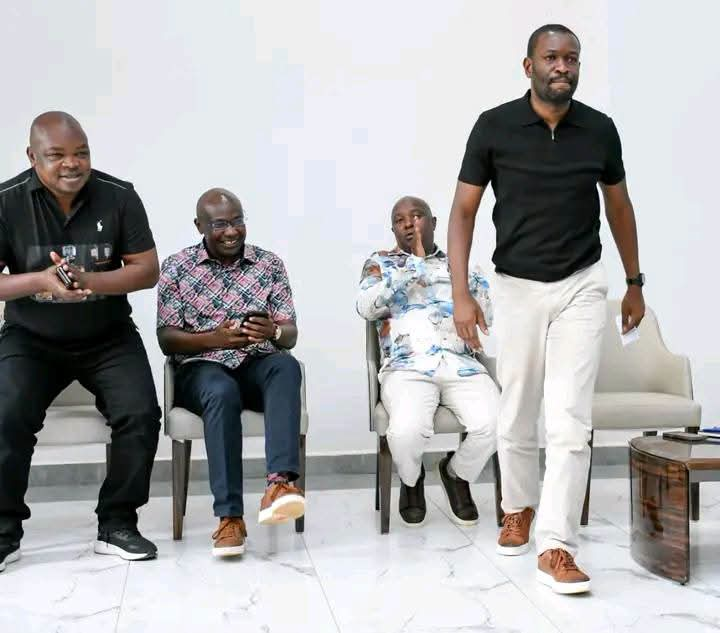
According to him,his political interest developed around 2002, when he became involved in youth political mobilisation associated with the late Vice-President Michael Wamalwa Kijana and the National Rainbow Coalition (NARC) political movement.
His command of the Bukusu language (One of the 18 Luyia subtribes) and his political networking helped him establish connections within the region’s political establishment.
He first contested the Kabuchai parliamentary seat in 2013 but failed to win.
He tried again in 2017, suffering another defeat before finally securing the seat in the March 2021 by-election following the death of the sitting MP, James Mukwe Lusweti.
Running on a Ford Kenya ticket, Kalasinga defeated his opponents and entered the National Assembly, turning years of political persistence into a breakthrough.
He subsequently retained the seat in the August 2022 General Election, establishing himself as Kabuchai’s elected representative in the 13th Parliament.
His initial parliamentary responsibilities included serving on the Departmental Committee on Agriculture and Livestock, an assignment that aligned him with his professional background and his interest in agriculture.
Since entering Parliament, Kalasinga has sought to build a political profile around constituency development, agricultural interests, public accountability and opposition to decisions he considers harmful to local communities.
He has been particularly outspoken about the future of Nzoia Sugar Company and proposals involving its leasing to private investors.
For Kalasinga, the sugar factory is not merely a commercial enterprise but a critical economic institution whose performance affects farmers, workers, transporters and businesses throughout Bungoma and neighbouring counties.
His opposition to aspects of the proposed leasing arrangement has also contributed to tensions with Ford Kenya party leader and National Assembly Speaker Moses Wetang’ula.
Kalasinga has criticised what he regards as inadequate consultation with ordinary citizens and has questioned the party leadership’s approach to regional economic interests.
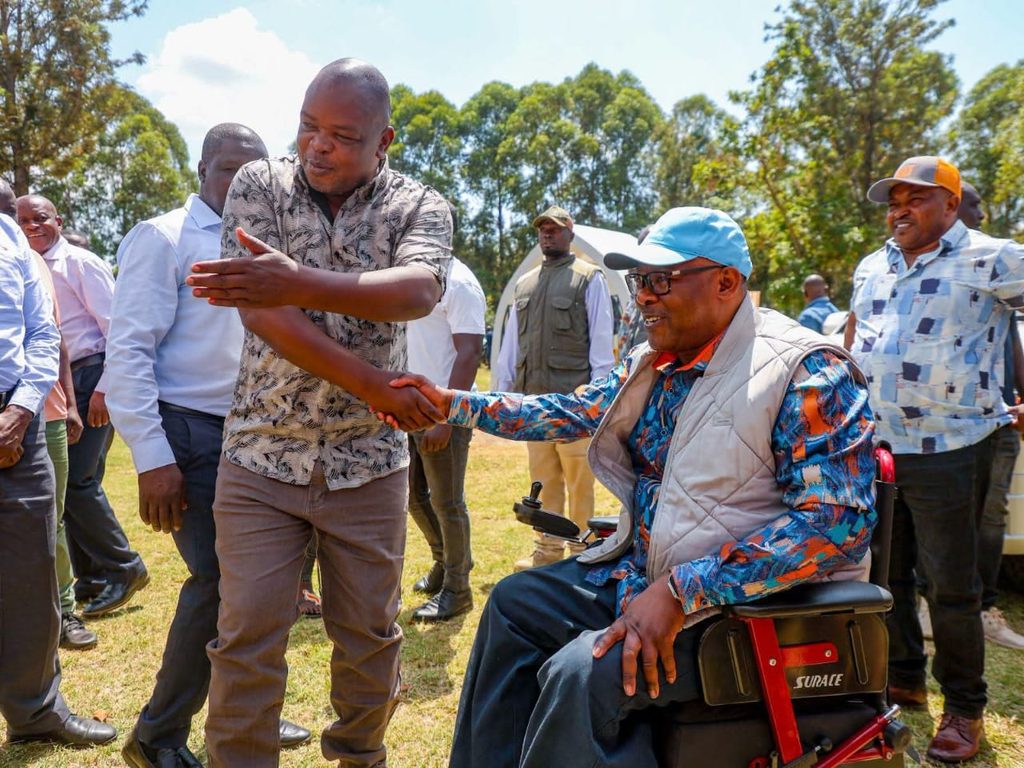
In a particularly combative political intervention, the Kabuchai MP declared his intention to challenge Wetang’ula for the Ford Kenya leadership, accusing the party establishment of failing to listen sufficiently to grassroots concerns.
His position signalled that he was prepared to move beyond the traditional expectation that junior party members should automatically defer to senior political figures.
His critics, however, may interpret such confrontations as part of a broader strategy to establish an independent political identity ahead of the next election cycle.
Kalasinga’s parliamentary record has also received favourable attention.
In July 2026,an Infotrak elected leaders performance survey covering January to May this year placed him second nationally, with a reported approval rating of 78 per cent.
The survey considered factors including accessibility, responsiveness, accountability, visibility and fulfilment of campaign promises.
While such rating is not a guarantee of re-election,according to his supporters it provides a counterpoint to the suggestion that Kalasinga is relying entirely on another politician’s popularity to remain relevant.
The survey’s findings, as reported, suggest that he has established a measure of public recognition extending beyond his role in the Linda Mwananchi movement.
His influence is now increasingly visible in the wider political conversation in Bungoma and Western Kenya, where questions about the region’s economic future, representation in national leadership and the emergence of a new generation of political leaders are gaining prominence.
Kalasinga’s alliance with Sifuna has given him a more prominent role in these debates.
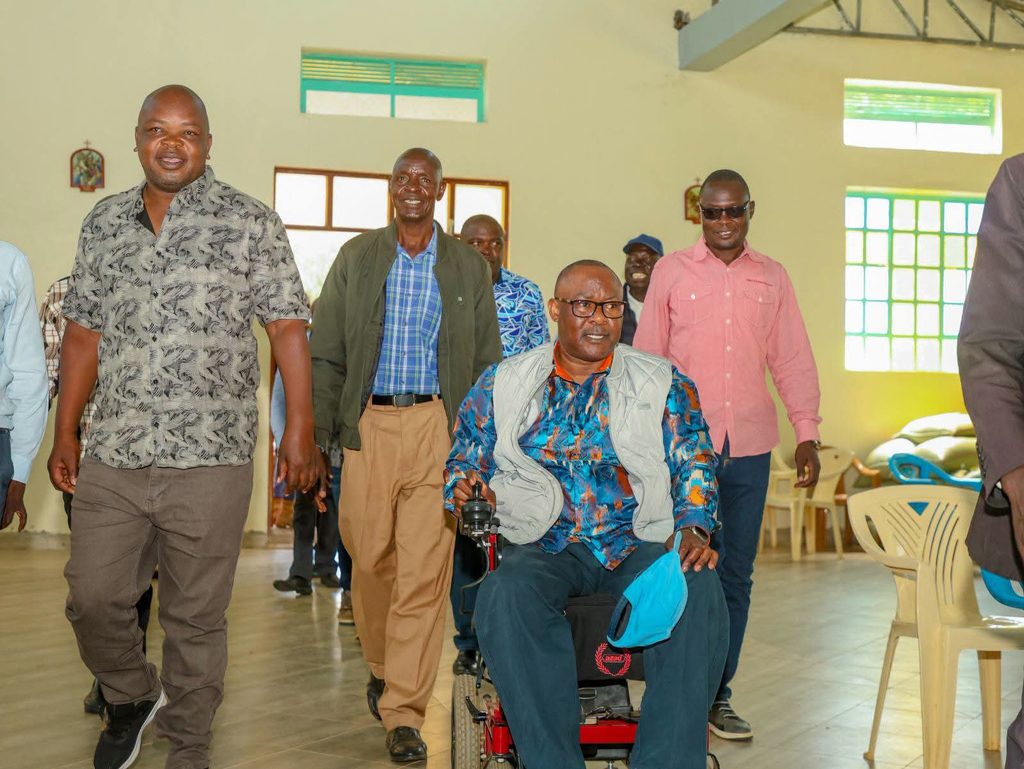
Alongside Wamboka, he has helped popularise the argument that the opposition should rally behind a candidate capable of challenging President William Ruto in 2027.
During a Western Kenya mobilisation tour in August, Kalasinga declared: “Edwin Sifuna is going for president, nothing else.” The remark was a direct rejection of suggestions that the movement should remain undecided about its preferred presidential candidate.
The statement captured the firmness of his position and the extent to which he has attached his political fortunes to Sifuna’s emerging national campaign.
Kalasinga has also defended the movement’s right to campaign in different parts of the country, arguing that political participation should be exercised peacefully and equally.
In his public interventions, he has portrayed Linda Mwananchi as a platform for ordinary Kenyans rather than an initiative reserved for wealthy political patrons.
In August, he further disclosed that the movement had registered a political party but was facing a dispute over the proposed use of the Linda Mwananchi name.
He said the group intended to unveil its political vehicle once the naming issue was resolved.
Such developments his die hard supporters indicate that Kalasinga’s involvement is not limited to attending rallies or defending Sifuna in public.
He is also participating in discussions about the movement’s organisational future and its transformation into a potential electoral force.
His political alignment with Sifuna may be explained by several overlapping factors.
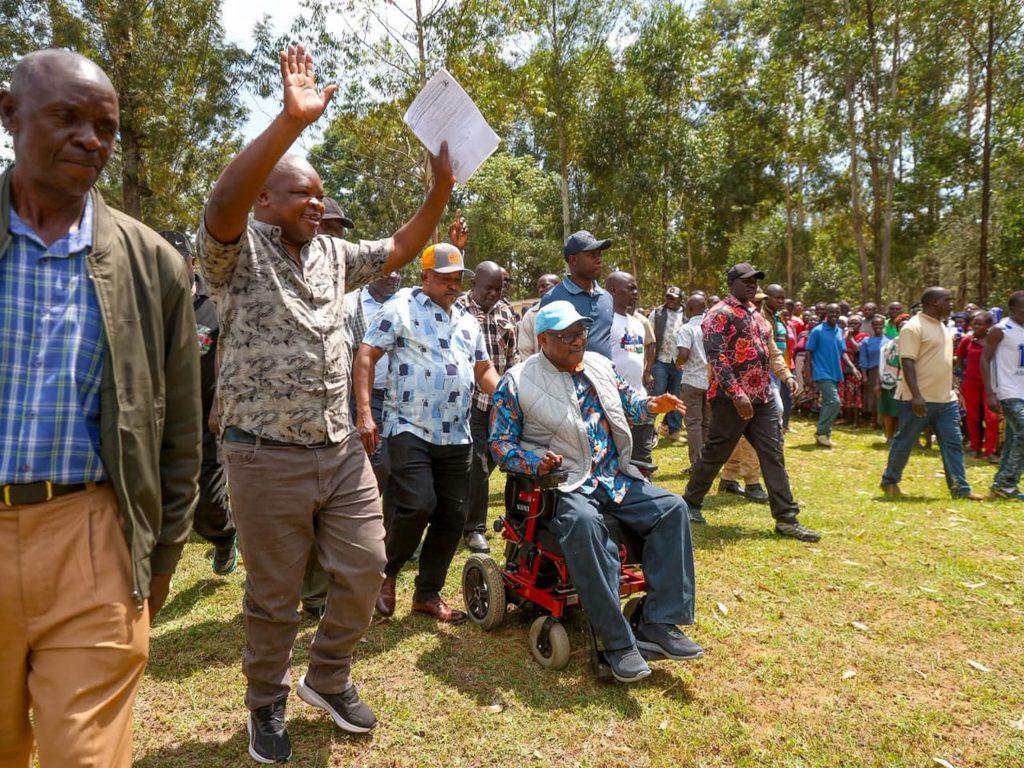
First, both politicians have presented themselves as advocates of accountability and a more responsive political establishment.
Second, the Linda Mwananchi platform now a political party offers Kalasinga an opportunity to extend his influence beyond Kabuchai and participate in national opposition politics.
Third, a successful presidential campaign could provide his political allies with a stronger platform from which to negotiate regional priorities, including agricultural reform, industrial revival and infrastructure development.
These are possible political calculations rather than established evidence of Kalasinga’s private motivations.
His continued support for Sifuna may also reflect a genuine belief that the senator offers the most suitable leadership alternative for the movement.
Nevertheless, the alliance carries risks. Sifuna’s national popularity, should it translate into a viable presidential campaign, could benefit the MPs associated with him.
Conversely, if the movement struggles to build a nationwide coalition, its most visible defenders could find themselves politically exposed.
Kalasinga must therefore balance his national ambitions with the immediate responsibility of maintaining the confidence of Kabuchai voters.
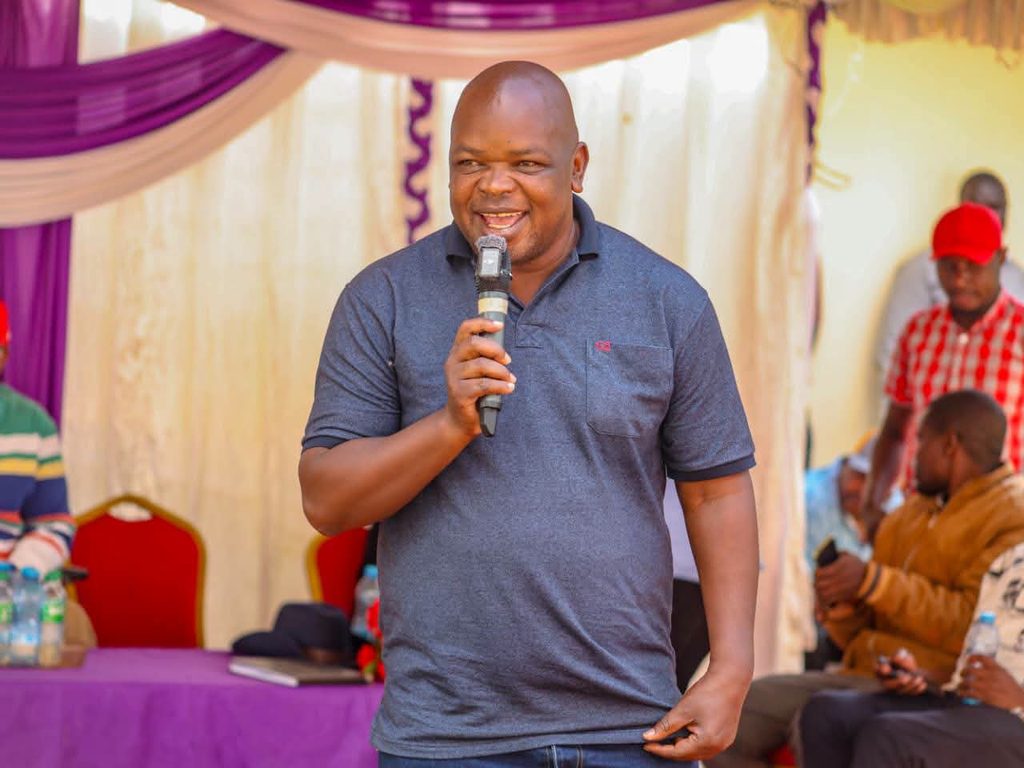
For Kalasinga, the ultimate test will be whether his national political activism complements rather than overshadows his constituency responsibilities.
His reported performance rating offers one positive indicator, but voters will ultimately make their own assessment of his record.
His political relationship with Sifuna also reflects a wider generational contest within Western Kenya.
For years, the region’s political discourse has been shaped by established figures with national influence.
The emergence of outspoken younger leaders challenging party hierarchies and advocating alternative presidential strategies suggests that the region’s political future is being actively renegotiated.
Kalasinga’s confrontation with Wetang’ula over Ford Kenya leadership, his advocacy on the sugar industry and his commitment to Linda Mwananchi have placed him among the personalities seeking to shape that transition.
His story is therefore no longer simply that of a former sugar-factory supervisor who eventually won a parliamentary seat after two failed attempts.
It is increasingly the story of a constituency politician seeking a larger role in the national debate over succession, economic accountability and opposition leadership.
Whether his bet on Sifuna will strengthen his standing in Kabuchai or expose him to the consequences of an uncertain presidential campaign remains an open question.
What is clear is that Kalasinga has chosen to place himself firmly on one side of the emerging political contest, with 2027 likely to determine the durability of that decision.
Want to be featured? or have a personality want to know about him or her:
📞WhatsApp: ±2540703633820,±254754168624
✉️ Email: dailynewskenya0@gmail.com
SUPPORT CITIZEN JOURNALISM
Help us keep independent, community-focused journalism alive.
Paybill: 222111
Account No. 3179512
Your support helps us report, inform and amplify stories from communities that matter.
Thank you for supporting citizen journalism.
🗓️ [DNK-International@October 19, 2026]