DNK International
 By Xavier Lugaga,Nairobi
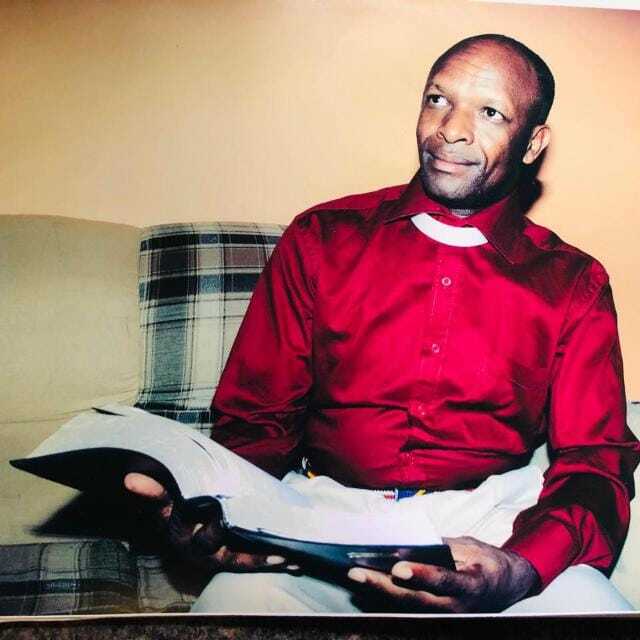
The story of Jacob Juma is one that still unsettles Kenya’s conscience,a journey that began in rural obscurity and ended in a hail of bullets, leaving behind questions that remain unanswered nearly a decade later.
Juma was born in 1971 in Mungore Village, Bungoma County and grew up in a modest household shaped by discipline, communal values, and an unwavering belief in education as a path to transformation.
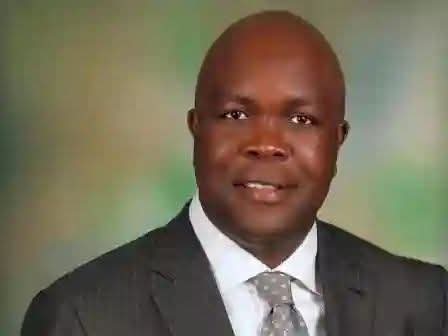
His early life mirrored that of many rural Kenyan children, but those who encountered him at Bungoma High School recall a different energy,an impatience with limits, a mind that seemed already oriented toward larger arenas.
His transition to Nairobi marked the beginning of a rapid and unconventional rise.
While briefly associated with Kenya Polytechnic, it was outside formal classrooms that Juma found his footing.
The capital’s intricate web of politics and business became his real education.
He built connections with influential figures, including former cabinet minister and former Nambale MP Chris Okemo and the late former Lugari MP Cyrus Jirongo, relationships that would accelerate his entry into high stakes networks of power.
It is within these circles that Juma would later be linked to early interactions involving President William Ruto when he was an MP for Eldoret North,a detail often cited in discussions about Kenya’s political evolution.
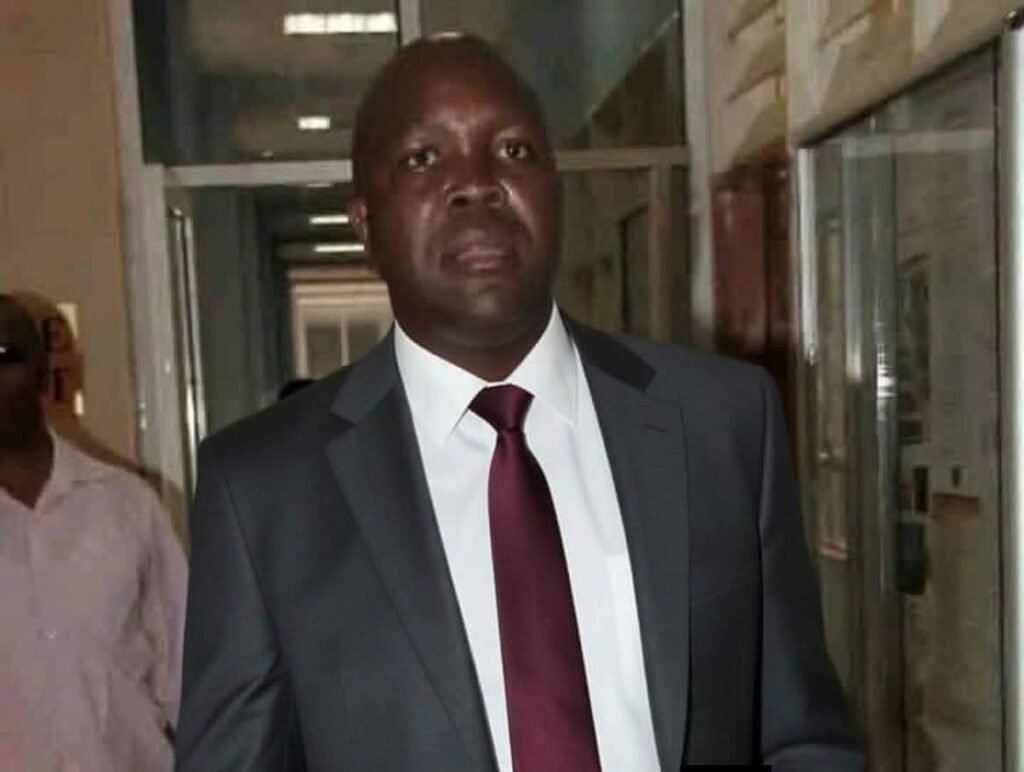
By his mid twenties, Juma had accumulated significant wealth, establishing himself as a bold and visible businessman.
His investments spanned real estate and infrastructure, most notably the development of King Business Park along Mombasa Road, and expansive properties in Karen and Bungoma, including his rural residence famously referred to as Mungore Palace.
He later pursued a Finance degree at the University of Nairobi, signaling an effort to formalize his understanding of the financial systems he had already penetrated.
His business career, however, was rarely separated from controversy.
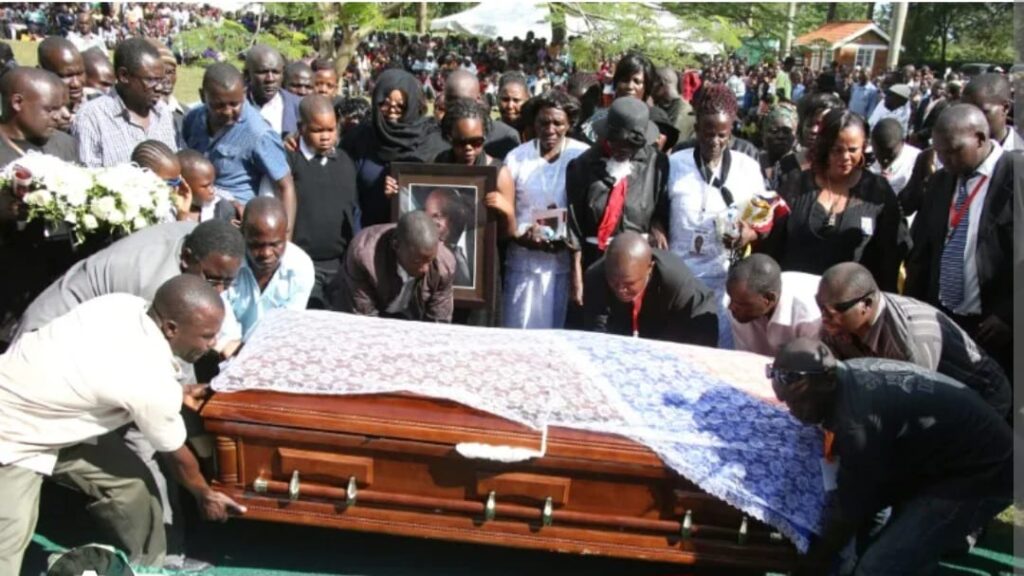
In 2005, he became embroiled in a high profile land dispute with Jennifer Jemutai Moi (the late President Daniel Arap Moi’s daughter), reflecting his growing proximity to politically sensitive economic interests.
Years later, his involvement with Cortec Mining Ltd over the Mrima Hills niobium project in Kwale County placed him at the center of one of Kenya’s most contentious resource battles.
After the government revoked the mining license, Juma publicly alleged corruption and refused to pay bribes,claims that would mark his transformation from insider to outspoken critic.
In his final years, Juma became increasingly vocal on social media, positioning himself as a whistleblower against alleged graft within government.
His posts frequently targeted senior officials in the government amplifying both his influence and the risks surrounding him.
He claimed his life was in danger, making repeated public appeals for protection,warnings that would later take on chilling significance.
On the night of April 5, 2016, Juma’s life came to a violent end.
He was shot dead along Ngong Road in Nairobi by unknown assailants in what investigators described as a targeted killing.
His vehicle was found sprayed with bullets, the precision of the attack suggesting planning and intent.
Despite investigations, including involvement by the Directorate of Criminal Investigations, no one has ever been conclusively held accountable for his murder.
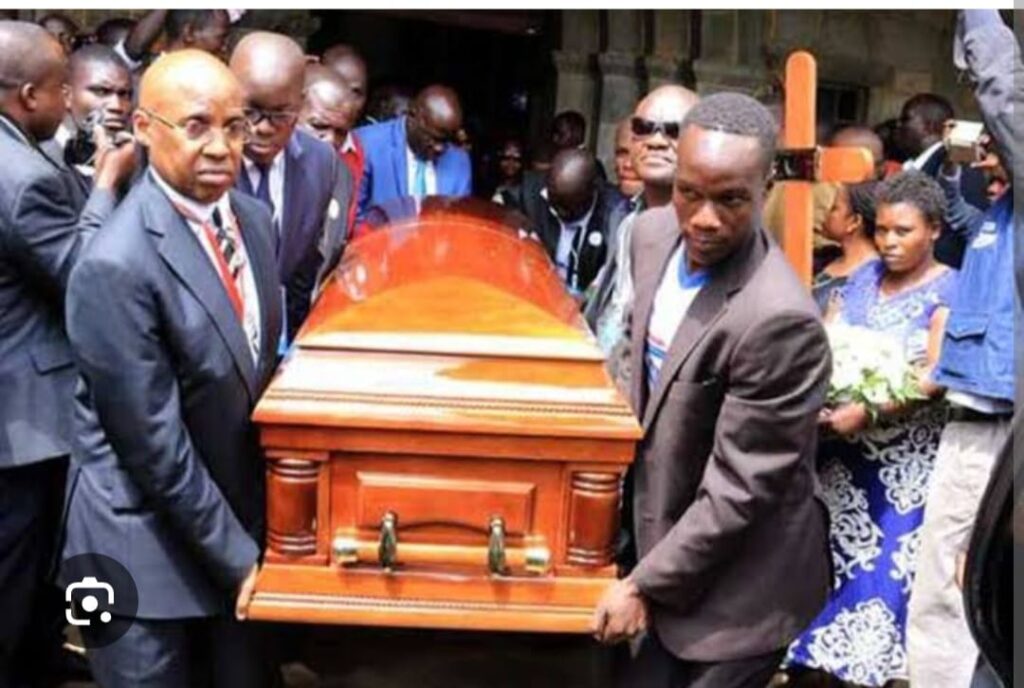
His death sparked national outrage, drawing attention to the dangers faced by outspoken figures operating at the intersection of business and politics.
In death, as in life, Juma remained a polarizing figure,viewed by some as a fearless anti-corruption crusader, and by others as a complex businessman entangled in the very systems he challenged.
Beyond the headlines, his personal life reflected a man of contradictions. Married to Miriam Wairimu,sister to Safina party leader and prominent businessman Jimmy Wanjigi with whom he had two children, Juma’s funeral revealed a broader, more complicated family network spanning multiple countries in East Africa an echo of both his influence and his excesses.
Today, the legacy of Jacob Juma endures as a cautionary tale and a symbol of defiance.
His life traced the arc of ambition in modern Kenya,from village beginnings to elite power circles and ultimately to a violent end that still demands answers.
A decade later, his story remains unfinished, suspended between what is known and what may never be revealed.
Want to be featured? or have a personality want to know about him or her:
📞WhatsApp: ±2540703633820,±254754168624
✉️ Email: dailynewskenya0@gmail.com
🗓️ [DNK-International@April
23,2026]