DNK International
 By Our Correspondent,Nairobi.
SPIRO has released its inaugural Sustainability Report, setting out the environmental, social and economic impact of its operations across Africa while committing to achieve net-zero Scope 1 and Scope 2 emissions by 2040.
The report establishes the company’s first sustainability baseline and outlines its performance across key areas, including climate action, workforce development, energy management, local manufacturing and economic inclusion.
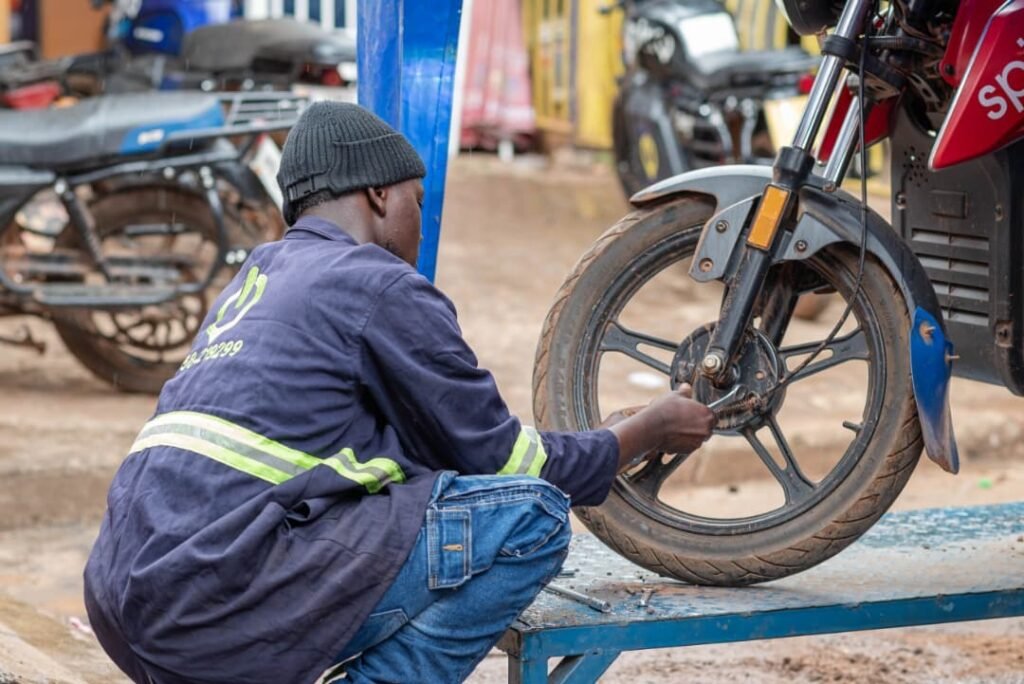
“This report reflects how far SPIRO has come, not only in terms of growth, but in our ability to measure and improve our impact. As we expand across Africa, sustainability will remain a core business driver, shaping how we invest, manufacture, innovate and partner for the long term,” said SPIRO Group Chief Executive Officer Anant Badjatya.
According to the report, SPIRO’s electric mobility ecosystem is projected to help avoid approximately 700,000 tonnes of carbon dioxide emissions annually by 2030 as the company continues expanding its footprint across the continent.
The company also completed its first end-to-end greenhouse gas inventory, covering Scope 1, Scope 2 and Scope 3 emissions across its operations and value chain.
“By establishing our first comprehensive ESG baseline, including Scope 1, 2 and 3 emissions, we are creating the foundations needed to track progress, set measurable targets and strengthen transparency as SPIRO continues to scale across Africa,” said Imtinen Hamlaoui, Head of ESG and Sustainability.
The report states that operational efficiency measures implemented at SPIRO’s assembly facilities have resulted in an estimated 15–25 per cent reduction in energy consumption.
It also highlights investments in skills development through the Spiro Academy, which trained more than 4,000 people across Africa in 2025 in electric vehicle maintenance, battery management and technical operations.
In addition, the report notes that commercial riders using SPIRO electric motorcycles reduce their operating costs by 70–80 per cent compared with petrol-powered alternatives.
Among its workforce inclusion initiatives, the company highlights the establishment of Africa’s first women electric motorcycle assembly line, aimed at expanding opportunities for women in the electric mobility sector.
“At SPIRO, our responsibility as founders is not only to scale innovation, but to ensure that the systems we build endure economically, socially and environmentally for generations to come,” said Gagan Gupta, Founder of SPIRO and Chairman of Equitane.

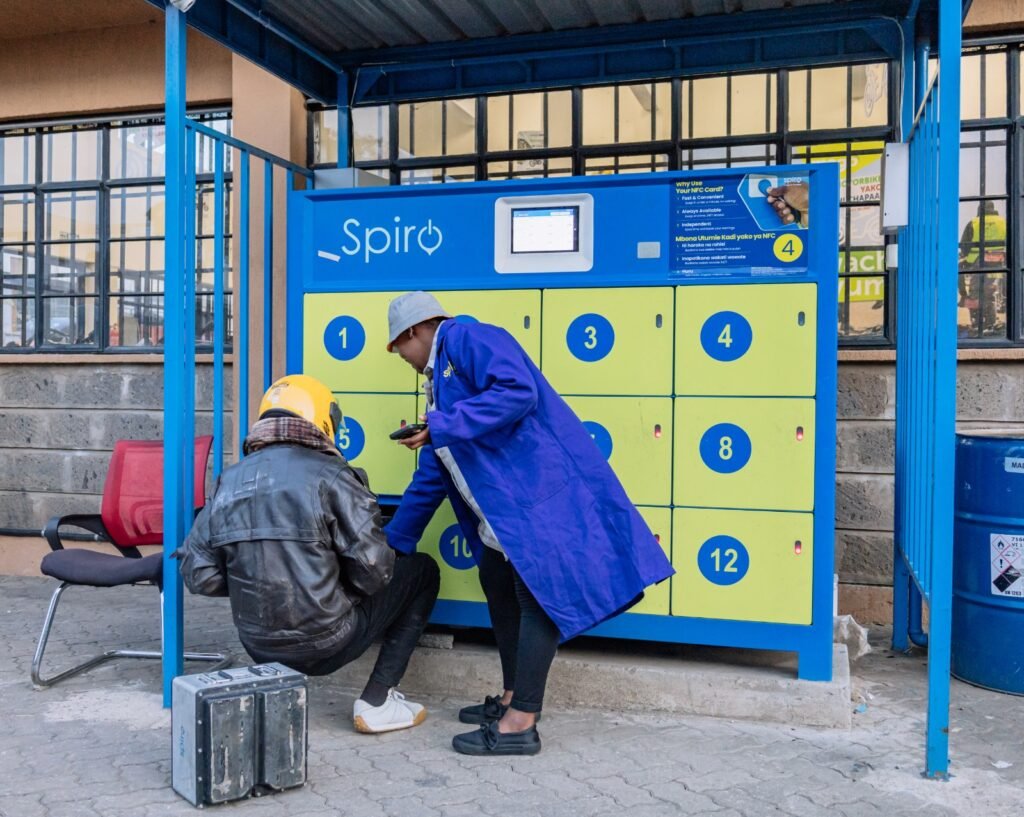
SPIRO currently operates in Kenya, Uganda, Rwanda, Nigeria, Benin and Togo. The company says it has more than 100,000 electric motorcycles on African roads, operates over 2,500 battery-swapping stations, and has completed more than 30 million battery swaps to date.
The company says the Sustainability Report will serve as the benchmark for measuring and reporting progress on its environmental, social and governance (ESG) commitments in the years ahead.
[DNK-International@July 22, 2026]