DNK International
 By Our Reporter,Kampala
For nearly 40 years, Janet Kainembabazi Kataaha Museveni has remained one of the most influential women in East African politics.
She has quietly but firmly stood beside Yoweri Museveni (Uganda President) through war, exile, political struggle and decades in power, earning a reputation as Uganda’s reserved but powerful First Lady.
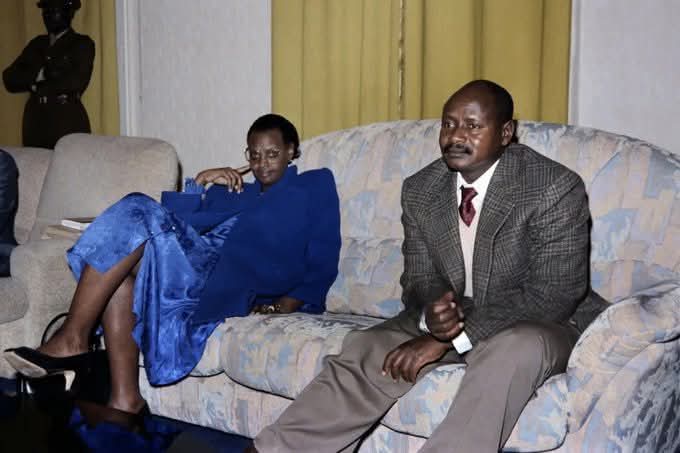
She was born Janet Kataaha on June 24, 1948, in Ntungamo District in western Uganda and was raised in a deeply religious family and spent part of her childhood in Tanzania after political instability forced many Ugandans into displacement during the turbulent post-independence years.
Her early years shaped the disciplined and deeply spiritual personality that would later define both her political and public life.
She studied at Makerere University where she earned a Bachelor’s Degree in Education before later pursuing a Diploma in Early Childhood Development and a Master’s Degree in Organizational Leadership and Management.
Before entering politics, Janet worked as a teacher and became heavily involved in Christian ministry and women empowerment programs, experiences that later helped build her image as a moral voice within government.
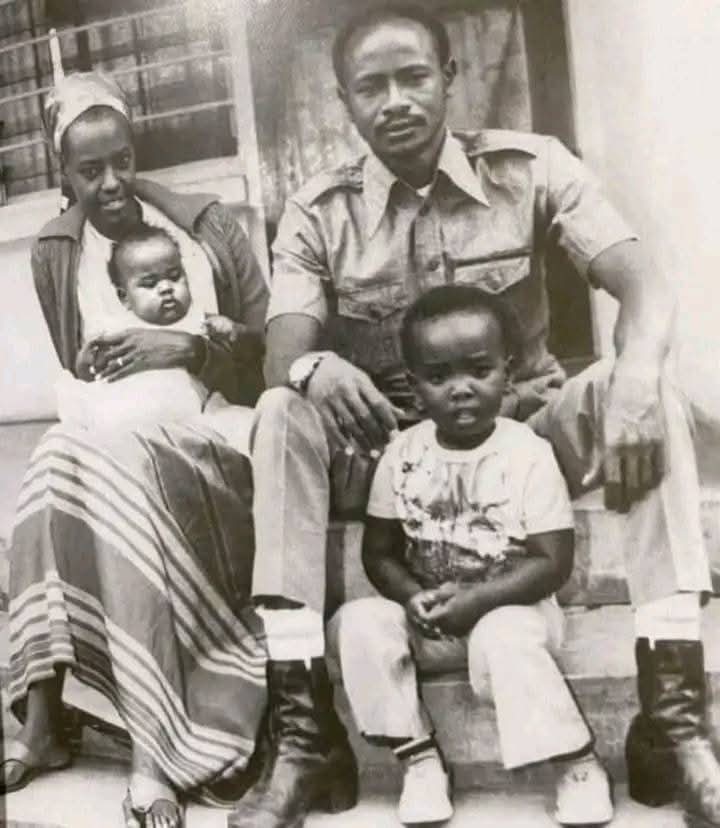
Janet met Museveni during the politically charged years of the late 1960’s and early 1970’s, eventually marrying him in 1973.
From sources close to the first family told DNK-International in Kampala that their marriage survived some of Uganda’s darkest political years, including exile during the rule of Idi Amin and later political unrest under Milton Obote’s government.
During these years, the Museveni family reportedly lived in exile in Tanzania, Kenya and at times Mozambique as Museveni organized political resistance movements against successive Ugandan governments.
While Museveni emerged publicly as the face of the armed struggle, Janet played a quieter but critical role behind the scenes by maintaining family stability, coordinating support networks, caring for displaced relatives and encouraging supporters connected to the resistance movement.
When Museveni launched the National Resistance Army guerrilla war in 1981, Janet became part of the trusted inner circle supporting the liberation struggle.
Historians and political analysts say she frequently visited bush war supporters, mobilized assistance for families affected by the conflict and remained one of Museveni’s most dependable advisers during the five-year rebellion that eventually brought him to power in January 1986.
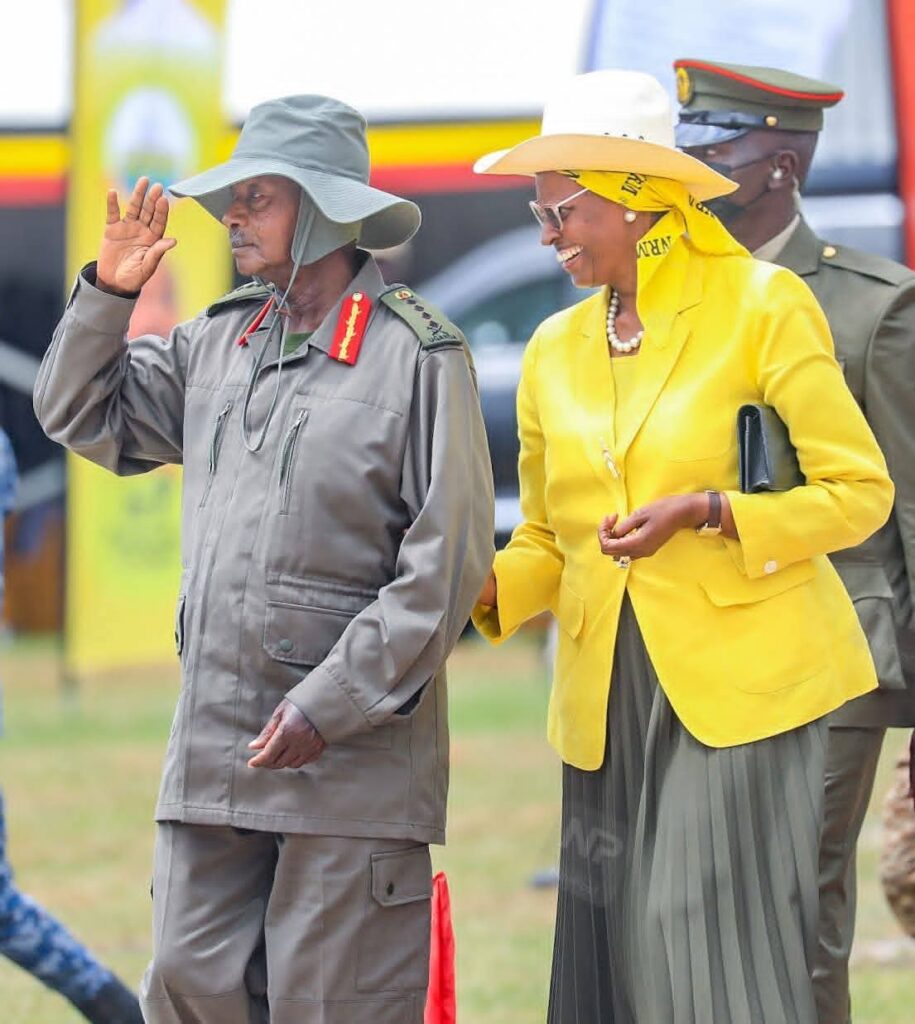
Since then, Janet has remained constantly visible beside the Ugandan leader at state functions, religious gatherings and international events, becoming one of the longest serving First Ladies in Africa.
Together, Janet and Museveni built one of Uganda’s most powerful political families.
They have four children: General Muhoozi Kainerugaba, Uganda’s Chief of Defence Forces and widely viewed as a possible future presidential candidate, Natasha Museveni Karugire, a lawyer and presidential adviser, Patience Museveni Rwabogo, a pastor and founder of Covenant Nations Church and Diana Museveni Kamuntu, who has largely remained outside frontline politics.
Through their children and close relatives, the Museveni family has grown into a powerful network spanning the military, business, religion and politics.
Although Janet spent years avoiding direct electoral politics, she officially entered Parliament in 2006 after successfully contesting the Ruhaama County seat.
Her move into active politics was viewed as a strategic attempt by the ruling National Resistance Movement (NRM) to strengthen support among women, churches and rural voters.
Her growing political influence later saw Museveni appoint her Minister for Karamoja Affairs in 2009, where she oversaw development and humanitarian programs in Uganda’s historically marginalized Karamoja region.
In 2016, she was elevated to the influential position of Minister of Education and Sports, placing her in charge of one of Uganda’s largest and most sensitive ministries.
Her appointment by her husband attracted both praise and criticism.
Supporters argued she had demonstrated leadership ability, integrity and administrative discipline, while critics accused Museveni of promoting family dominance within government institutions.
Despite the criticism, Janet cultivated a reputation as a calm and conservative leader focused on education reforms, girl child empowerment and moral values.
She repeatedly championed campaigns encouraging school retention for girls, discipline among youth and increased parental responsibility in education.
To many Ugandan women, Janet Museveni’s rise from village girl and teacher to First Lady and cabinet minister represents the growing role of women in African leadership.
Supporters describe her as proof that women can influence governance without abandoning family values or religious identity.
Her presence in high office has particularly inspired many girls from rural communities who view her educational and political journey as evidence that leadership opportunities are attainable through persistence and education.
Throughout her public life, Janet has delivered speeches that often blend religion, patriotism and family values.
One of her most quoted remarks has been her repeated call for Ugandans to “fear God, work hard and remain disciplined,” a message she has consistently delivered at schools, churches and national celebrations.
She has also strongly defended African cultural values, arguing that moral discipline and strong families are essential for national stability.
This week, however, the usually visible First Lady unexpectedly became the center of public speculation after she failed to appear during Museveni’s swearing-in ceremony held on Tuesday at Kololo Ceremonial Grounds in Kampala.
Her absence shocked many Ugandans because she has consistently attended her husband’s previous inaugurations and major state ceremonies since the 1980s.
Instead, Museveni arrived accompanied by daughter Natasha Museveni Karugire, immediately triggering widespread questions across Uganda and on social media about Janet’s health and whereabouts.
Reports from Ugandan media and religious leaders later suggested that Janet Museveni had recently been unwell, although no detailed official statement had been released by State House explaining her absence.
Several Pastors and public figures have openly prayed for her recovery during church services, reflecting the public attention her absence generated in a country where she has remained a constant figure at the president’s side for decades.
Even while absent from the historic ceremony, Janet Museveni’s political and symbolic influence remained impossible to ignore. After decades spent beside one of Africa’s longest serving presidents, she continues to embody loyalty, endurance and quiet authority within Uganda’s ruling establishment.
To supporters, she remains the disciplined mother figure of Uganda’s government, to critics, she symbolizes the deep entrenchment of the Museveni political dynasty.
But regardless of political opinion, Janet Museveni’s life story remains inseparable from Uganda’s modern history, a journey stretching from exile camps and liberation struggle to the center of state power for nearly four decades.
Want to be featured? or have a personality want to know about him or her:
📞WhatsApp: ±2540703633820,±254754168624
✉️ Email: dailynewskenya0@gmail.com
🗓️ [DNK-International@May 14,2026]